influencer marketing
Why Brands Are Replacing Influencers With AI Hosts
AI hosts are changing how brands market products by replacing traditional influencers with digital replicas.
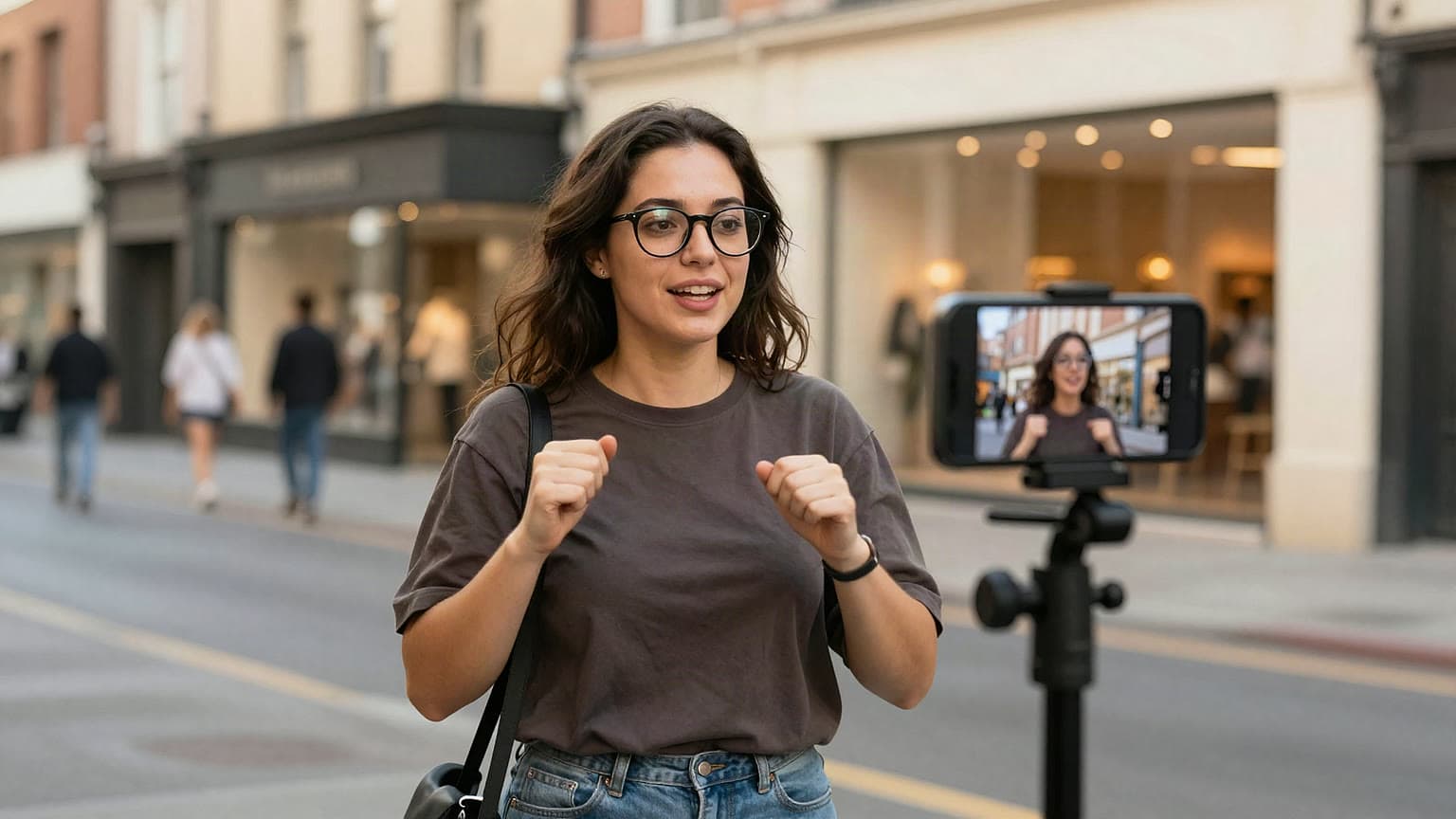
AI hosts are changing how brands market products by replacing traditional influencers with digital replicas. These AI-powered avatars, modeled after real-life creators, can create content, interact with audiences, and host live events · all while saving time and cutting costs.
Here’s why brands are making the switch:
For example, Nestlé reduced production costs by 70% after creating digital twins for 10,000 products, while H&M used AI hosts to streamline campaigns for global markets. Though some marketers weigh AI vs. human influencers regarding authenticity, AI hosts are proving to be efficient tools for scaling campaigns and engaging audiences.
The rise of AI hosts is reshaping influencer marketing by addressing long-standing challenges. Brands are finding that digital replicas offer distinct advantages in three key areas: producing more content, lowering costs, and expanding global reach. These benefits are transforming how companies approach campaigns and manage budgets.
AI hosts can work nonstop, producing content without the physical limitations of human influencers. A single digital file can be modified endlessly · showcasing different product designs, seasonal themes, or configurations · without the need for reshoots or new photoshoots.
Marc Bain from The Business of Fashion highlighted this efficiency, saying, "A model could be walking a runway in New York while her twin is used to create an e-commerce lookbook in Stockholm".
This kind of simultaneous presence is something human influencers simply can't achieve. While traditional influencers require rest, travel time, and careful scheduling, AI hosts act as "front-of-camera" tools, as Microsoft describes them, enabling brands to speed up content creation for catalogs and test creative ideas instantly · all without adding extra production costs.
Benefits of AI hosts Over Human Influencers
Endless Content Creation
The financial difference between human and AI influencers is striking. For example, a human influencer with over one million followers might charge $250,000 or more per post, while a leading virtual influencer like Lil Miquela charges closer to $9,000. Beyond fees, AI hosts eliminate costs like travel, logistics, and large production teams.
A great example is fashion retailer Mango, which launched a campaign in July 2024 featuring AI-generated avatars to promote a teen-focused collection. This approach allowed the brand to test creative ideas without the financial risks tied to expensive influencer contracts.
The numbers back up this strategy. Sponsored posts from virtual influencers generate 13.3% more engagement than their organic content, while human influencers typically experience a 2.1% drop in engagement for sponsored posts. In the fashion and beauty industries, virtual influencers’ paid posts saw even better results, with 16.3% higher engagement compared to their organic content.
AI hosts shine when it comes to creating localized influencer strategies at scale. They can easily adapt their appearance, language, and references to fit specific regional markets, eliminating the need for complex coordination and expensive multi-location shoots.
Reduced Costs and Higher ROI
Take Ralph & Russo’s 2020 couture collection, for instance. The British fashion house used "Hauli", a custom-designed Black virtual model, to showcase their designs. By digitally placing Hauli at iconic landmarks like the Taj Mahal and the Great Wall of China · locations that would be costly for physical shoots · the campaign reached 19.4 million views and achieved a media exposure value of $65.1 million.
Thanks to the flexibility of AI hosts, brands can create thousands of content variations from a single digital file. This capability enables personalized experiences like virtual try-ons and custom merchandise options. Achieving this level of customization with human influencers would require a massive budget and workforce.
AI hosts are reshaping the way brands interact with their audiences, moving beyond just generating content to creating meaningful, real-time connections. Whether it's through live shopping streams, product demos, or customer interactions, these digital counterparts are becoming essential tools for brands aiming to engage shoppers in innovative ways.
AI hosts bring a new level of efficiency to live shopping events by being available 24/7, across all time zones, without the need for breaks. Unlike human influencers who face physical limitations, these AI-powered hosts use conversational AI to interact naturally with viewers during live streams. They answer questions, engage audiences, and maintain a lively atmosphere throughout.
Tailored and Multilingual Content
One e-commerce apparel brand reported dramatically higher engagement during AI-driven live shopping streams compared to their campaigns featuring human influencers. James Rowdy, Founder of TwinTone, summed up the shift perfectly:
"The future of social commerce isn't bots, it's AI versions of real creators driving engagement, storytelling, and shopping".
AI hosts also adapt on the fly, communicating in over 36 languages and tailoring product recommendations based on audience sentiment. They maintain consistent energy during even the longest events and ensure that every interaction reflects the brand's values. This eliminates risks like off-brand comments or PR issues, which can sometimes arise with human hosts.
AI hosts excel at creating engaging product demonstrations that simplify the buying process. With just a single digital file, they can showcase thousands of product variations · whether it’s different colors, packaging, or configurations · without needing costly reshoots.

For example, a human influencer with over one million followers might charge $250,000 or more per post, while a leading virtual influencer like Lil Miquela charges closer to $9,000.
How AI hosts Improve Brand-Consumer Engagement
AI-Hosted Live Shopping Events
For example, in July 2025, Nestlé launched an AI-powered content service that transformed 4,000 products into digital models. This move cut production time and costs by an impressive 70%. Michele Fisher, Global Strategy Director at Microsoft, explained the impact:
"Digital twins for product images, videos, and interactive experiences simplify content workflows and allow you to generate endless product images or videos using a single digital twin".
These videos go far beyond static visuals. AI hosts can demonstrate how products work, answer common questions with pre-scripted responses, and even include clickable "sticky hotspots" for direct purchases within the video. This seamless integration of information and shopping reduces barriers to purchase, making it easier for consumers to go from interest to checkout in just a few clicks.
One of the standout benefits of AI hosts is their ability to deliver consistent messaging across all platforms and interactions. By adhering to predefined brand guidelines · such as approved logos, fonts, and color schemes · they ensure every touchpoint reflects the brand’s voice. This consistency is crucial, as research shows that consumers typically need to see a brand message at least seven times before making a purchase.
Shoppable Videos and Product Demos
A great example of this is H&M’s 2025 AI-generated campaign featuring model Vanessa Moody. The campaign maintained a unified and localized message across global markets, giving the brand complete control over its narrative. Achieving this level of consistency is far more challenging when working with human influencers spread across different time zones.
AI hosts are proving to be game-changers in maintaining brand integrity, delivering dynamic content, and connecting with consumers in ways that feel personal and engaging · all while staying true to the brand’s core identity.
Start by setting clear objectives for your campaign · whether it’s increasing engagement, driving more conversions, or scaling up your content production efforts. Pinpoint any bottlenecks in your workflow and define measurable metrics like ROI, engagement rates, or content output levels to assess success. Once your goals are set, dive into the platforms that can help you bring AI hosts to life.
One standout platform is TwinTone, which helps brands create AI hosts for user-generated content, livestreams, and social commerce. TwinTone transforms real creators into 24/7 content engines that maintain their original tone, style, and personality. These AI hosts can produce shoppable videos and product demonstrations on demand. Brands can even host AI-driven live shopping events on platforms like TikTok, Amazon, YouTube, and Shopify. With multilingual support in over 40 languages, TwinTone makes it easier to connect with audiences worldwide.
Consistent Brand Messaging
For marketing teams, TwinTone’s API access enables programmatic content creation across entire product catalogs. Built-in analytics tools also help track key metrics like engagement, conversions, and ROI. This approach addresses the growing need for scalable and engaging content discussed earlier.
Once your AI host is up and running, scaling your content becomes much easier. By integrating first- and third-party data from tools like your CDP, CRM, loyalty programs, or ad platforms (e.g., Meta, Google, TikTok), you can create detailed “memories” for the AI host. These memories help it understand customer preferences and behaviors, making its interactions more tailored and effective.
Nestlé offers a compelling example: in 2025, they used NVIDIA Omniverse to create 4,000 3D digital master products and plan to grow this number to 10,000 by 2027. This effort is expected to cut content scaling costs by 70%. David Rennie, Nestlé’s Head of Strategic Business Units, Marketing, and Sales, explained:
"Our new content organization means we can do more with the talented teams we have, leveraging their skills to produce high-quality, consistent, scalable content supported by AI digital assistants and digital twin technologies".
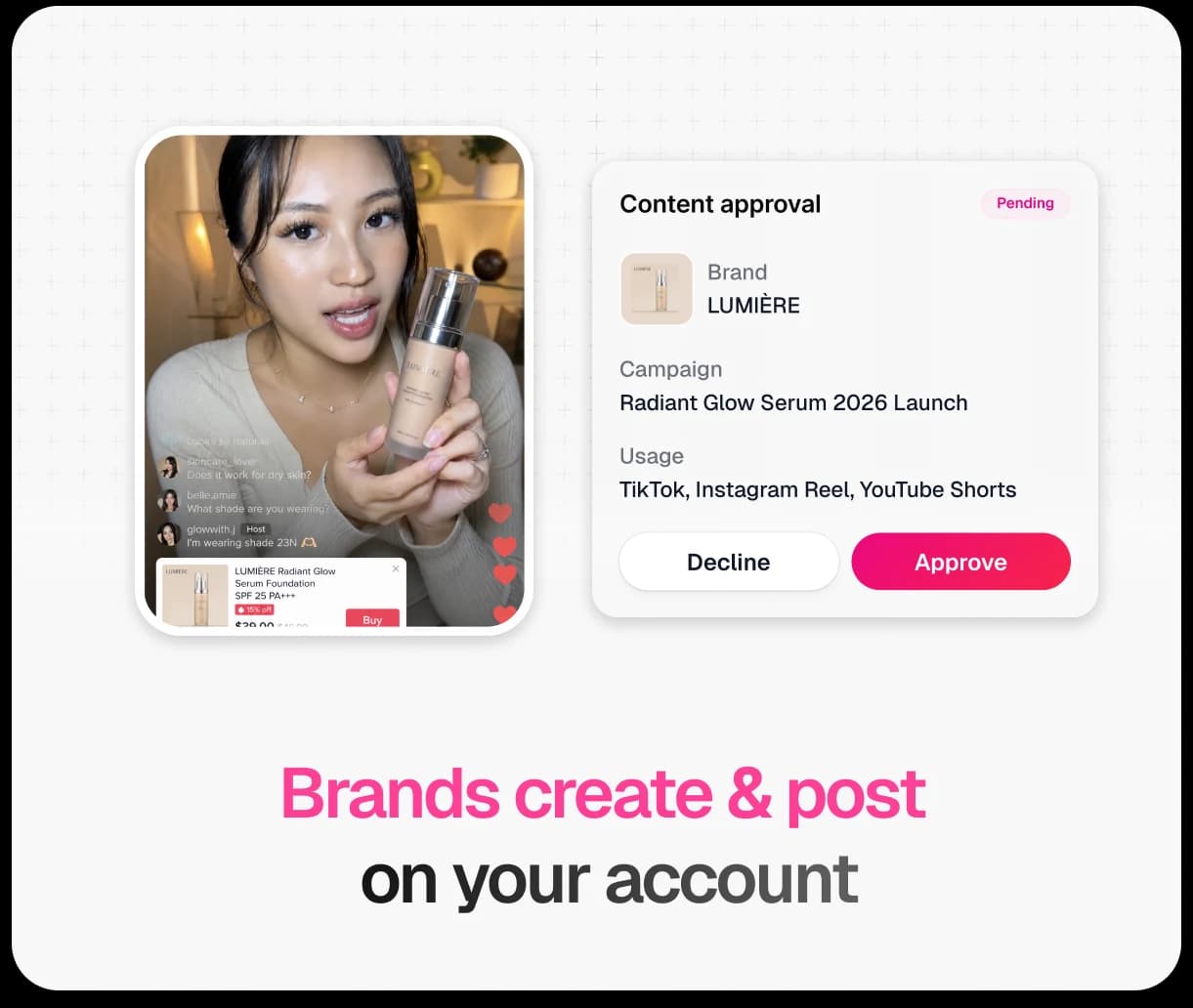
How to Use AI hosts in Your Marketing Campaigns
Platforms for Creating AI hosts
To get started, focus on high-value assets like your top-selling products to maximize returns. Use existing CAD files or product lifecycle management data to ensure technical accuracy in your content. Before scaling up, run a pilot campaign to test the system and identify any issues. Once the pipeline is fine-tuned, you can integrate it into a full-scale automated content production system. After scaling, the next step is measuring performance and refining your strategy.
After scaling your content, evaluate its impact by tracking key metrics. Measure engagement through likes, comments, and shares, while also monitoring reach via impressions and views. Conversion metrics like sales and sign-ups are essential for assessing the campaign’s effectiveness, much like you would with human influencers.
To measure direct traffic and sales attribution, use unique tracking links with UTM parameters and assign specific discount codes to each AI host campaign. Platforms like Instagram also provide publicly accessible engagement data, allowing you to benchmark performance.
Interestingly, paid posts by virtual influencers tend to generate 13.3% more engagement than their organic content. In contrast, sponsored posts by human influencers typically see a 2.1% drop in engagement compared to their organic posts. Additionally, 77% of enterprise teams using AI-driven campaigns report better outcomes compared to traditional methods.
Scaling Content Production with AI hosts
Beyond numbers, pay attention to audience sentiment. Analyze comments to understand how people feel about your AI persona and whether it’s building trust. Positive emojis and user commentary can be a good indicator of authenticity. Finally, keep improving by feeding campaign data back into your AI host system. This feedback loop allows the AI to refine its accuracy and performance over time.
AI hosts are reshaping how brands create content and connect with their audience. They tackle major hurdles like limited creator availability, high production costs, and the challenge of scaling personalized content. For example, Nestlé reduced content production costs by 70%, and virtual influencer-sponsored posts have been shown to generate 13.3% more engagement compared to their organic counterparts.
The key to success lies in combining AI hosts for repetitive, high-volume tasks with human creators for impactful, creative work. This mix delivers tangible results. In fact, 79% of marketers are expected to increase their investment in AI-generated creator content by 2025. AI hosts bring unmatched advantages, such as 24/7 availability, support for over 40 languages, and consistent messaging · without the risk of going off-brand or facing controversies.
For brands struggling with content bottlenecks, low ROI, or scaling issues, AI hosts offer a practical and efficient solution. Start small · experiment with product demos or shoppable videos · and expand as you see results. Transparency is key: always disclose AI-generated content to maintain audience trust. Brands that strategically combine AI capabilities with human creativity can produce more content, reach wider audiences, and achieve better outcomes than relying on either approach alone.
Tracking Performance and ROI
AI hosts stand out by being carefully crafted to mirror a brand's values, personality, and overall vibe. Unlike human influencers, who draw their authenticity from personal stories and experiences, AI hosts offer a steady and dependable presence that perfectly reflects the brand’s identity. This reliability helps establish trust and ensures that every campaign delivers a unified message.
Thanks to advanced technology, these digital personas can also create content tailored to individual tastes. By analyzing data and fine-tuning their interactions, AI hosts simulate genuine engagement and present messaging that resonates with consumers. While they may lack personal narratives, their ability to represent a brand’s essence and deliver customized experiences allows them to form meaningful connections with audiences.
AI hosts bring plenty of opportunities, but they also come with challenges that brands need to navigate carefully. One major issue is the risk of being seen as inauthentic. Some audiences might struggle to connect with AI-generated influencers, which could weaken trust and reduce engagement. Beyond that, ethical concerns come into play · think about the potential for job displacement among human professionals or the need for transparency about how AI is being used.
The regulatory side of things is another area to watch closely. Since laws and guidelines around AI hosts are still taking shape, brands could face hurdles related to consent, intellectual property rights, or disclosure requirements. Mishandling these issues could lead to legal trouble or public backlash. On top of that, poorly managed AI models might churn out inconsistent or even dull content, which could hurt a brand's reputation.

See an AI creator sell your products live
Connect your catalogue and go live in minutes · no studio, no crew.
Conclusion
How can AI hosts feel authentic compared to human influencers?
To get the most out of AI hosts, brands should focus on being transparent, ensuring content quality remains high, and addressing ethical concerns head-on. Doing so can help build trust with consumers while steering clear of potential pitfalls.
Start by clearly defining your core principles, tone, and visual identity · these elements form the foundation for designing and programming an AI host that genuinely represents your brand. Without this clarity, it’s easy for the AI to stray from your intended message or image.
Regular monitoring is key. This means consistently reviewing the AI host’s content and interactions to ensure it stays on-brand and avoids any misrepresentation. Quality checks aren’t just a one-time task · they should be part of an ongoing process.
Collaboration can also make a big difference. Working with creative teams, ethicists, or even experts in cultural nuances can help ensure your AI host resonates positively with your audience. These perspectives can catch potential issues before they arise.
What are the risks of using AI hosts in marketing campaigns?
Lastly, transparency is crucial. Let your audience know when and why you’re using AI hosts. Being open about their purpose not only builds trust but also reinforces your brand’s credibility. By combining these steps, you can align your AI host with your values while making the most of this cutting-edge technology.
- How Brands Are: Using AI hosts to Scale Influencer Marketing
- AI hosts for Businesses: Use Cases Beyond Influencer Marketing
- How: AI hosts Generate High-Converting UGC at Scale
How can brands make sure their AI hosts reflect their values?
- How: AI hosts Reduce UGC Production Costs
- AI hosts for Brand Partnerships: A New Model
- How: Brands Can License Creators Using AI
- AI-Driven Influencer Marketing Explained