Real-Time Analytics for Live Shopping Success
How to build a futureproof relationship with AI
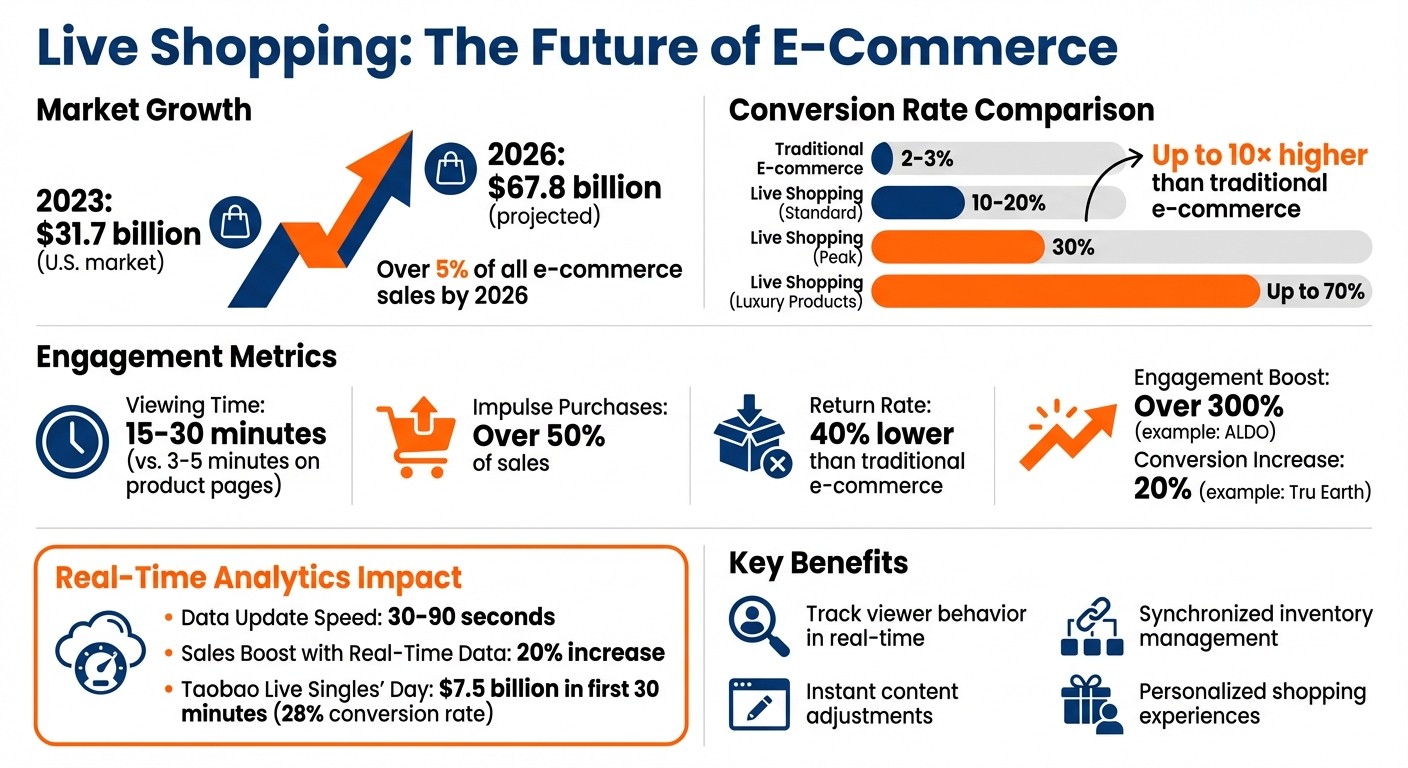
Live shopping is transforming online retail in the U.S., with projected growth from $31.7 billion in 2023 to $67.8 billion by 2026. Conversion rates in this space often reach 10–30%, far surpassing traditional e-commerce, and can climb as high as 70% for luxury products. But success hinges on one key factor: real-time analytics.
Without immediate access to live data, brands miss critical opportunities to boost sales, engage viewers, and manage inventory effectively. Real-time insights allow businesses to:
Track viewer behavior and engagement during live streams.
Respond instantly to audience cues by adjusting content or offering promotions.
Monitor and sync inventory to avoid overselling or stockouts.
For example, brands like Tru Earth and ALDO have seen conversion increases of 20% and engagement rates over 300% by leveraging real-time analytics during live events. Tools like TwinTone further enhance this process, enabling brands to optimize AI-powered livestreams and shoppable videos.
The takeaway? Real-time data is essential for capturing sales spikes, reducing return rates, and creating a seamless shopping experience during live events.
Live Shopping Growth and Performance Statistics 2023-2026
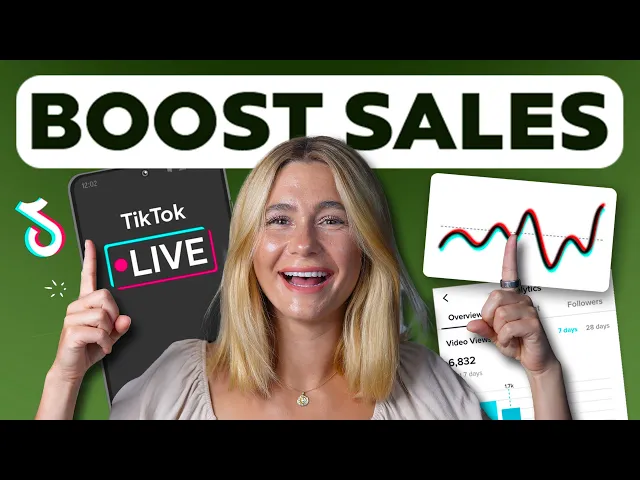
How to Run TikTok Live Shopping Events Step-by-Step (Boost Sales Fast)
Problems Brands Face in Live Shopping Without Real-Time Data
Without instant access to performance metrics, brands risk losing out on valuable sales opportunities. This not only affects revenue but also impacts customer satisfaction and operational efficiency. These challenges underscore the importance of real-time analytics in making live shopping a success.
Unpredictable Viewer Engagement
Live shopping typically holds viewer attention for 15–30 minutes - far longer than the 3–5 minutes people usually spend on product pages. This extended engagement window is perfect for capturing impulse purchases, which make up more than 50% of sales. However, without real-time monitoring, live hosts often miss important audience cues, like requests for product demonstrations or AI-driven recommendations. These missed signals can cost brands dearly, as real-time adjustments have been shown to boost sales by as much as 20%.
Delayed Conversion Tracking
On top of engagement challenges, slow conversion tracking can further disrupt a brand’s ability to adapt on the fly. When conversion data isn’t available immediately, brands lose the chance to capitalize on what’s working - or to fix what isn’t. As Adobe Analytics explains:
"Data pours in, and without some way to take advantage of it fast, it's easy to miss golden opportunities, or get a handle on a crisis before it's too late."
With live shopping conversion rates ranging from 10–20% - and even climbing to 30% for beauty products - a delay in responding to trends can mean missing out on key moments. Whether it’s promoting a hot-selling item or quickly resolving checkout glitches, timing is everything. This is where AI twins with emotion feedback can help by providing personalized, real-time interactions.
Inventory Mismatches and Stock Problems
Inventory issues add another layer of complexity to live shopping. With conversion rates reaching up to 30% - and even hitting 70% for luxury goods - brands need real-time inventory updates to avoid overselling. Delayed stock synchronization can lead to canceled orders, which damages trust with customers. This is especially critical given that live shopping buyers are 40% less likely to return items, making inventory accuracy a top priority.
As Admetrics notes:
"Real-time analytics keeps businesses informed about stock levels, minimizing the risk of overstocking or running out of popular items."
Without these tools, brands risk not only sales but also their reputation with customers.
How Real-Time Analytics Fixes Live Shopping Problems
Real-time analytics is changing the game for live shopping events by delivering data updates in as little as 30–90 seconds. This speed gives hosts and teams the power to react on the spot, instead of waiting hours - or even days - for insights to roll in.
Immediate Access to Viewer Behavior Data
With real-time dashboards, brands can see exactly how viewers are engaging. They can track which products are being clicked on, when items are added to carts, and how audiences are responding through comments and emojis. This kind of instant feedback reveals patterns that might otherwise slip under the radar. For instance, if a product demo suddenly causes a surge in add-to-cart actions, the host can quickly extend that segment or even offer a flash discount to boost sales.
Take the example of Tru Earth, an eco-friendly laundry brand. During a product launch event in August 2024, the team used real-time engagement data to monitor traffic and interactions. This helped co-founder Ryan McKenzie and his team achieve a 20% increase in conversions during the stream, making a significant impact on their daily revenue. These immediate insights allow brands to make tactical adjustments as the stream unfolds.
Live Decision-Making During Streams
Armed with real-time viewer data, brands can make quick, informed decisions during live streams. Whether it’s shifting focus to a popular product, launching a time-limited promotion, or tweaking prices, the ability to pivot instantly is a game-changer. If viewer engagement starts to drop at a certain point, teams can switch up the content or use strategies like countdown timers to create urgency and hold attention.
For example, Alibaba’s Taobao Live platform demonstrated the power of real-time analytics during Singles' Day 2020. The platform achieved a 28% conversion rate - up to 10 times higher than traditional e-commerce - during live sessions. This data-driven approach helped generate an impressive $7.5 billion in transaction value within the first 30 minutes of presales.
Research from the University of Houston and Tsinghua University backs this up, showing that streamers with access to real-time sales data boosted presale product sales by about 20% compared to those without it. Adobe’s Communications Team puts it best:
"Real-time analytics provides clear, actionable guidance for businesses when time is of the essence. Having critical insights at the right time is a huge advantage in making high-impact decisions."
Better Inventory Management
Real-time analytics also ensures inventory levels stay in sync with live sales, helping brands avoid overselling or running out of stock. Automated alerts can notify teams when a product is selling quickly, allowing them to restock or direct viewers to similar alternatives.
This level of precision is especially important in live shopping, where customers are 40% less likely to return items compared to traditional e-commerce. By accurately tracking stock in real time, brands can anticipate demand spikes and adjust logistics before problems arise. What sells during a live stream is likely to stay sold, making inventory management even more crucial.
Important Real-Time Metrics for Live Shopping
When it comes to live shopping, keeping an eye on key metrics is essential. These numbers help brands make quick, informed decisions that can boost both sales and audience engagement. While there’s plenty of data to consider, focusing on the most impactful metrics ensures your efforts are both effective and efficient.
Live Viewer Counts and Engagement Rates
Tracking how many people are tuning in and interacting with your stream is a great starting point. Reach tells you how many unique viewers are watching, while impressions show the total number of views, including repeat ones. A high impressions-to-reach ratio hints that viewers are coming back for more, which is always a good sign.
Engagement metrics like likes, comments, and shares are equally important. They reveal how engaged your audience is and can help you adjust in real time. For instance, if you notice a surge in comments during a product demo, it’s a clear sign that something about that product or its presentation is hitting the mark. These insights help you fine-tune your stream and keep viewers hooked.
Conversion Rates and Drop-Off Points
Conversion rates in live shopping often fall between 10% and 20%, but they can soar to as high as 70% for luxury products during live events. These rates show how effectively your stream turns viewers into buyers. At the same time, keeping tabs on drop-off points - moments when viewers leave the stream - can uncover areas for improvement. For example, if a lot of viewers tune out after 15 minutes, it might signal that your pacing needs work.
Barbara Kujawa, Content Manager at Monterail, puts it this way:
"By identifying these drop-off moments, you can adjust the pacing of your future live streaming shopping events, such as introducing new products earlier or adding interactive elements like polls and giveaways to re-engage viewers".
Spotting where viewers lose interest or where there’s a gap between "Checkouts Initiated" and actual purchases can help you address issues like a slow checkout process or less compelling product presentations.
Shoppable Click-Through Rates
Shoppable click-through rates are another key metric to watch. These rates show how many viewers are clicking on product links during the stream, giving you a sense of whether your presentation is inspiring action. Metrics like "LIVE product clicks", "Product page views", and "Adds to Cart" paint a clear picture of what’s working and what’s not.
If your click-through rates are lower than expected, it could mean your call-to-action isn’t compelling enough, or perhaps the product features being highlighted aren’t grabbing attention. Adjusting these elements on the fly can make all the difference in turning casual viewers into active shoppers.
TwinTone's Real-Time Analytics for AI Livestreams

TwinTone takes AI-powered livestreams to the next level by providing real-time analytics that help brands make immediate, data-driven decisions. With TwinTone, brands can monitor key performance metrics during every live session. This is especially impactful for 24/7 AI livestreams featuring creator AI Twins, where constant optimization can make a noticeable difference in engagement and outcomes. These instant insights set the stage for advanced tracking and effortless content integration, as detailed below.
Performance Tracking for Engagement and Conversions
TwinTone breaks down livestreams into 5-minute segments, making it easy for brands to link specific parts of the script - like product demos, key phrases, or talking points - with metrics such as viewer counts and conversions. On top of that, the platform tracks every viewer comment and interaction, analyzing sentiment to identify recurring questions or concerns. If particular issues keep coming up, brands can quickly adapt their FAQs or tweak response strategies to address them effectively.
Integration with Shoppable Videos and UGC
TwinTone’s analytics don’t stop at livestreams. They also work seamlessly with the platform’s broader social commerce features, including shoppable videos and user-generated content (UGC) created by AI Twins. Using the same analytics engine, brands can pinpoint which product presentations resonate most, identify the most engaging creator styles, and even determine the best moments to encourage cart additions. This unified approach makes it easier to spot trends and replicate successful tactics across all AI-driven content.
How to Scale Live Shopping with Real-Time Data
Scaling live shopping effectively hinges on making real-time decisions based on immediate data. The secret lies in transforming these insights into actionable steps - whether it’s tailoring what viewers see, tweaking content on the fly, or automating backend processes to ensure everything runs like clockwork. By using live data, businesses can fine-tune personalization, enhance engagement, and streamline operations.
Personalization During Live Streams
Real-time data opens the door to customizing the shopping experience as it happens. By analyzing viewer actions - like clicks, items added to the cart, location, or device type - you can deliver a tailored experience on the spot.
The payoff for personalization is hard to ignore. Companies that excel in this area see, on average, 40% more revenue than their competitors. And customers increasingly expect it: 71% want personalized interactions, while 76% feel frustrated when they aren’t delivered. Take Ruggable, for example. By leveraging real-time data to adjust landing pages based on the ad sources that brought in viewers, the brand achieved a 7× boost in click-through rates and a 25% jump in conversions. Similarly, Kraft-Heinz used geolocation-based personalization to display tailored homepage banners depending on users’ locations, leading to a 78% increase in conversions.
Timing is everything. Delivering personalization in under 100 milliseconds is crucial - any delay can harm the user experience. With the right infrastructure and a unified data source, businesses can see returns as high as $20 for every $1 spent on advanced personalization techniques.
But the benefits of real-time data don’t stop at personalization - it’s also a game-changer for engagement.
Improving Content and Engagement
Real-time analytics let you respond instantly to viewer feedback, whether it’s through comments, reactions, or live chat. If engagement starts to dip, you can pivot by changing the topic, introducing a flash deal, or addressing audience questions directly.
This dynamic interaction is what sets live shopping apart. Viewer participation - like comments and questions - creates a feedback loop that helps maintain impressive conversion rates, often reaching nearly 30%. That’s up to 10 times higher than traditional e-commerce. Plus, customers who shop via live streams are 40% less likely to return products compared to standard online shopping. A great example of this in action is The Vitamin Shoppe. By using Bloomreach to deliver personalized product recommendations within 0.1 seconds of a user’s action, they saw an 11% increase in the add-to-cart rate on their product category pages. Quick, data-driven adjustments can turn interest into immediate sales.
Inventory Automation
Keeping inventory in sync during live shopping events is critical, and automation makes it possible. As soon as a sale happens, inventory levels update across all channels, preventing overselling or frustrating "out-of-stock" issues.
Automation also allows you to set reorder points that trigger new purchase orders automatically when stock levels hit a certain threshold. This is especially valuable during high-traffic events where products can sell out in minutes. For instance, in December 2025, Starbucks Chief Technology Officer Deb Hall Lefevre shared how the company deployed NomadGo's Inventory AI across 11,000 locations. The system uses on-device AI and spatial vision to monitor stock levels and flag low-stock items in just minutes - 10× faster than manual methods and with 99% accuracy.
"In just minutes, it identifies what's available, flags low-stock items, and soon, will even automate restock orders. It's a farewell to manual tallies - and a hello to smarter, more seamless operations."
– Deb Hall Lefevre, Chief Technology Officer, Starbucks
Real-time tracking also helps identify anomalies like misplaced inventory, unexpected stock depletion, or shrinkage through pattern recognition. This level of visibility ensures live shopping events run smoothly, even during sudden spikes in demand.
Conclusion
Real-time analytics are proving to be a game-changer for live shopping, turning it into a powerful strategy for driving sales. By monitoring viewer behavior, engagement, and conversions as they happen, brands can make split-second adjustments that directly influence their bottom line. With conversion rates during live shopping events climbing to nearly 30% - up to 10 times higher than traditional e-commerce - and a noticeable drop in return rates, the advantages are clear.
The ability to act on data instantly is critical. Whether it’s highlighting a trending product based on live add-to-cart activity, tailoring offers for viewers showing high purchase intent, or managing inventory during sudden demand surges, real-time insights remove the delay between data collection and action. This immediacy can make all the difference in a competitive market.
As mentioned earlier, TwinTone brings this capability to life through AI-powered livestreams. By hosting 24/7 shoppable streams across platforms like TikTok, Amazon, YouTube, and Shopify, TwinTone allows brands to continuously track engagement and conversions. These real-time analytics seamlessly integrate with on-demand UGC videos and shoppable content, ensuring brands stay agile and responsive.
The live e-commerce market in the U.S. is expected to hit $67.8 billion by 2026, making up over 5% of all e-commerce sales. Brands that embrace real-time data - using it to personalize experiences, optimize content, and automate inventory - are setting themselves up for long-term growth. Ryan McKenzie, Co-founder of Tru Earth, experienced this firsthand, noting a 20% conversion boost during a product launch:
"The live shopping event contributed to a significant chunk of the revenue for the day".
Real-time analytics not only boost purchase confidence but also reduce returns and encourage loyalty. With tools like TwinTone, live shopping transforms into a scalable, revenue-driving channel. By leveraging these insights, brands can turn every live stream into a high-impact sales event.
FAQs
How can real-time analytics help increase conversion rates during live shopping events?
Real-time analytics give live shopping hosts the ability to make on-the-spot changes, like tweaking offers or customizing the experience to better align with their audience’s preferences. This flexibility can lead to a noticeable increase in engagement and conversions - often boosting rates by around 15% compared to using just historical data. In fact, some live shopping events see conversion rates climb as high as 30%, highlighting how timely insights can directly influence shopper behavior and decisions.
What metrics should I monitor to measure the success of a live shopping event?
To measure how well your live shopping event performs, keep an eye on key metrics like Gross Merchandise Value (GMV), Average Order Value (AOV), and conversion rate. These numbers reveal how your sales are doing and offer a glimpse into customer purchasing habits.
You’ll also want to track engagement rate, viewership, and click-through rate to see how much your audience is interacting and showing interest. Pay attention to live video views and product clicks as well - these can highlight which products and content are grabbing your audience's attention. By reviewing these metrics in real time, you can make quick, informed tweaks to improve your event’s performance.
How does real-time data improve inventory management during live shopping events?
Real-time data gives live shopping hosts instant access to the latest inventory updates. This means they can avoid overselling, restock products quickly when needed, and even swap out items effortlessly during a livestream. With this level of awareness, hosts can create a smoother shopping experience while building and maintaining customer trust.