Cultural Differences in Live Shopping Fans
How to build a futureproof relationship with AI
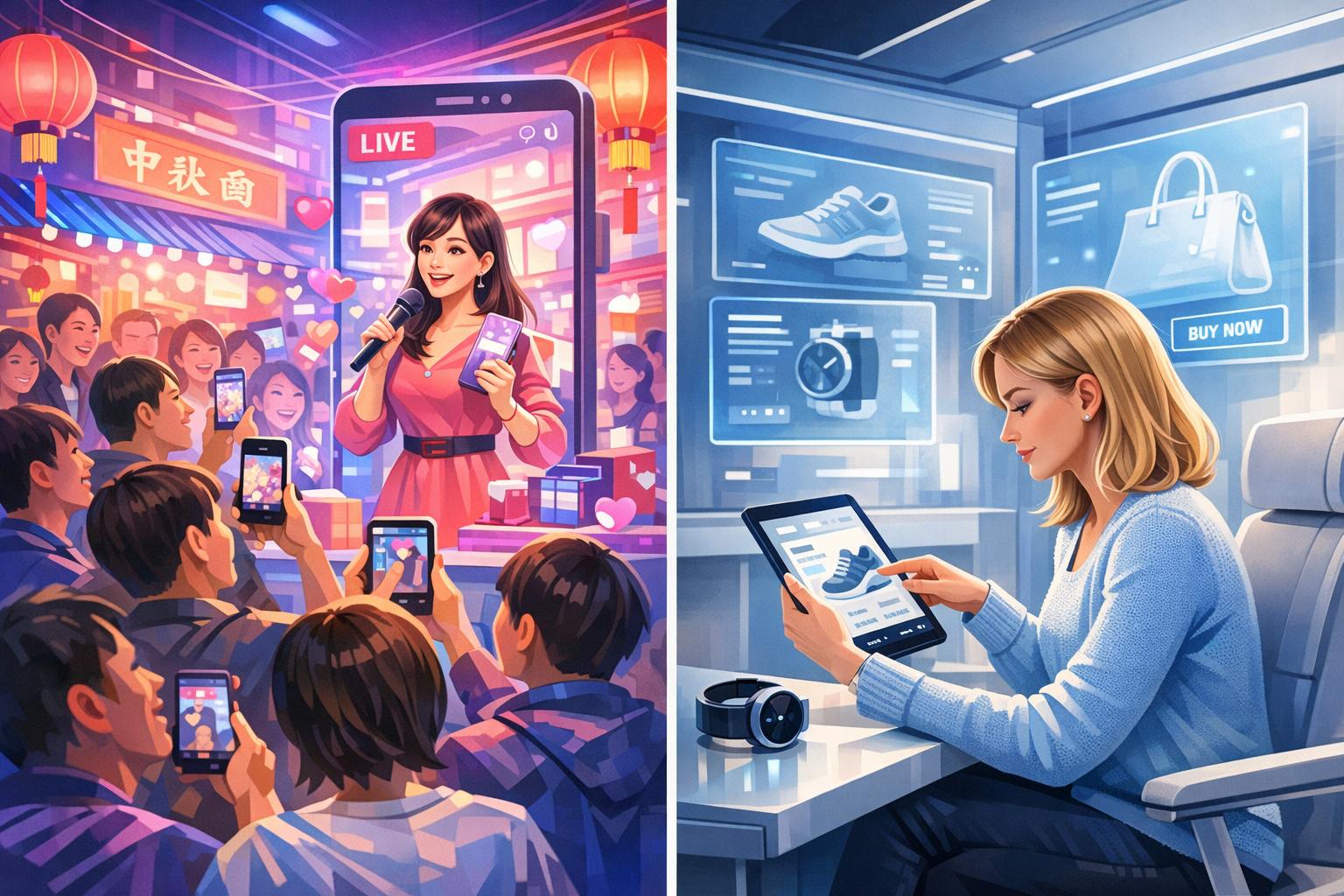
Live shopping works differently worldwide because people shop based on their cultural norms. For example, in China, live shopping is a massive industry, generating $514 billion in 2022. Shoppers there trust individual streamers, who act as community leaders, influencing group decisions. In the U.S., live shopping is growing but focuses more on individual needs, product utility, and general online trust rather than relying on streamers.
Key differences include:
China: Group-focused, trust in streamers, high interactivity, and impulse buying driven by social dynamics.
U.S.: Individual-focused, trust in platforms, preference for detailed product info, and less spontaneous purchases.
Understanding these behaviors helps brands tailor their live shopping strategies effectively for each audience. This includes leveraging AI sync for live shopping streams to maintain engagement across different time zones and regions.
Why is live commerce so successful in China but not in the west?
How Individualism and Collectivism Affect Fan Behavior
When it comes to live shopping, one of the biggest cultural divides lies in individualism versus collectivism - influencing why and how people make purchasing decisions. This difference between focusing on personal gain versus group endorsement plays a key role in shaping behaviors. In individualistic societies like the United States, shopping is all about personal benefits. Shoppers ask themselves: "Does this product solve my problem? Does it make my life easier?" Their decisions are driven by personal preferences, not by what others think.
In contrast, collectivist cultures like China approach shopping differently. Here, people see themselves as part of a larger community, where maintaining harmony and aligning with group values often outweighs individual desires. Instead of just asking, "Do I want this?" they consider, "What are others buying? What does my community value?" This is where the concept of "Guanxi" - or social bonds - becomes crucial. Chinese consumers often form parasocial relationships with streamers, viewing them as trusted community leaders. When a streamer they respect recommends a product, it feels like a personal endorsement from someone within their social circle.
Individualistic Cultures: Personal Utility Comes First
In the U.S., live shopping fans are focused on utility. Research reveals that general online trust - trust in strangers and internet content - plays a much bigger role in how American shoppers evaluate a product's practical benefits compared to those in collectivist cultures. They want livestreams to provide real-time demonstrations that confirm a product's value and help avoid buyer’s remorse.
"Main differences included the stronger influence of general online trust on utilitarian attitudes in the US versus the stronger influence of trust in streamers on both utilitarian and hedonic attitudes in China." - Shaowen Ni and Hideo Ueichi, Researchers
American shoppers also turn to live shopping for novelty and variety. They enjoy the entertainment, the chance to discover new products, and the opportunity for personal expression. For these fans, livestreams are a way to stand out and find products that align with their individuality. To cater to this audience, brands can use AI Twins to highlight clear value propositions and deliver diverse, engaging content that keeps viewers interested.
Collectivist Cultures: Social Influence Drives Decisions
On the flip side, in collectivist markets, peer observation and social presence are what drive decisions. Chinese shoppers pay close attention to what others in the livestream are doing - watching likes, reactions, and purchases to guide their own choices. The size of the audience also matters. A large, active group creates a sense of enjoyment, connection, and belonging.
Consider the case of Luo Yonghao, founder of smartphone maker Smartisan. In April 2020, during the height of the COVID-19 pandemic, he hosted his first shopping livestream in China. The result? He drew in 48 million viewers and generated $15.5 million in sales in just one session. Another example is Denggao Chen, the mayor of Yanglin Town in Hunan Province. In May 2020, Chen live-streamed to promote local organic pomelos. Despite not being a professional celebrity, his use of the local dialect and authentic demeanor resonated with viewers, leading to 2,500 products selling out in just 90 minutes. These examples highlight how authenticity and community connection often matter more than polished presentations in collectivist cultures.
For brands targeting collectivist audiences, the focus should shift from individual benefits to fostering group-buying incentives and building a sense of community. Streamers’ social bonds with their audiences become a key asset. AI tools tailored for these markets should emphasize belonging, encourage social interaction, and present themselves as trusted members of the community rather than just sales-driven platforms.
These cultural differences lay the groundwork for exploring other aspects of live shopping, such as how people respond to uncertainty, power dynamics, and short- versus long-term buying preferences.
How Uncertainty Avoidance Affects Impulse Purchases
Uncertainty avoidance plays a crucial role in shaping how AI groups live shopping fans by behavior, particularly when it comes to impulse buying. This concept refers to how comfortable people are with ambiguity and risk. While some cultures thrive on spontaneity and quick decisions, others prefer a more cautious approach, requiring solid information before making a purchase. These cultural tendencies heavily influence shopping habits during livestreams.
Low Uncertainty Avoidance: Spontaneity and Quick Decisions
In cultures with low uncertainty avoidance, like the United States, shoppers are more at ease making decisions without much information. For instance, over 87% of American consumers admit to making impulse purchases, spending an average of $314 per month on such buys in 2022 - up from $276 the previous year. These buyers often rely on a general sense of trust in online platforms and digital transactions, skipping detailed research about hosts or products.
Live shopping thrives in these environments because of its fast-paced, entertaining nature. Charismatic hosts can spark excitement and urgency, often leveraging the "fear of missing out" (FOMO) to drive sales.
"I don't understand why I wanted to purchase the product within the first 30s, and I was even worried that it was out of stock", said a Taobao Live customer.
A great example comes from Maybelline's live shopping event featuring celebrity host Angelababy. By demonstrating products in real time, the brand sold 10,600 lipsticks - a figure ten times its daily average. This showcases how spontaneity and emotional appeal can yield impressive results in low uncertainty avoidance cultures.
High Uncertainty Avoidance: Thoughtful and Risk-Averse Buying
In contrast, cultures with high uncertainty avoidance, such as China and Japan, approach live shopping with caution. For these audiences, impulse buying often feels risky, and live shopping becomes a way to minimize uncertainty and avoid regret. A report by the China Consumer Association found that 44.1% of consumers believe impulsive buying is a major issue in live e-commerce.
Shoppers in these cultures focus on evaluating the host's expertise and trustworthiness rather than relying on emotional triggers. They prefer detailed product demonstrations and authenticity to reduce perceived risks. In this setting, the host transitions from being an entertainer to acting as a knowledgeable guide, carefully curating products and delivering thorough explanations.
Cultural factors also play a role. For example, China's "Zhong Yong tendency" (Doctrine of the Mean) encourages balanced, long-term thinking, which helps shoppers weigh the costs and benefits of a purchase rather than giving in to immediate desires. Brands looking to connect with these audiences should prioritize providing detailed product information, showcasing the host's credentials, and allowing time for questions to build trust and confidence in their offerings. Creators can also use multilingual AI chatbots to provide these detailed explanations to a global audience.
Power Distance and Streamer-Fan Relationships
Power distance plays a key role in shaping how livestream hosts and their audiences interact. In cultures that value hierarchy, hosts are often seen as trusted authorities, simplifying decisions for their fans. On the other hand, in societies with a more egalitarian outlook, fans prefer casual, peer-like interactions that emphasize equality. These dynamics influence both how trust is built and how purchasing decisions are made, complementing earlier discussions on individualism, collectivism, and uncertainty avoidance.
High Power Distance: Hosts as Authority Figures
In cultures with high power distance, such as China, livestream hosts often hold the status of key opinion leaders. Their expertise and authority make them credible sources for recommendations, allowing fans to rely on them to curate products and simplify choices. This dynamic not only enhances trust but also shapes how fans perceive the value and enjoyment of the products being promoted.
Real-world examples highlight this influence. Lei Jun’s livestream for Xiaomi attracted a staggering 50 million viewers and generated $30 million in sales. Similarly, in May 2020, Denggao Chen, the Mayor of Yanglin Town in Hunan Province, sold 2,500 organic products in just 90 minutes during a livestream. His position as a government official lent him the authority and trust that resonated deeply with his audience.
Interestingly, even unconventional hosts can thrive in such cultures by focusing on authenticity and local expertise. For example, a farmer livestreaming directly from the fields can establish credibility through their firsthand knowledge and direct connection to the product’s origin.
Low Power Distance: Casual, Peer-Like Interactions
In low power distance cultures like the United States, fans approach hosts as equals. Instead of viewing them as authoritative figures, American audiences prefer a more relaxed, relatable style of interaction. Here, the host becomes less of an expert and more of a companion, creating a shopping experience that feels interactive and empowering. This evolution is further enhanced by AI Twins and emotion feedback that personalize these real-time interactions. Fans in these settings often rely on platform security, customer reviews, and the overall credibility of the online ecosystem to guide their decisions.
This preference for egalitarian relationships means that livestream hosts in the U.S. are expected to engage in spontaneous, conversational exchanges. Rather than focusing solely on expertise, they act as entertaining guides, making the shopping experience fun and approachable for their viewers.
Short-term vs Long-term Orientation in Shopping Patterns
The way people approach live shopping often reflects their cultural attitudes toward time. While some cultures lean toward instant gratification, others place greater value on building lasting connections. These differences shape how fans engage with live shopping events, how quickly they make purchases, and whether they return for more. A clear contrast can be seen in the shopping habits of Western and Chinese audiences.
Short-term Orientation: The Appeal of Instant Gratification
In Western countries, live shopping thrives on the allure of immediate rewards. Flash sales, countdown timers, and limited-time offers are powerful triggers for impulsive buying. Many Western shoppers tune into live shopping events for entertainment and the promise of discounts. However, while these strategies drive initial interest, they don't always lead to instant purchases. In the U.S., for example, only 40% to 54% of viewers complete their purchases during a livestream, with many opting to finalize their orders later on the brand's website.
Long-term Orientation: Trust and Loyalty Take Center Stage
In China, live shopping is less about one-off deals and more about fostering relationships. This is increasingly supported by AI messaging platforms for 24/7 interaction, which help maintain engagement between live sessions. A striking 87% of surveyed Chinese consumers participate in live shopping events at least once a month, compared to just 43% in the U.S.. While better prices (61%) and convenience (64%) are key motivators, trust in the streamer hosting the event plays a pivotal role in driving sales.
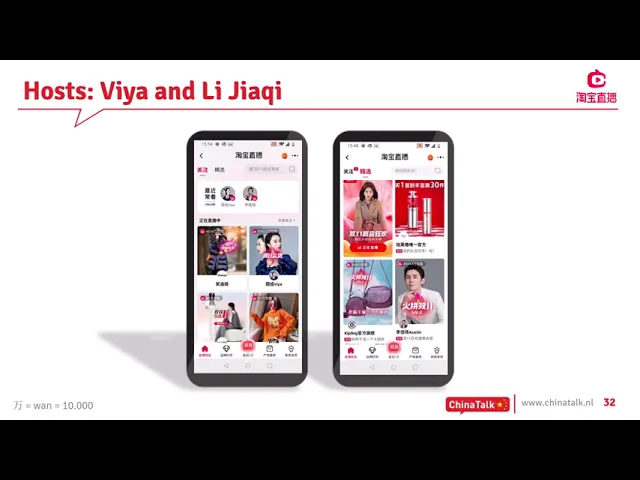
This trust often translates into immediate action. Nearly all frequent Chinese live shopping participants make purchases during the event, especially for products like groceries and beauty items. A vivid example of this loyalty was seen during the Singles Day promotion in October 2020, when top streamers Viya and Austin Li sold an astounding $158 million worth of products in just 24 hours to nearly 300 million viewers.
Interestingly, while frequent Chinese shoppers spend less per session ($82 to $90) compared to their U.S. counterparts ($127 to $197), their consistent purchasing habits reflect a deeper, long-term engagement. This pattern highlights how trust in streamers and a focus on lasting relationships create a foundation for sustained consumer loyalty.
US vs Chinese Live Shopping Fan Behavior
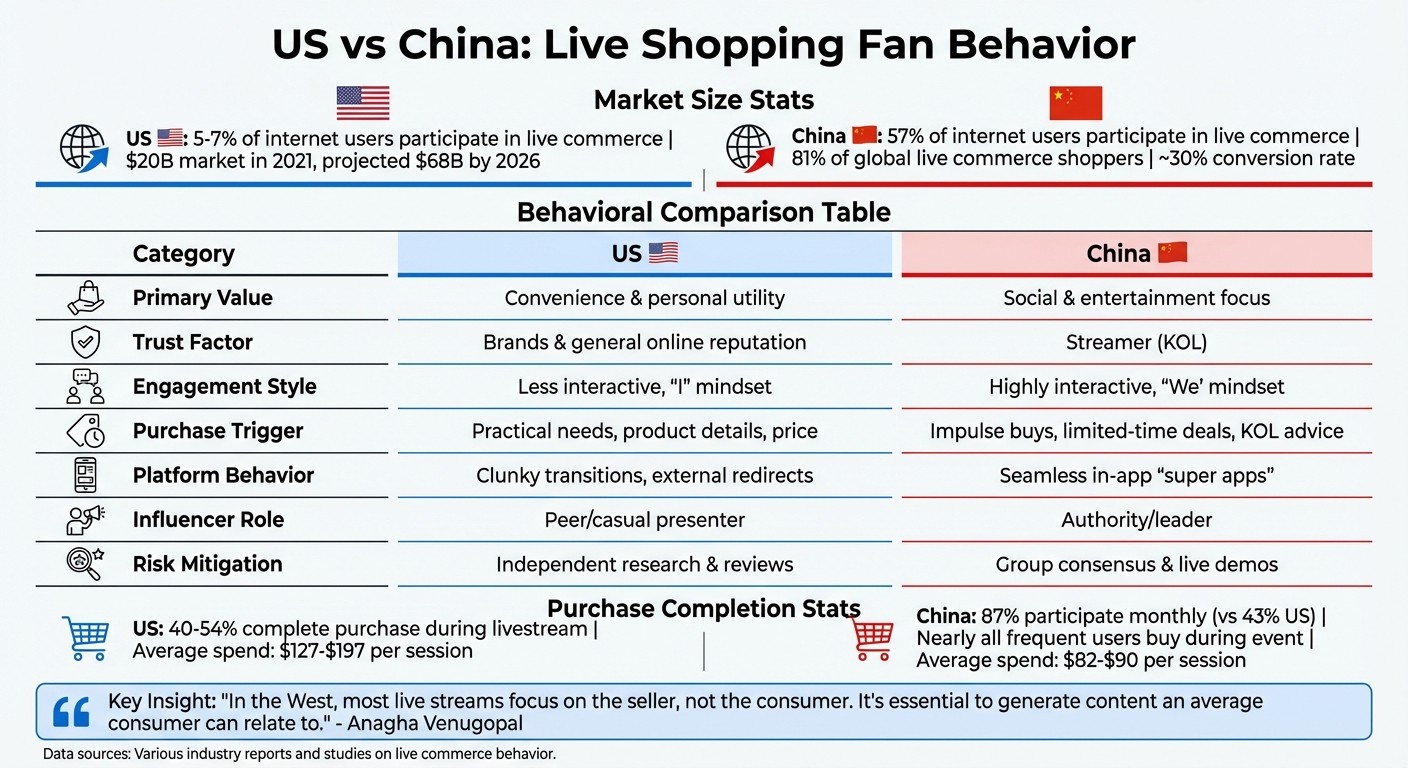
US vs China Live Shopping Fan Behavior: Key Cultural Differences
Live shopping fans in the US and China approach the experience with vastly different motivations, trust levels, and buying habits. While both markets are active in live commerce, their behaviors reflect unique cultural dynamics. For brands aiming to succeed in either region, understanding these differences is critical.
In China, about 57% of internet users participate in live commerce, compared to just 5-7% in the US. Even more striking, China's live commerce boasts conversion rates close to 30%, far outpacing traditional e-commerce benchmarks. Globally, China dominates the live shopping scene, accounting for 81% of live commerce shoppers, compared to the global average of 46%. These numbers highlight the stark contrast in how each market engages with live shopping.
"In the West, most live streams focus on the seller, not the consumer. It's essential to generate content an average consumer can relate to." - Anagha Venugopal, Author
Behavioral Comparison Table
Feature | Chinese Live Shopping Fans | US Live Shopping Fans |
|---|---|---|
Primary Value | Social and entertainment focus | Convenience and personal utility |
Trust Factor | Relies on the streamer (KOL) | Trust in brands and general online reputation |
Engagement Style | Highly interactive; communal "We" mindset | Less interactive; individualistic "I" mindset |
Purchase Trigger | Impulse buys, limited-time deals, advice from KOLs | Practical needs, product details, and price |
Platform Behavior | Seamless in-app experience via "super apps" | Clunky transitions; often redirected to external sites |
Influencer Role | Seen as an authority or leader (High Power Distance) | Viewed as a peer or casual presenter |
Risk Mitigation | Relies on group consensus and live demonstrations | Prefers independent research and reviews |
These differences also influence sales outcomes. For example, Walmart hosted around 150 live-streaming events in 2022 through the TalkShopLive platform, yet US retailers are still working to close the engagement gap with their Chinese counterparts. This contrast underscores the need for tailored strategies to resonate with each audience.
Adapting Live Shopping Strategies for Different Cultures
Tailoring live shopping strategies to fit local cultures is crucial for success. In individualistic markets like the US, the focus should be on high-quality information and seamless platform performance. Shoppers in these markets value clear product details, smooth checkout processes, and demonstrations that justify their personal buying decisions. Here, the platform itself acts as a trust factor - any technical issues or clunky interfaces can quickly deter potential buyers.
On the other hand, in collectivist markets, the streamer plays a much more central role. For instance, Chinese consumers are highly influenced by "scene authenticity" - livestreams set in farms, kitchens, or factories that visually confirm product quality. This approach works because it reduces the psychological distance between the product and the buyer while minimizing perceived risks. Brands in these markets should prioritize features like community-building tools, group-buying options, and authentic backdrops that foster a sense of togetherness.
For cultures with high uncertainty avoidance, brands should focus on using expert hosts who can address technical questions in real time and provide thorough product demonstrations. These audiences value knowledgeable presenters who position livestreams as a "smart shopping" solution, helping eliminate buyer's remorse through expert guidance and curation.
To effectively implement these culturally tailored strategies, technology plays a pivotal role. The US livestreaming market alone is expected to grow from $20 billion in 2021 to $68 billion by 2026. Meeting this demand requires solutions that ensure round-the-clock engagement without overburdening human hosts. Platforms like TwinTone's AI Twins offer brands the ability to run continuous, culturally-adapted livestreams across multiple markets at the same time. With support for 40+ languages, these AI tools can adjust tone, interaction style, and content delivery to match the audience's preferences - whether they lean toward casual, peer-like conversations or authoritative, expert-led guidance. Plus, they maintain the authentic creator personality that builds trust and drives conversions.
A one-size-fits-all approach simply won’t work in global live shopping. Brands that invest in understanding cultural differences and utilize tools to scale personalized, culturally relevant content will be best positioned to seize the immense opportunities in this growing market.
FAQs
How do cultural differences shape live shopping experiences in China and the U.S.?
Cultural norms heavily influence how live shopping takes shape in China versus the U.S. In China, live shopping thrives as a social experience, where shoppers enjoy the sense of connection fostered by engaging hosts and large, interactive audiences. This collective approach has fueled its explosive growth, with live shopping pulling in an estimated $300 billion in sales in 2021. Chinese consumers also tend to trust influencers, especially those with substantial followings, as they look for a mix of entertainment and practical advice during livestreams.
On the other hand, U.S. shoppers focus more on personal convenience and often approach sales pitches with skepticism. While some Americans appreciate live shopping, its adoption has been slower, partly due to cultural preferences and the absence of standout hosts capable of building deep loyalty. As a result, live shopping in the U.S. hasn’t yet reached the same level of popularity as it has in China.
How do cultural differences influence fan behavior during live shopping events?
Cultural differences, especially when it comes to individualism versus collectivism, play a huge role in how fans interact with live shopping events. In countries like the United States, where individualism is highly valued, viewers tend to focus on personal gain, self-expression, and independence. They’re drawn to content that speaks directly to their needs, offers exclusive perks, or celebrates personal achievements.
On the other hand, in collectivist cultures like China or Japan, the emphasis shifts to community, trust within groups, and shared experiences. These audiences respond more strongly to messages that highlight group benefits, societal value, or a sense of belonging. For instance, promotions like group discounts or features that encourage community engagement are particularly appealing to these viewers.
Platforms such as TwinTone can leverage these cultural dynamics by customizing their AI-powered creators. For U.S. audiences, the focus might be on individual-driven messaging, while for collectivist markets, the content could center around community and shared benefits. This tailored approach helps ensure the content connects with the unique motivations behind each audience’s shopping behavior.
How can brands adjust their live shopping strategies to fit different cultural preferences?
To thrive in live shopping, brands need to align their strategies with the values that shape how different audiences shop and connect. For U.S. shoppers, the emphasis should be on personal benefits - think convenience, straightforward product demonstrations, limited-time deals, and an easy checkout process that caters to individual preferences. Meanwhile, in markets like China and Japan, the focus shifts to community-driven experiences. Here, interactive elements like games, group activities, and compelling storytelling resonate more deeply.
To make these adjustments work, brands should:
Localize visuals and language: Use U.S. dollars ($), month-day-year date formats, and imperial units (like inches, pounds, and Fahrenheit) when targeting American audiences.
Adapt hosting styles: For U.S. viewers, a direct, product-focused approach works best. In contrast, Asian audiences respond better to socially engaging hosts who foster a sense of connection.
Leverage AI tools: Platforms like TwinTone can help create culturally tailored livestreams and shoppable videos on demand. These tools ensure that content feels purpose-built for each audience while staying true to the brand's identity.
By tailoring these elements, brands can create live shopping experiences that resonate with diverse audiences worldwide.