UGC
How UGC is like running Facebook ads in 2012
User-generated content (UGC) in 2026 is what Facebook ads were in 2012: a low-cost, high-return opportunity for marketers.
User-generated content (UGC) in 2026 is what Facebook ads were in 2012: a low-cost, high-return opportunity for marketers. Back in 2012, Facebook ads offered minimal competition, high engagement, and strong returns. Today, UGC delivers similar results, with 4x higher click-through rates and 50% lower cost-per-click compared to other ad formats.
Why does UGC work so well? People trust it. 92% of consumers prefer UGC or word-of-mouth recommendations over branded ads. It feels relatable and genuine, making it highly effective for influencing purchasing decisions.
With tools like TwinTone, brands can now scale UGC faster using AI, creating lifelike videos in 40+ languages and running interactive, shoppable livestreams. Just like early Facebook ads, UGC offers a rare chance to get ahead before the market becomes crowded.
The question is: will you act now or let competitors take the lead?
Back in 2012, Facebook ads were incredibly affordable. With 95 million unique visitors and Facebook becoming the go-to website based on time spent online, brands could connect with massive audiences without breaking the bank. The low cost of entry meant advertisers could test different strategies and content without significant financial risk.
One of Facebook's standout features was how seamlessly ads blended into users' feeds. A simple "like" could turn a marketing message into something that felt like a natural part of a user’s social experience. These ads didn’t feel intrusive, which led to higher engagement rates and better returns on investment. This combination of affordability and user-friendly ad placement gave early advertisers a major edge.
Another big factor? The competition was minimal. Many businesses were still focused on traditional advertising channels like TV, radio, and print, leaving social media relatively untapped. Even though the percentage of companies using social media for marketing had jumped from 42% in 2008 to 88% by 2012, many were still figuring out how to make the most of these platforms.
What Made Facebook Ads in 2012 So Profitable
Low Costs and High Returns in 2012
This lack of competition created a golden opportunity for brands willing to dive in early. They could scale their campaigns without facing the high costs of bidding wars. As Scott Cook, Co-founder of Intuit, put it:
"A brand is no longer what we tell the consumer it is – it is what consumers tell each other it is."
Facebook’s interactive features allowed marketers to build real connections with their audience - something traditional advertising just couldn’t replicate.
The stats from 2012 paint a clear picture of Facebook's potential. At the time, 19% of tweets were about brands, signaling a growing trend of consumers engaging directly with companies on social media. This enthusiasm carried over to Facebook, which stood out as the leading platform.
The combination of massive reach and limited competition gave brands the chance to achieve impressive results at a fraction of the cost of traditional advertising. What made this period unique was the organic nature of user engagement. Unlike later years, when polished, professional content began dominating the space - making up nearly two-thirds of ad revenue by 2016 - 2012 was still a time when authenticity mattered most. Brands that focused on genuine interactions turned customers into loyal advocates, creating shareable moments that amplified their message.
Limited Competition and Early Adopter Benefits
Facebook Ads 2012 vs UGC 2026: Performance Metrics Comparison
User-generated content (UGC) in 2026 offers brands the same cost-saving potential that made Facebook ads a goldmine in 2012. Instead of sinking money into expensive photoshoots, full-time creators, or high-production campaigns, brands are embracing a more streamlined and efficient creative process by using a UGC content idea generator.
The payoff? Ads based on UGC deliver 4x higher click-through rates while slashing cost-per-click by 50% compared to traditional advertisements. Campaigns using UGC also boast a 29% higher web conversion rate than those that don’t incorporate it. This budget-friendly strategy not only drives better returns but also opens the door to stronger connections with consumers.
In short, low costs paired with authentic content create a winning formula for both engagement and profitability.
Numbers aside, the real magic of UGC lies in its authenticity. By 2026, consumers are becoming more wary of AI-generated content and are drawn to material that feels genuine and relatable. Unlike polished studio images, UGC captures the raw, unfiltered experiences of everyday life, helping potential buyers envision how products fit into their own routines.
At the time, 19% of tweets were about brands, signaling a growing trend of consumers engaging directly with companies on social media.
Why UGC in 2026 Offers the Same Opportunity
How Authenticity Drives Better Engagement
Brands that embrace this approach often see massive returns. Take Apple’s #ShotOniPhone campaign, for example. Launched in 2015, it’s still going strong a decade later. By 2022, it had inspired over 500,000 tagged photos on Instagram, addressing concerns about mobile camera quality with visual proof straight from users. Similarly, GoPro’s Awards program encourages community submissions, and their top three user-generated videos have racked up a combined 400 million views on YouTube.
To truly scale UGC, it needs to be integrated at every stage of the customer journey. Here’s how it can work:
Performance Comparison: Facebook Ads 2012 vs. UGC 2026
Retention Stage: Advanced user guides and success stories from the community help maintain loyalty and encourage repeat purchases.
One of UGC’s biggest advantages is its flexibility. A single video can be repurposed in countless ways - add new music, tweak the voiceover, or even use AI tools to swap backgrounds and create lifelike narrations. This ability to stretch a single piece of content across multiple platforms and formats is a game-changer, making UGC far more scalable than traditional content.
The table below highlights why UGC consistently outshines traditional advertising across critical metrics:
- 4x higher than traditional ads
- High ($500–$10,000+ per shoot)
- Awareness StageUnboxing videos create eye-catching introductions to your brand, while social media takeovers leverage influencers’ audiences to reach new people without the high costs of traditional ads.
- Consideration StageTutorials and how-to videos address potential objections and demonstrate ease of use. Peer reviews are especially impactful here - products with at least five reviews are 270% more likely to be purchased than those without any.
- Decision StageBehind-the-scenes content adds a personal touch, building trust and even justifying premium pricing. Post-purchase testimonials help ease any lingering doubts.
How to Scale UGC Like Early Facebook Ads
Building Trust to Drive Growth
These numbers tell the story: UGC in 2026 is shaping up to be what Facebook ads were in 2012 - a golden opportunity for early adopters. The performance metrics are clear, and the market hasn’t yet reached saturation. For brands willing to act now, the potential for impact is enormous, just like it was for those who embraced Facebook advertising over a decade ago.
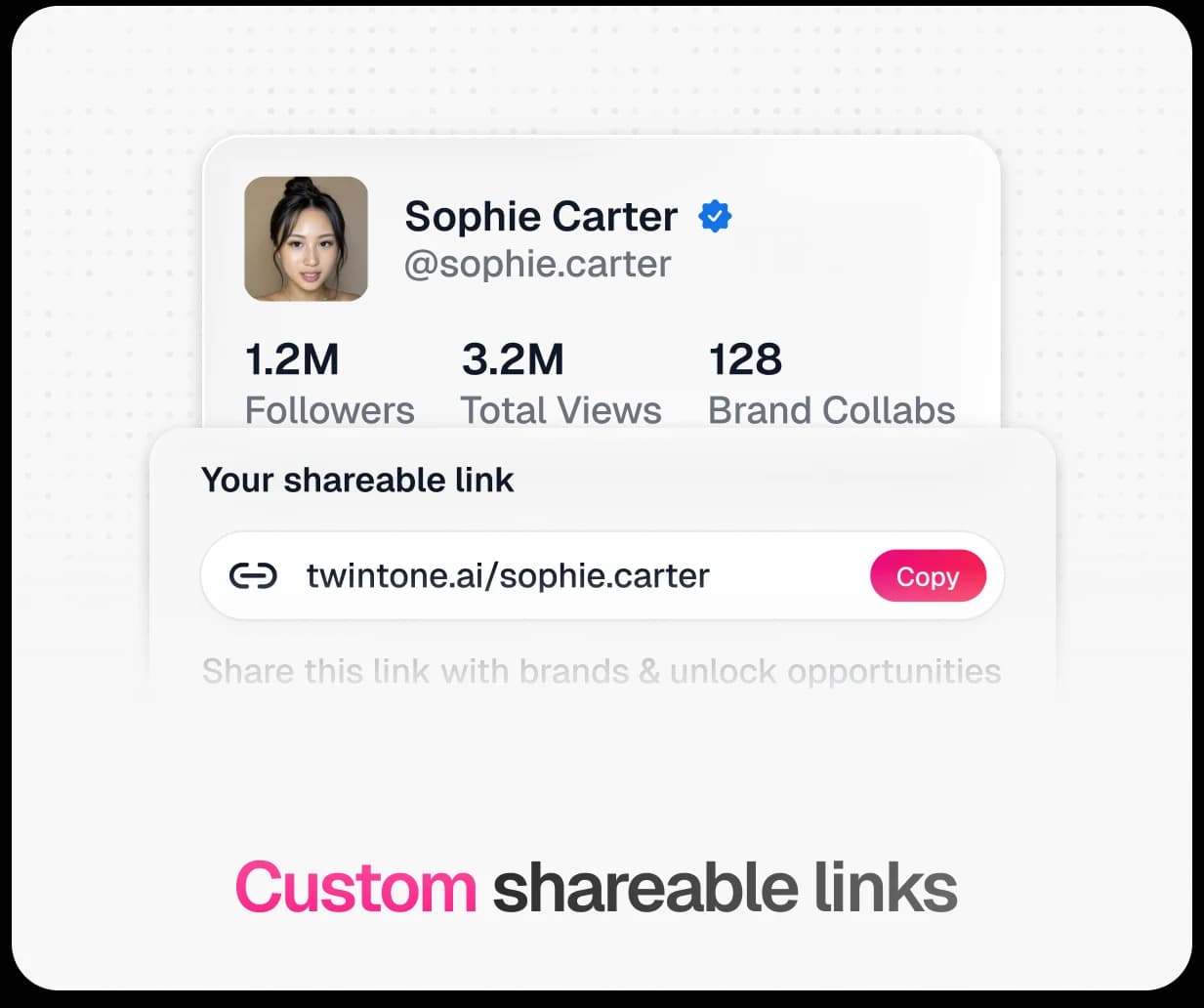
TwinTone takes user-generated content (UGC) to the next level by transforming creators into AI Twins that produce UGC videos on demand - no manual outreach or scheduling required. Here’s how TwinTone is reshaping UGC creation, offering a level of efficiency reminiscent of the early days of Facebook ads.
TwinTone's platform creates UGC videos that mirror the unique voice, style, and personality of real creators. Here’s how it works: brands provide product details, and TwinTone generates videos that feel personal and relatable. These AI Twins reflect the original creator’s tone and mannerisms, giving the content a peer-to-peer feel that drives engagement and trust.
Using UGC Across the Marketing Funnel
This approach significantly reduces production costs. TwinTone offers three subscription plans:
- Starter Plan ($110/month): Includes 10 AI-generated UGC videos featuring creator avatars and multilingual options.
- Pro Plan ($220/month): Provides 20 videos with advanced voice styles and lifelike gestures.
- Enterprise Plan: Delivers 50+ videos monthly, featuring premium creator avatars and priority support.
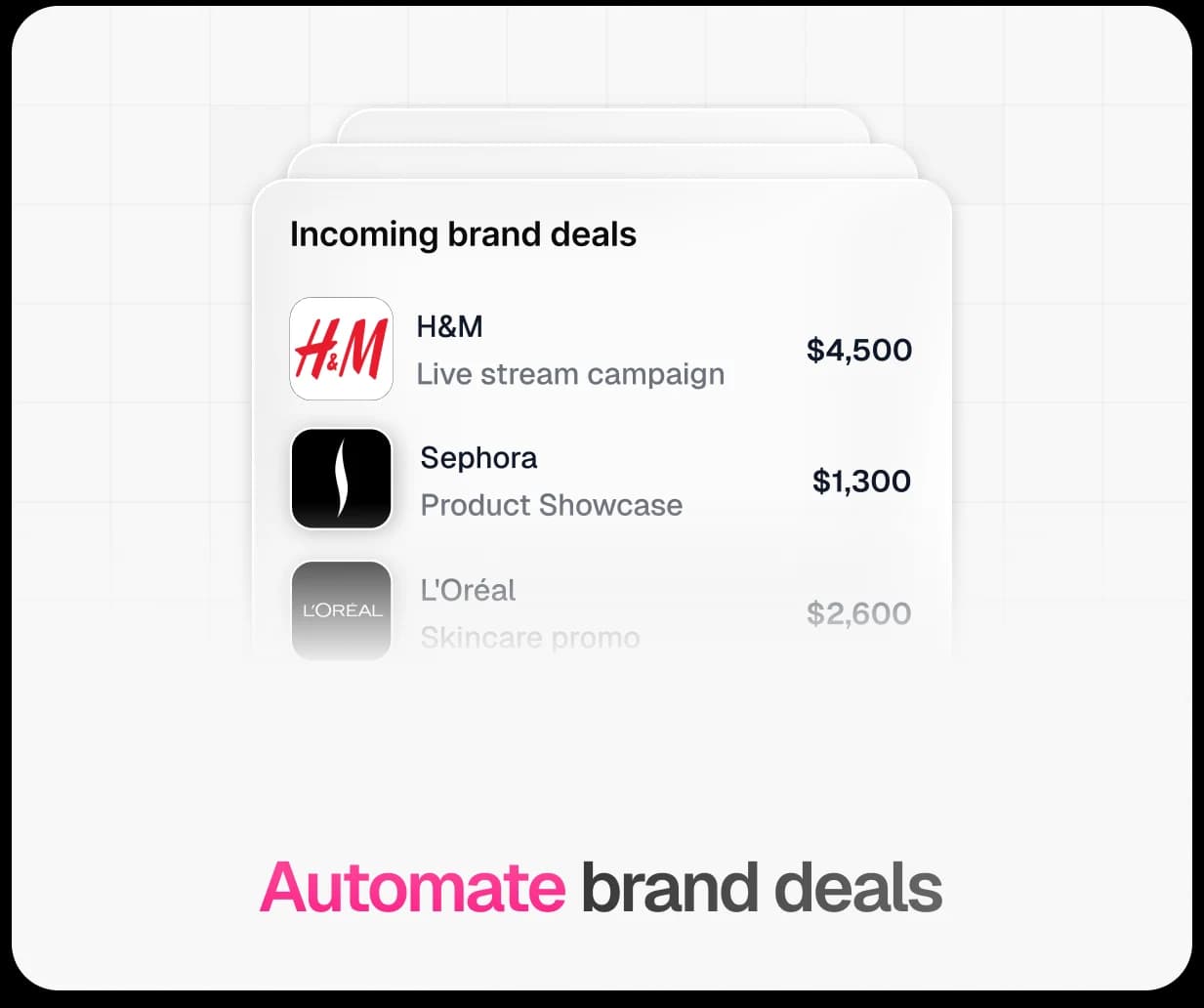
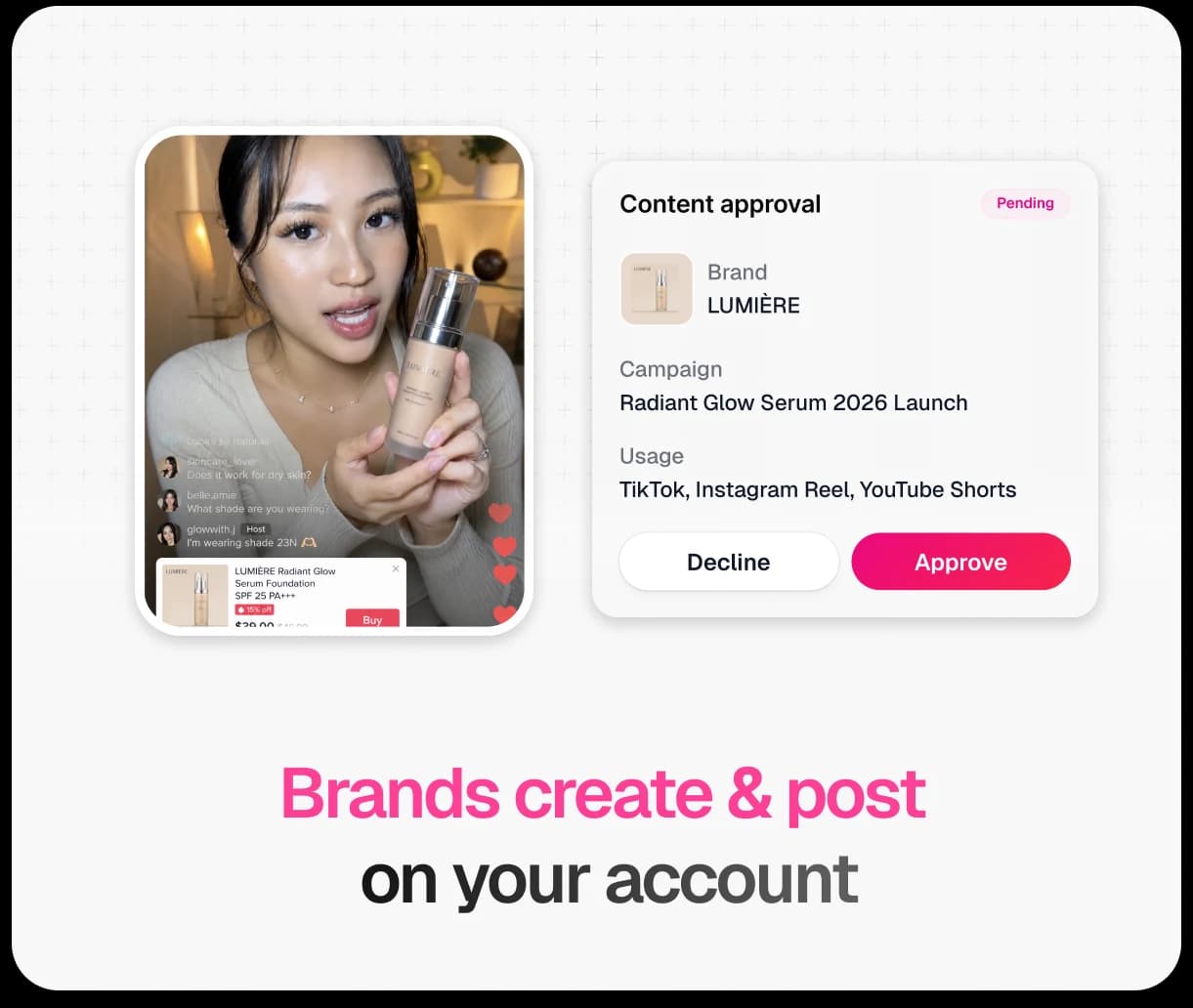
TwinTone doesn’t stop at video creation. It also introduces interactive, AI-powered livestreams designed to drive direct sales. These livestreams aren’t just pre-recorded clips - they’re dynamic, always-on streams where AI Twins present products, answer common questions, and guide viewers toward purchases. They seamlessly integrate with platforms like TikTok, Amazon, YouTube, Twitch, and Shopify.
Low (often free or incentive-based)
2.4x more likely to be seen as authentic
How TwinTone Automates UGC Creation at Scale
Performance Comparison: Traditional Ads vs. UGC
This setup mirrors the rapid-response testing and scaling capabilities of early Facebook ads. Running 24/7, these livestreams eliminate the challenge of coordinating with real creators, ensuring brands can engage customers across time zones and maximize conversions. With short-form UGC videos boasting 70% higher engagement rates than traditional branded content, TwinTone’s livestreams add a layer of urgency and interactivity that enhances the shopping experience.
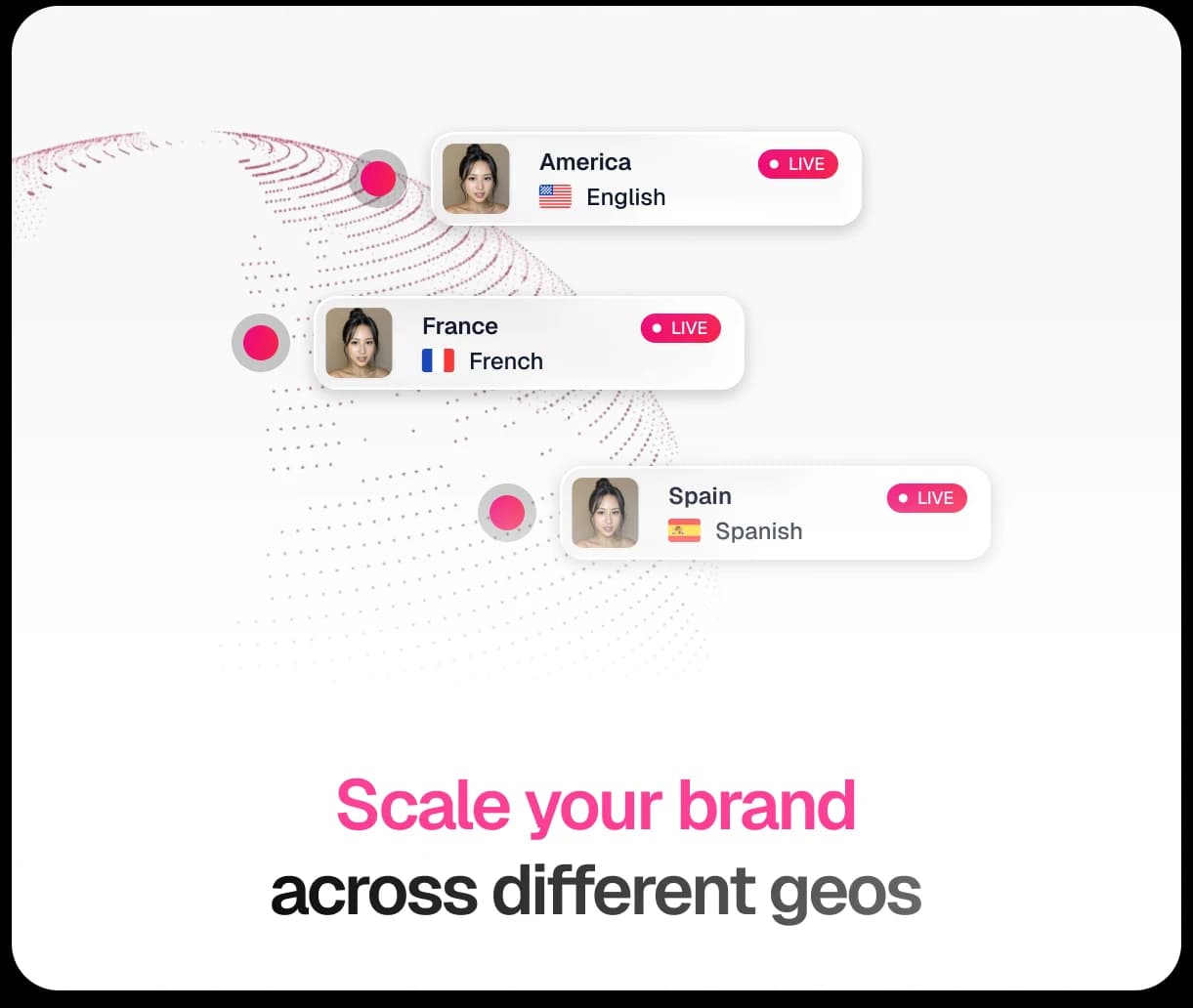
TwinTone also enables brands to produce UGC in over 40 languages, opening doors to international markets without the usual costs of localization. The platform adapts the language while preserving the creator’s delivery style, making it easy to test campaigns globally.
This multilingual capability is available across all subscription tiers, giving even small businesses access to a worldwide audience. Just as Facebook ads in 2012 made digital advertising accessible to everyone, TwinTone is breaking down barriers to global UGC creation. Brands can experiment with messaging in languages like German, Spanish, or Japanese without committing to costly localization efforts upfront, making it easier than ever to scale and connect with diverse audiences.
TwinTone offers a powerful way to test and scale user-generated content (UGC) quickly. Much like the early days of Facebook ads, TwinTone's AI tools allow for fast testing, engaging sales strategies, and precise ROI tracking. The key is using specific tactics to turn AI-generated UGC into measurable results, echoing the rapid testing strategies that drove early Facebook advertising success.
Speed matters when testing ads. Traditional UGC production can take 5–10 days, but TwinTone cuts that down to just 30 minutes. This speed enables you to adopt the rapid testing approach that made Facebook ads so effective back in 2012.
AI-Generated UGC Videos
Start by creating 3–5 ad variations. Adjust the AI actor to align with your target audience - this can increase purchase likelihood by 38%. Experiment with different hooks, emotional tones, and call-to-actions. Case studies show that AI-UGC can reduce Cost Per Result by up to 28% and Cost Per Click by 31%.
"The brands seeing the best results with AI UGC aren't using it to replace traditional UGC completely – they're using it to test messaging rapidly, then producing real UGC for their winners." - Sarah Martinez, Head of Performance Marketing, Shopify
Pay special attention to the first three seconds of your ads. Use bold hooks or unexpected visuals to grab attention right away. Since 85% of TikTok users watch videos on mute, make sure to include captions. Monitor metrics like CTR, CPC, and CPA to identify top-performing variations. Once you’ve nailed down the winning concepts, scale them across platforms. You can also integrate these proven ideas into interactive livestreams for even greater impact.
TwinTone’s AI-powered livestreams run 24/7, solving the hassle of scheduling. These streams are interactive and focused on driving direct sales, with AI Twins showcasing products, answering common questions, and guiding viewers toward purchases on platforms like TikTok, Amazon, YouTube, Twitch, and Shopify.
Start by defining your goal - whether it’s boosting brand awareness or driving direct sales - and choose the right AI avatar and script to match. Link your livestream directly to product pages or shoppable galleries to make purchasing seamless. Campaigns featuring UGC show a 29% increase in web conversions compared to those without it.
See an AI creator sell your products live
Connect your catalogue and go live in minutes — no studio, no crew.
Practical UGC Strategies Using TwinTone
Shoppable AI Livestreams for Direct Sales
Keep an eye on livestream comments for real-time feedback and opportunities to refine your content. Save your streams and repurpose high-performing segments as shorter video ads, email content, or social media posts. This interactive approach not only engages viewers but also provides valuable insights for continuous improvement.
Measuring results is what separates successful campaigns from wasted budgets. Keep track of key metrics like CTR, CPC, and CPA to compare the performance of AI-generated UGC against traditional branded content. UGC often delivers higher click-through rates, and AI-driven strategies can cut cost-per-click by up to 50%.
Focus on metrics like conversion lift and direct sales tied to specific videos, particularly for shoppable livestreams. For instance, between July 2021 and December 2022, health-tech company Nutrisense used UGC and social insights to grow its community from 25,000 to over 130,000 followers - a 496% increase - and boosted social engagement by 45%.
To optimize results, segment your data by platform, format, and language, leveraging TwinTone’s multilingual capabilities. Pay attention to sentiment in comments to understand if your content is resonating or needs adjustment. Finally, track cost savings: AI-generated videos cost just $1–$5, compared to $50–$200 for traditional UGC.
In 2026, User-Generated Content (UGC) holds the same game-changing potential as Facebook ads did back in 2012. Just like those early ads, UGC blends naturally into everyday content, making it feel more like a trusted recommendation than a conventional corporate pitch. With 92% of consumers trusting content created by peers over traditional ads, this shift in trust offers a golden opportunity for brands that act fast.
Creating Content in 40+ Languages
As Nadica Naceva aptly puts it:
"UGC is no longer a side experiment... In 2026, it has become a creative asset shaped by how people now browse, search and make decisions online".
The numbers back this up - early adopters see up to 4x higher click-through rates and 50% lower cost-per-click.
AI-powered tools like TwinTone make scaling UGC easier than ever. By leveraging AI Twins, TwinTone helps brands produce authentic content quickly, test various creative ideas, and localize campaigns in over 40 languages. This kind of automation allows brands to keep up with the constant demand for fresh, engaging content.
The brands that succeed in 2026 are those that treat UGC as a core element of their marketing strategy. They use it to power their entire creative funnel - running shoppable livestreams, experimenting with new ideas, and refining their approach in real time. The evidence is clear: UGC works. The real question is, will you take action now, or let competitors gain the upper hand?
Conclusion
Fast AI UGC for Ad Testing
Brands looking to make the most of user-generated content (UGC) should start by defining clear objectives. Whether the goal is to build trust, expand reach, or boost sales, having a solid plan ensures UGC aligns with your marketing strategy. Encourage customers to share genuine content - think photos, videos, or reviews - through creative approaches like branded hashtags, engaging contests, or personalized post-purchase prompts. This kind of content resonates deeply with audiences, as recommendations from real people often carry more weight than traditional advertising.
Once you've gathered UGC, focus on curating the best pieces. Always seek permission before using someone’s content, and then strategically share it across platforms like social media, product pages, email campaigns, and even paid ads. UGC is not just budget-friendly - it often delivers stronger engagement and better ROI compared to traditional ads. To streamline the process, AI tools can help organize, tag, and personalize UGC while keeping it aligned with your brand’s tone and style.
Setting Up Shoppable AI Livestreams
To maintain momentum, regularly highlight top-performing UGC, monitor key metrics like engagement and conversions, and share customer stories to inspire more participation. By making UGC a central part of your marketing efforts, you can foster growth and build genuine connections with your audience.
AI-generated UGC videos give brands a powerful way to produce relatable and engaging content quickly and affordably. These tools mimic realistic lighting, natural reactions, and everyday scenarios, allowing marketers to create high-quality video content in just minutes - something that would typically take weeks using traditional methods.
Tracking ROI and Performance Metrics
Trained on thousands of successful UGC examples, AI ensures that the videos include key elements that resonate with audiences: relatable situations, authentic voice-overs, and seamless integration of products. This not only encourages higher engagement but also builds trust, as viewers are more likely to connect with content that feels like it’s coming from their peers.
What’s more, AI-generated videos can be easily personalized for different audience segments. Whether it’s tailoring content based on age, interests, or shopping habits, this level of customization helps brands connect with their audiences more effectively. By combining speed, cost savings, and personalization, these videos provide a smart way to improve ROI and strengthen audience relationships.
How can brands successfully use user-generated content (UGC) in their marketing strategies?
User-generated content (UGC) stands out by offering a level of trust that traditional brand messaging often can't match. Why? Because it highlights real experiences from actual customers. Whether it's photos, videos, or reviews, UGC serves as social proof, giving potential buyers a glimpse of how products fit into everyday life. Research shows that most shoppers are heavily influenced by UGC when deciding what to buy, often viewing it as more trustworthy than conventional advertising.
What makes UGC even more impactful is its personal and community-driven nature, which naturally encourages word-of-mouth sharing. People tend to trust recommendations from friends and family, and UGC taps into that same dynamic by presenting relatable, peer-driven stories. This blend of trust and relatability not only helps consumers make decisions faster but also increases conversions. For brands aiming to genuinely connect with their audience and boost sales, UGC is a game-changer.
What makes AI-generated UGC videos better than traditional methods?
- AI-Driven Content Curation for DTC Brands
- How: AI UGC is taking over the world
How does user-generated content (UGC) build trust and influence buying decisions?
- AI Twins for Brand Partnerships: A New Model
- How: Brands Can License Creators Using AI
- AI-Driven Influencer Marketing Explained
Frequently asked questions
UGC - the biggest marketing opportunity in 2024 for handmade sellers?
Trust plays a starring role here. A staggering 92% of consumers trust UGC or word-of-mouth recommendations over traditional brand ads, and 79% say UGC has a major influence on their purchasing decisions. In fact, customer-created content is viewed as 9.8x more trustworthy than branded content. Short-form UGC videos, in particular, generate 70% higher engagement rates than brand-produced videos, and 85% of consumers find UGC more impactful than professional photos or videos when deciding what to buy.