live streaming
Synchronized Streaming for Live Shopping
Live shopping is reshaping e-commerce by combining live video, real-time interaction, and instant purchasing.
Live shopping is reshaping e-commerce by combining live video, real-time interaction, and instant purchasing. It’s especially popular in China, generating nearly ¥5 trillion in sales in 2023, and is rapidly growing in the U.S. with platforms like TikTok, Amazon Live, and Instagram. However, common issues like video delays, outdated inventory updates, and platform inconsistencies can frustrate shoppers and hurt sales.
Synchronized streaming solves these problems by offering:
Low-latency video (under 3–5 seconds) for smoother interactions.
Real-time inventory updates to prevent overselling and ensure accurate stock availability.
Consistent experiences across devices so shoppers see the same prices, products, and promotions everywhere.
Tools like TwinTone AI take it further with 24/7 virtual hosts, shoppable videos, and multilingual support, making live shopping more accessible and efficient. Brands using synchronized streaming report up to 30% conversion rates, far surpassing traditional e-commerce. With live shopping projected to grow to $50 billion in the U.S. by 2026, synchronized streaming is a key solution for staying competitive.
At the heart of synchronized streaming is ultra-low latency, typically under 3–5 seconds from when a host speaks to when viewers see it on their screens. Compare that to traditional streaming, which can lag by 20–30 seconds. Even a small delay can disrupt live interactions. For instance, if a host announces a flash sale or asks for immediate viewer engagement, those extra seconds could mean missed sales or reduced participation.
Core Features of Synchronized Streaming
Low-Latency Broadcasting Across Multiple Platforms
To achieve this speed, modern synchronized streaming relies on protocols like WebRTC and optimized HLS delivery through global CDNs. This technology enables simultaneous broadcasts across platforms like TikTok, Instagram, YouTube, Amazon Live, and brand websites. According to BigCommerce, this multi-platform approach ensures consistency by centralizing inventory and order processing, so product data remains uniform across all channels. This eliminates the need for managing separate streams for each platform, making operations smoother and ensuring real-time engagement with viewers.
Nothing frustrates shoppers more than clicking "buy" only to find the item is sold out. Real-time inventory updates solve this problem by directly linking the streaming interface with the commerce backend. This allows instant stock adjustments across all channels whenever a purchase is made. Whether viewers are shopping on mobile, desktop, or in-store, the system ensures accurate availability, reducing issues like overselling or canceled orders.
During high-demand events like holiday sales or limited-edition drops, precise inventory tracking becomes even more critical. Shopify highlights that connected commerce systems can update low-stock alerts and inventory callouts in real time, ensuring a smooth customer experience. For example, brands can confidently display messages like "Only 5 left" or "10 just sold" because these reflect up-to-the-second stock data. This level of accuracy builds trust and enhances the shopping experience, even when customers switch devices mid-stream.
Real-Time Inventory Updates
Shoppers today frequently switch between devices, and synchronized streaming ensures that viewers see the same video content, pricing in USD, and product availability no matter what screen they’re using. This consistency eliminates confusion and helps build trust, especially when customers compare what they see across devices.
Centralized orchestration and real-time messaging make this possible. The same product cards, CTAs, and promotional overlays are displayed across web browsers, mobile apps, social platforms, and even in-store digital displays. For brands running omnichannel operations, this means they can seamlessly coordinate experiences, like hosting in-store events that are mirrored online. Shoppers on different devices can participate in live Q&A sessions or product drops without feeling out of sync. This unified approach ensures a smoother path from discovery to purchase, no matter how customers choose to shop.
Tackling the challenges of live shopping requires fresh solutions, and TwinTone's AI-powered tools are stepping up to the plate.
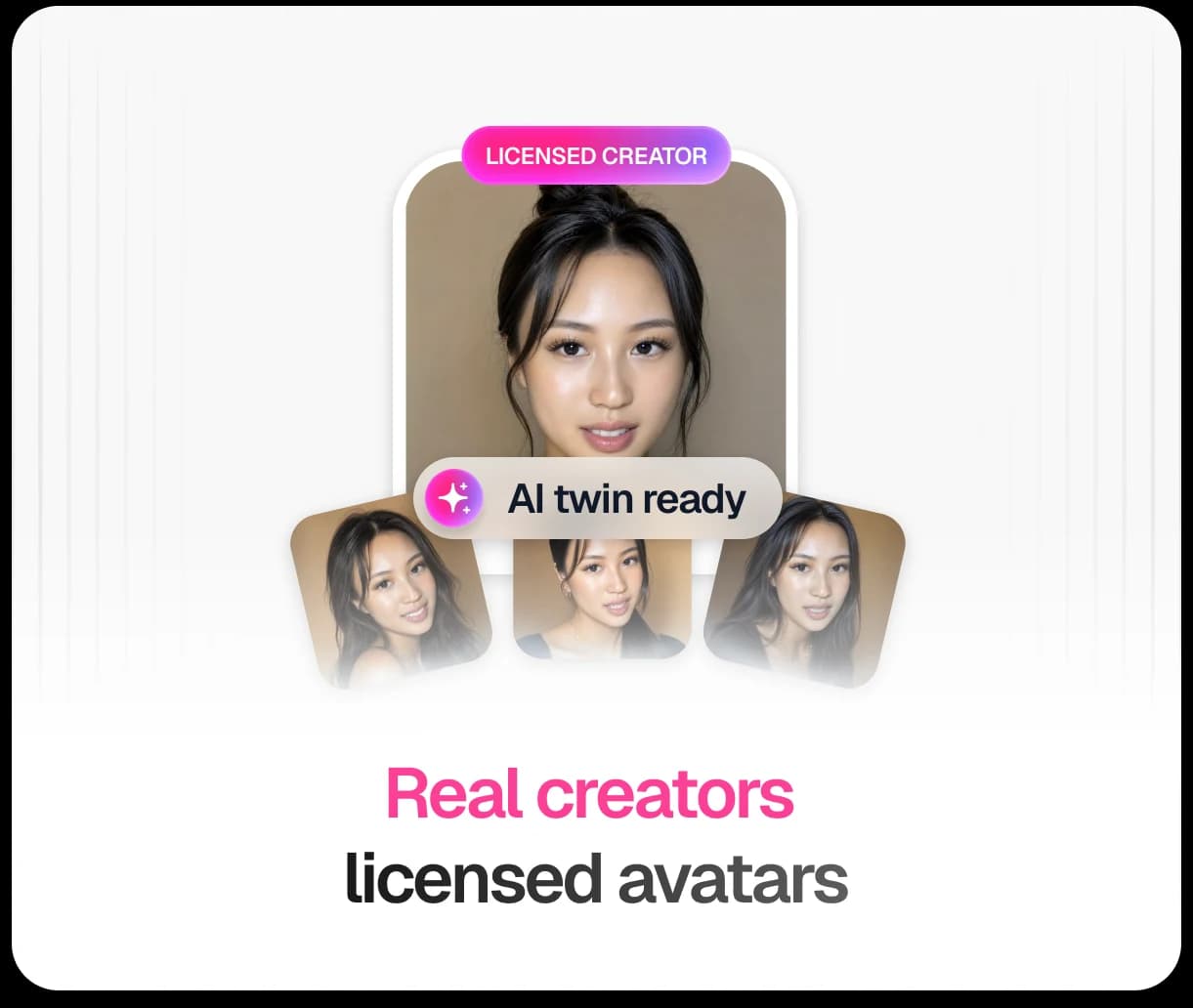
One of the biggest hurdles in traditional live shopping is the reliance on human hosts, who aren’t available around the clock. TwinTone addresses this by creating AI Twins - virtual versions of real creators that mimic their voices, gestures, and presentation styles. These AI Twins can host interactive livestreams nonstop, 24/7. This eliminates scheduling headaches and trims operational costs.
While standard live shopping typically sees conversion rates of 2–3%, synchronized streaming pushes that number up to as much as 30% by offering real-time updates and smoother interactions.
How TwinTone AI Livestreams Improve Live Shopping
On-Demand Product Demos and Shoppable Videos
As discussed earlier, synchronized streaming addresses many of the challenges faced in live shopping. Let’s take a closer look at how it stacks up against traditional methods.
One of the biggest drawbacks of standard live shopping is latency, which typically ranges from 3 to 10 seconds - or even longer. This delay disrupts the flow of interactions, making it harder for viewers to engage in real-time. Synchronized streaming, on the other hand, reduces latency to under 1 second, allowing product demonstrations, live chats, and inventory updates to happen seamlessly across all platforms.
This reduction in lag has a huge impact on conversion rates. While standard live shopping typically sees conversion rates of 2–3%, synchronized streaming pushes that number up to as much as 30% by offering real-time updates and smoother interactions. Another key distinction is platform reach: standard live shopping is often limited to a single platform, like TikTok Shop or YouTube Live. Synchronized streaming, however, can broadcast simultaneously across multiple platforms, including Instagram, Facebook, and TikTok.
Multilingual Support for Global Audiences
2–3x higher with real-time interactions
These advantages in performance metrics directly contribute to better customer experiences and increased sales.
The real magic of synchronized streaming lies in how it transforms viewer engagement into tangible sales results. By eliminating delays, it creates a smoother, more immersive shopping experience. Real-time Q&A sessions foster genuine connections between hosts and viewers, keeping audiences engaged and interested.
This heightened engagement translates into stronger sales. With synchronized streaming, multi-screen interactions are coordinated, and inventory updates happen instantly, ensuring no overselling or stock issues. These features are especially appealing to younger audiences, as shown by the fact that 83% of Gen Z consumers participate in livestream shopping. The immediacy and reliability of synchronized streaming not only enhance engagement but also deliver returns that standard live shopping methods simply can’t match.
Synchronized Streaming vs. Standard Live Shopping Methods
Performance Metrics Comparison
Synchronized streaming allows your brand to broadcast seamlessly across platforms while keeping inventory, pricing, and product details aligned. To make this work, you'll need to integrate your e-commerce systems with the right streaming tools.
Start by linking your e-commerce backend - whether it's Shopify, WooCommerce, BigCommerce, or even Amazon - using native plugins or apps. These integrations ensure that your product catalogs, prices, variants, and inventory are automatically synced. For instance, YouTube Live works directly with Shopify, letting you showcase and update products during live streams. Similarly, BigCommerce enables omnichannel broadcasting across Instagram, TikTok, and Facebook, all while managing inventory in one place.
Before going live, test your setup in a sandbox mode. This step ensures that product data syncs correctly, inventory updates happen in real time, and orders flow smoothly. Testing helps you avoid overselling or running into technical issues during high-traffic events. Your streaming app should have access to products, inventory, orders, and discounts, allowing features like low-stock alerts and availability updates to appear across platforms during the stream.
Effects on Customer Engagement and Sales
The ultimate goal? Create a unified system where inventory updates are instantaneous. For example, if a viewer purchases an item on one platform, stock levels should automatically adjust everywhere else - no manual intervention needed. Once your integration is solid and tested, you can expand your efforts with tools like AI Twins and APIs.
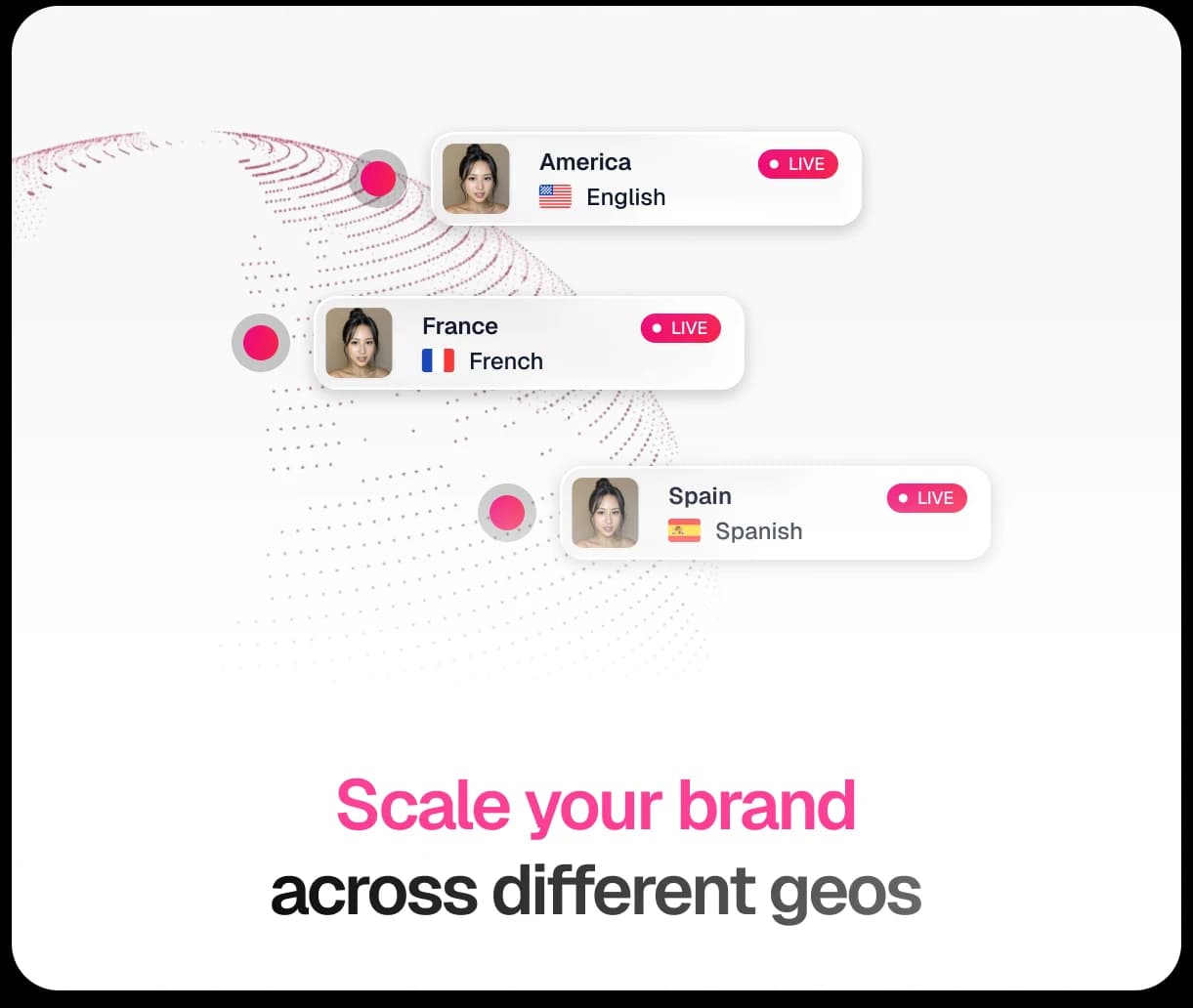
AI Twins, such as TwinTone, make it possible to run live shopping sessions 24/7 in more than 40 languages. This means you can schedule recurring streams - whether for nightly deals, weekend promotions, or product launches - without worrying about host fatigue or time zone challenges.
By connecting your product catalog to AI Twins through APIs, you can dynamically adjust content in real time. For instance, if an item sells out during a stream, an API can prompt the AI Twin to shift focus to other products or highlight items with surplus stock. APIs also simplify tasks like automating stream schedules, generating localized content for U.S. time zones, and syncing promotional offers across platforms.
Once your streaming setup is live and automated, it’s time to track how well it’s performing. Monitor metrics like concurrent viewers, watch time, average session duration, and chat activity - most streaming platforms provide these stats in real time. On the sales side, keep an eye on add-to-cart rates, purchase conversions per stream, average order values, and revenue per viewer. Synchronized streaming can significantly boost conversion rates, with some brands seeing rates climb to 30% (compared to the usual 2–3% for standard e-commerce). Plus, live shopping buyers are about 40% less likely to return their purchases.
How to Set Up Synchronized Streaming for Your Brand
Connecting Synchronized Streaming with E-commerce Platforms
After each event, gather performance data from all platforms into a single dashboard. Break this data down by acquisition source - such as TikTok, Instagram, or email - and customer behavior, like new versus returning shoppers. Use A/B testing to experiment with different variables, such as offer types, stream lengths, or whether human hosts or AI Twins perform better. Document these insights in a playbook that outlines the most effective formats, ideal showtimes for U.S. audiences, and inventory preparation strategies. This way, your future streams can become even more efficient and profitable.
The U.S. livestream e-commerce market is anticipated to hit $50 billion by 2026–2027, driven by platforms that seamlessly combine real-time video with backend inventory systems. This streamlined approach ensures consistency across channels, laying the groundwork for brands to grow their global presence.
AI-powered automation is already reshaping the landscape. Tools like TwinTone's AI Twins are set to revolutionize the industry by enabling 24/7 livestreams in more than 40 languages. This technology not only extends global reach but also boosts efficiency, making it possible to host continuous product demonstrations and shoppable videos. These advancements set the stage for even more personalized and automated shopping experiences.
Using AI Twins and APIs to Scale Content
Looking ahead, we’ll see the rise of AR/VR try-ons and hybrid “phygital” experiences that blend online convenience with in-store interactions. Brands will harness AI to analyze live viewer behavior, providing real-time, tailored product recommendations that make every stream feel custom-fit for its audience. Additionally, broadcasting across multiple platforms like TikTok, Instagram, Amazon Live, and brand websites will become the norm. Centralized dashboards will simplify managing inventory, orders, and engagement metrics, ensuring smooth operations across all channels.
For brands in the U.S., the time to embrace synchronized streaming is now. This technology addresses key challenges like lag, audience engagement, and multi-screen coordination while unlocking access to global markets. With 83% of Gen Z already participating in livestream shopping, early adopters have a unique opportunity to strengthen customer loyalty, increase average order value, and enhance lifetime revenue. The future of live shopping is here, and synchronized streaming is leading the charge.
Synchronized streaming takes live shopping to the next level by removing lag, ensuring everyone watching is on the same page in real-time. This creates a seamless and interactive experience, where viewers can engage more easily and confidently make buying decisions.
With better multi-screen coordination, synchronized streaming lets shoppers browse products, watch live demos, and complete purchases without any hiccups. This uninterrupted flow not only keeps the audience hooked but also boosts the chances of turning views into sales, giving brands a solid edge.
See an AI creator sell your products live
Connect your catalogue and go live in minutes — no studio, no crew.
The Future of Live Shopping with Synchronized Streaming
Measuring Performance and ROI
AI Twins are transforming the live shopping experience by offering dynamic, real-time interactions that capture customer attention and boost sales. These virtual assistants handle product inquiries instantly, share customized content, and deliver smooth engagement across all devices - eliminating the usual delays and expenses tied to traditional live shopping methods.
With round-the-clock availability, AI Twins provide personalized product demonstrations and interactive shoppable content, making it easier for brands to connect with audiences and turn interest into purchases. They simplify the shopping journey while keeping the interaction engaging and authentic.
How does synchronized streaming boost sales during live shopping events?
Synchronized streaming ensures inventory updates are always accurate by using live data feeds that adjust product availability instantly. This means shoppers see real-time stock levels, avoiding any delays or confusion.
By removing lags and keeping updates consistent across all platforms, synchronized streaming improves the shopping experience. It helps brands build trust and keep audiences engaged during live events.
How do AI Twins improve live shopping experiences?
- AI Sync for Live Shopping Streams
- AI Twins and Emotion Feedback in Live Shopping
How does synchronized streaming keep inventory updates accurate during live shopping events?
- Time-Sensitive: Tactics for Live Shopping Events
- How: AI Improves Voice Quality in Real-Time
- AI Twins for Brand Partnerships: A New Model
- How: Brands Can License Creators Using AI
- AI-Driven Influencer Marketing Explained
Frequently asked questions
Will Live Shopping On TikTok, Amazon And YouTube Take Off In The U.S.?
Here’s why this matters: 83% of Gen Z shoppers engage with interactive shopping formats. Always-on streams allow brands to connect with these audiences whenever they’re ready to shop, rather than being limited by a host’s availability.