AI
Best Practices for Long-Form Content Syndication
Long-form content syndication is a smart way to republish existing high-value materials - like articles, eBooks, or videos - on third-party platforms to reach…

Long-form content syndication is a smart way to republish existing high-value materials - like articles, eBooks, or videos - on third-party platforms to reach new audiences. It saves time compared to creating new content while boosting visibility, credibility, and conversions. Here’s a quick breakdown of how to do it effectively:
For example, brands like Auth0 and Venngage have seen massive gains in backlinks and traffic using these methods. With AI tools and careful planning, you can extend the reach of your content and drive measurable growth.
Start by identifying the standout pieces of content that have already delivered strong engagement, traffic, or conversions. Focus on evergreen materials like tutorials, research studies, and how-to guides instead of time-sensitive topics. Here's why: long-form content tends to attract more backlinks - three times more than shorter pieces, on average. Plus, the typical first-page search result contains about 1,447 words. Even on platforms like YouTube, 73% of viewers prefer videos longer than 30 minutes, compared to just 27% who engage with shorter ones.
Look for evergreen formats such as eBooks, whitepapers, and case studies that have demonstrated strong engagement. Make sure these assets are live and properly indexed to maintain their original authority. Protecting these assets ensures they continue to deliver value and strengthen your content strategy.
"In a sea of sameness, longer content stands out, not by being louder, but by being different. More thoughtful. More useful." - Wednesday Reynolds, COO, Social Media Pro
How to Prepare Long-Form Content for Syndication
Choosing High-Value Long-Form Assets
Once you've chosen your top-performing assets, take steps to preserve their SEO value with effective republishing strategies.
When syndicating content, it's important to use technical measures to safeguard your original rankings. As of 2023, Google favors noindex tags over canonical tags for syndicated versions. While rel=canonical tags can consolidate ranking signals, Google may override them if the syndicating site is highly authoritative.
"If you're syndicating content, ask your partner to add a noindex tag. If they say no, ask for a canonical. If they refuse both, you have to weigh the risk." - Brett Helling, Founder, Trendline SEO
Before entering any syndication agreement, make sure to negotiate SEO terms upfront. Always include a backlink to the original article with clear attribution, such as "Originally published on [Your Site]." To reduce the risk of duplicate content, consider partial syndication - share only an excerpt or summary with a "read more" link to drive referral traffic.
Once your syndicated content is live, double-check the page source for correct meta tags and use Google's URL Inspection Tool to confirm that your original page remains indexed. For example, Sarah Peterson syndicated a blog post to Elite Daily, which included a link to her free email course. This tactic brought her over 1,000 new email subscribers.
Once you've ensured your SEO is protected through thoughtful republishing strategies, the next step is to identify the best platforms to distribute your long-form content.
To reach decision-makers actively seeking solutions, focus on industry-specific platforms like G2, TechTarget, and Business 2 Community. These platforms not only cater to niche audiences but also offer opportunities to establish credibility. When selecting where to syndicate, check each platform's Domain Authority (DA). Prioritize those with a DA equal to or higher than your own, as this can strengthen your backlink profile and enhance your site's authority.
Be cautious about the quality of the platforms you choose. Avoid sites with spammy outbound links or vague editorial guidelines. To identify high-authority syndication partners, use advanced search techniques. For example, search for phrases like "originally published on" alongside your topic keywords or analyze competitor backlinks to find "canonical" links.
A great example of effective syndication comes from Venngage, which increased site traffic by 400% by sharing visual content like infographics and slide decks that complemented articles on third-party platforms. Once you've selected your platforms, the next step is to expand your distribution strategy for even greater impact.
After narrowing down your platform choices, diversify your syndication approach by blending paid, organic, and publisher partnerships. This combination allows you to balance quick visibility with sustained authority building.

A great example of effective syndication comes from Venngage, which increased site traffic by 400% by sharing visual content like infographics and slide decks that complemented articles on third-party platforms.
Content Syndication: Safe SEO Practices for Your Blog (Episode 80)
Using SEO-Safe Republishing Methods
Paid networks such as Outbrain and Taboola offer visibility through cost-per-click (CPC) or cost-per-thousand-impressions (CPM) models. For B2B lead generation, platforms like ViB Syndication use pay-per-lead or pay-per-download pricing. For instance, in October 2024, Google (formerly Siemplify) achieved a fourfold increase in lead count with a 50% lead-to-opportunity conversion rate using this approach.
On the organic side, free platforms like LinkedIn, Medium, and Substack are excellent for building thought leadership while improving SEO. Notably, B2B syndication efforts average a 5.31% conversion rate - more than double the standard rate of 2.23%. Additionally, AI-driven distribution methods can increase engagement by 83% compared to manual efforts.
30-Day Content Repurposing Schedule for Maximum Reach
When you’re working on a platform strategy, repurposing long-form content is a smart way to deepen engagement and meet your audience wherever they spend their time. Whether they’re scrolling LinkedIn, watching short videos, or reading newsletters, breaking down your content into different formats ensures you’re reaching them where it matters.
Start with a modular mindset. Plan your core content so it can easily be transformed into slides, social posts, or videos. This way, you’re not just creating content - you’re building an interconnected content ecosystem.
Take a high-effort piece, like a 3,000-word guide or a 45-minute webinar, and break it into platform-specific formats. For instance, divide your blog post by its H2 and H3 subheadings, and each section can become its own LinkedIn post, newsletter snippet, or social media teaser. A single blog post of this size can yield 25–35 individual pieces of content.
Think beyond text. Turn data points into infographics or 8–10 slide carousels for Instagram and LinkedIn. On TikTok or Reels, use the "Green Screen" effect to explain charts from your original article. You can even transcribe podcast episodes into detailed, SEO-friendly blog posts. Since visuals are 65% more memorable than text after three days, formats like these can make a lasting impression.
On platforms like LinkedIn, consider a "zero-click" strategy. Instead of directing users to your website, share the full value directly in the post - like a PDF carousel - so the platform doesn’t penalize you for external links.
Here’s how different types of content can be repurposed:
Blog series, LinkedIn articles, X threads, Newsletters

Choosing the Right Platforms for Syndication
Focusing on High-Authority Niche Platforms
- Infographics, Quote graphics, Presentation slides
- Podcast summary, Short summary video
- Blog summary, Key takeaway posts, Guest quotes
- Full audio replay, Short video reels
- Success story snippets, Sales one-pagers
- Testimonial graphics, Results infographics
This approach not only extends the life of your content but also aligns with a syndication strategy. Plus, it can cut production time by 60%.
Now, let’s talk about structuring your repurposing plan with a 30-day timeline.
A structured schedule ensures you’re maximizing your content’s reach without overwhelming your audience. Staggering releases is especially effective since organic reach on platforms like Facebook and LinkedIn often falls below 5%. A phased approach gives the majority of your audience another chance to engage.
Days 1–10 (Foundation & Atomization): Start by auditing your top 10 best-performing blog posts from the past two years. Set up tracking metrics to measure your return on investment. Break your pillar content into smaller "atoms" like quotes, charts, and key takeaways - aim for 5–15 pieces per asset. Use templates for carousels and videos to cut design time by 80%.

Repurposing Long-Form Content into Multiple Formats
Combining Paid, Organic, and Publisher Partnerships
Days 11–20 (Transformation): Batch-create content to streamline production. For example, turn one blog post into 5–7 LinkedIn posts, 10–15 X posts, one email newsletter, a short-form video, and an infographic.
Days 21–30 (Distribution): Spread out your content over four weeks rather than releasing it all at once. Tailor your "hook" for each platform - LinkedIn users look for professional insights, while Instagram users lean toward visually engaging content. Interact with comments to build credibility and signal algorithms to boost your content’s reach.
"Create once. Distribute forever. Most people will spend 20 hours to create a masterpiece and spend 20 minutes to promote it."
Ross Simmonds, Founder, Foundation Inc
For teams on a tight budget, tools like Canva, ChatGPT, and Buffer cost around $50–$100 per month. It’s a small investment compared to the returns, as content marketing generates three times more leads per dollar than traditional advertising while costing 62% less.
AI tools make it easier to turn long-form content into platform-specific pieces. Imagine taking a single blog post and adapting it for LinkedIn, Twitter, email, or even video scripts without spending hours manually tweaking each version. That’s the level of efficiency AI brings to the table. Considering that 84% of B2B organizations say content creation is their most resource-heavy activity, this automation can save both time and resources.
One of AI’s standout capabilities is modular repurposing. It can take a webinar or a detailed blog post and break it into bite-sized, channel-ready formats. For instance, a single article can become a LinkedIn carousel, a series of tweets, and even an email newsletter - all with minimal manual effort.
Take Scott Mathson’s work at Auth0 as an example. By automating content syndication across platforms, he helped grow the company’s backlink profile from 200,000 to over 4.4 million in just two years. Achieving that kind of scale manually would be almost impossible.
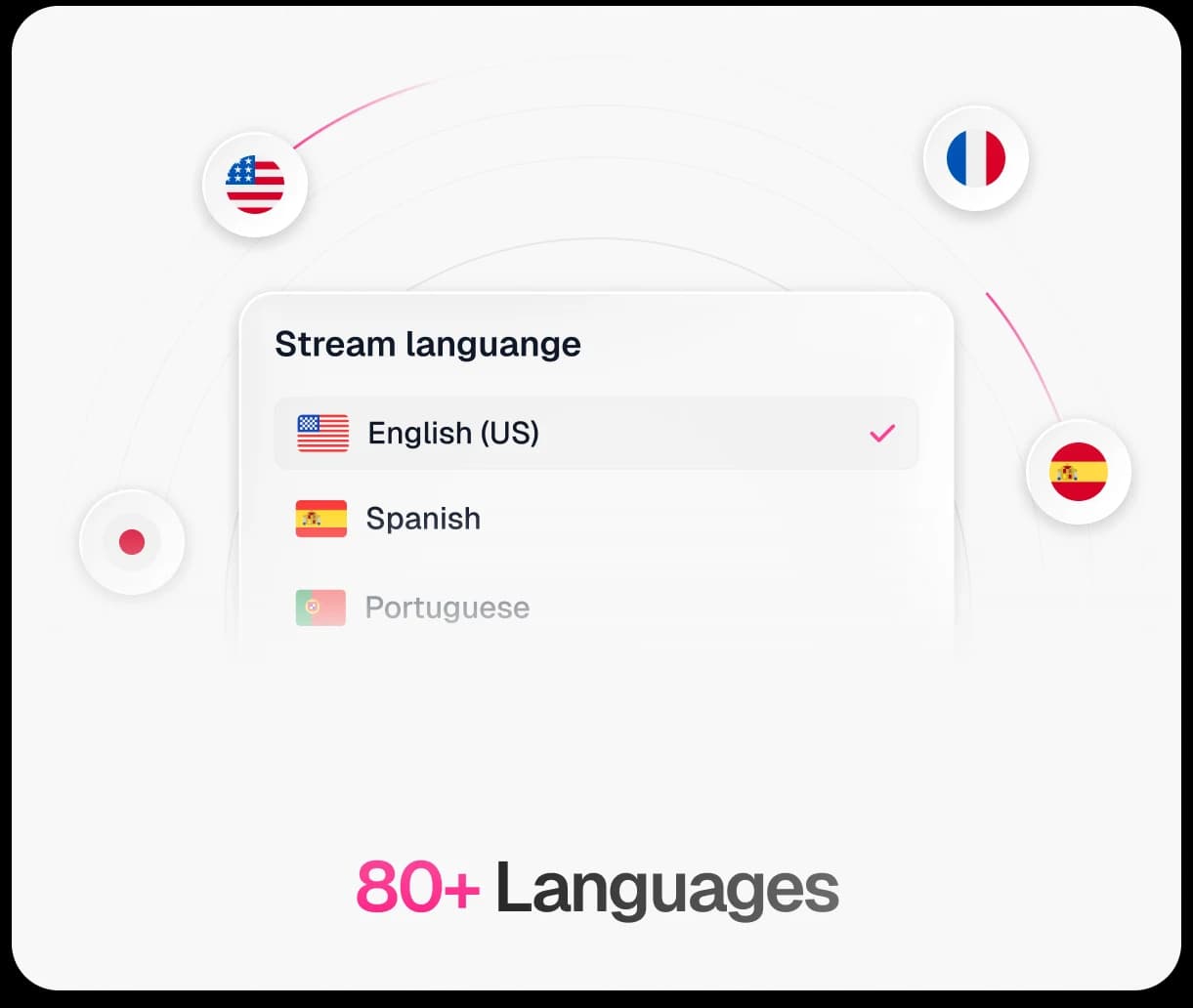
For brands venturing into shoppable video content, tools like TwinTone push automation even further. TwinTone uses AI to create on-demand user-generated content (UGC) videos and host AI-powered livestreams across platforms like TikTok, Amazon, YouTube, and Shopify. It can generate product demos and videos in over 40 languages, making it a game-changer for social commerce. By eliminating production delays, TwinTone enables brands to scale content creation around the clock.
"The brands and teams that succeed are not the ones creating twice as much. They are the ones making what they have already created go twice as far." - Ross Simmonds, Founder, Distribution.ai
See an AI creator sell your products live
Connect your catalogue and go live in minutes — no studio, no crew.
Using AI Tools to Improve Syndication Efficiency
Turning One Asset into Many Formats
AI doesn’t just stop at creating content - it also handles intelligent scheduling. By analyzing audience behavior, it pinpoints the best times to post and manages the publishing queue across multiple platforms. This ensures your content reaches your audience when they’re most engaged. Plus, these automated systems seamlessly integrate with performance tracking, which we’ll dive into next.
Once your content is distributed, keeping tabs on its performance is crucial. AI-powered analytics make this process straightforward by gathering real-time data from all your syndication channels. Metrics like time spent on page, scroll depth, and click-through rates give you a clear picture of how republished content is performing.
For context, the average click-through rate for syndicated content across industries is 2.46%, and B2B companies see an average cost per lead of $43 when leveraging syndication strategies. AI tools can even run automated A/B tests on elements like headlines and calls-to-action, quickly identifying what drives the most engagement.
Sara McGuire, Content Lead at Venngage, achieved a massive 400% increase in website traffic by syndicating visual content. By repurposing long-form materials into infographics and slide decks, she was able to share key insights across multiple partner sites, amplifying reach.
"Great systems track what's working and what's not, and they don't wait until the end of the month to tell you. You get real-time feedback, so you can adjust, optimize, and capitalize on trends while they're still hot." - Ross Simmonds, Founder and CEO, Distribution.ai
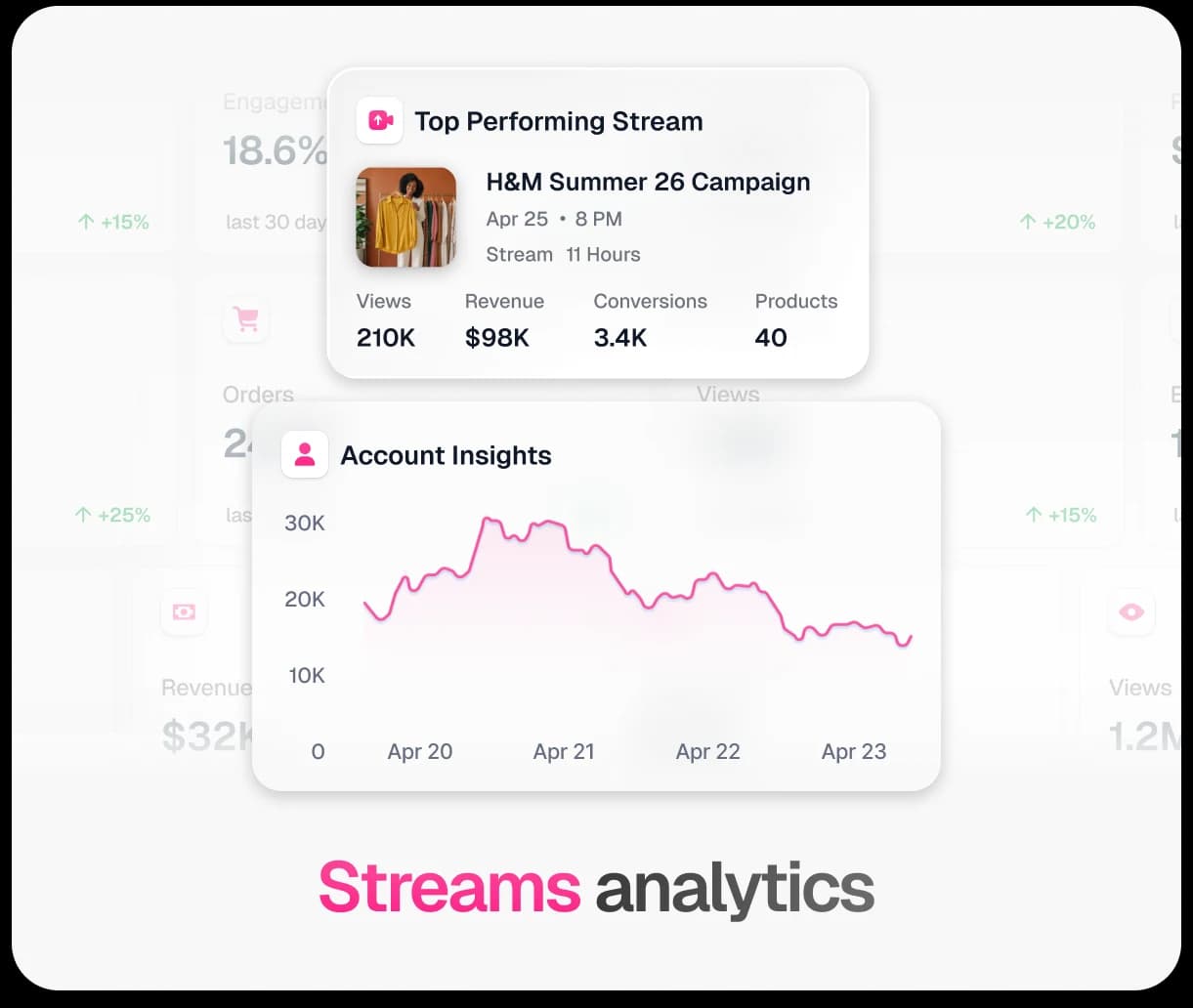
To make tracking even more precise, use UTM parameters on all syndicated links. This way, AI tools can attribute traffic and conversions to specific channels or partner sites. With this level of detail, you can double down on what’s working and cut what’s not. For TwinTone users, built-in analytics simplify this process by tracking engagement, conversions, and ROI from AI-generated content. And don’t forget to optimize each syndicated piece with technical SEO to maximize its impact.
Strategic syndication, when combined with smart asset selection, SEO safeguards, and multi-channel distribution, delivers measurable outcomes. Focus on evergreen content like whitepapers or case studies, and ensure syndication partners use rel=canonical tags to preserve your original content's authority.
Mix free platforms with paid networks and publisher collaborations for maximum reach. Companies leveraging AI-driven distribution strategies report an 83% boost in content engagement compared to manual methods. For instance, in 2024, UKG achieved a 12% Sales Qualified Opportunity conversion rate and generated $1.8 million in new revenue by syndicating targeted content through LeadSpot. Their cost per lead? Just $60 - two to three times more efficient than previous paid ad campaigns.
AI integration takes these strategies to the next level by cutting down the manual effort of reformatting content for various platforms. A single blog post can evolve into LinkedIn carousels, Twitter threads, email newsletters, and even video scripts - all while staying true to your brand's tone. For shoppable video content, tools like TwinTone generate on-demand UGC videos and host AI-powered livestreams across multiple platforms in over 40 languages, tracking engagement and ROI in real time.
Leverage UTM parameters and real-time analytics to identify high-quality traffic sources. With B2B firms achieving an average 5.31% conversion rate on syndication offers and experiencing ROI between 300–500% over three years, the numbers make a strong case. By combining strategic syndication with AI automation, you can amplify your content’s reach and drive consistent growth.
Conclusion and Key Takeaways
Crafting a 30-Day Repurposing Schedule
To protect your SEO efforts during content syndication, it’s crucial to signal to search engines which version of the content is the original. One effective way to do this is by using a rel=canonical tag on syndicated pages, directing search engines back to your original URL so it receives the ranking credit it deserves. If adding a canonical tag isn’t an option, request the publisher to include a noindex meta tag on their page. This prevents their version from competing with yours in search rankings while still allowing it to drive referral traffic. Don’t forget to include a clear attribution line with a hyperlink to your original content - this ensures proper credit and preserves link equity.
Keep an eye on your content’s performance by using tools like Google Search Console. This will help you confirm that your original page retains its rankings. For a more streamlined approach, platforms like TwinTone can automate tasks like adding canonical tags, attribution links, and structured data, making syndication smoother for UGC videos and livestreams. By staying vigilant and using these strategies, you can safeguard your SEO while broadening your content’s reach.
Automating Content Distribution with AI
To get the most out of long-form content like e-books, white papers, or in-depth blog posts, it’s all about smart distribution. Three standout methods are content syndication networks, B2B distribution tools, and social publishing platforms.
Content syndication networks are great for getting your work featured on high-traffic websites or niche portals, helping you connect with the right audience. B2B tools take the hassle out of distribution by automating tasks and ensuring your content is formatted correctly for different platforms. Then there are social publishing platforms like LinkedIn Articles or Medium, which let you share directly with professionals and enthusiasts, opening up opportunities for meaningful engagement.
Monitoring Syndication Performance with Analytics
For a fresh approach, tools like TwinTone can breathe new life into your content by turning it into AI-generated videos or livestreams. This makes it easy to repurpose your work for video-centric platforms, keeping it relevant and extending its reach across multiple channels.
AI tools take the hassle out of syndicating long-form content by automating those tedious, repetitive tasks. Instead of spending hours tweaking content to fit different platforms, AI can handle it in a snap. Need resized visuals? Done. Rewritten captions? No problem. Optimized video scripts? Consider it handled. This approach not only ensures your message stays consistent across platforms but also saves you a ton of time and effort.
How can I protect my SEO when syndicating long-form content?
Plus, many AI platforms come with built-in integrations for distribution networks. They can schedule and publish content effortlessly, track performance metrics, and even tweak distribution strategies on the fly. Worried about duplicate content? These tools help minimize that risk, too. For example, tools like TwinTone take it a step further by allowing brands to create AI-driven UGC videos, livestreams, and even shoppable content on demand. This makes scaling your content syndication a breeze while keeping costs predictable and tailored to U.S. budgets.
AI Transforms Influencer Engagement: 10 Strategies
What are the best ways to syndicate long-form content effectively?
- 5 Steps to Identify Trending Creators in Specific Demographics
- How: Creators Monetize with AI Access
How can AI tools streamline long-form content syndication?
- How: AI Powers Subscription Revenue Models
- AI Twins for Brand Partnerships: A New Model
- How: Brands Can License Creators Using AI
- AI-Driven Influencer Marketing Explained