Sentiment Analysis for Personalized Fan Interactions
How to build a futureproof relationship with AI
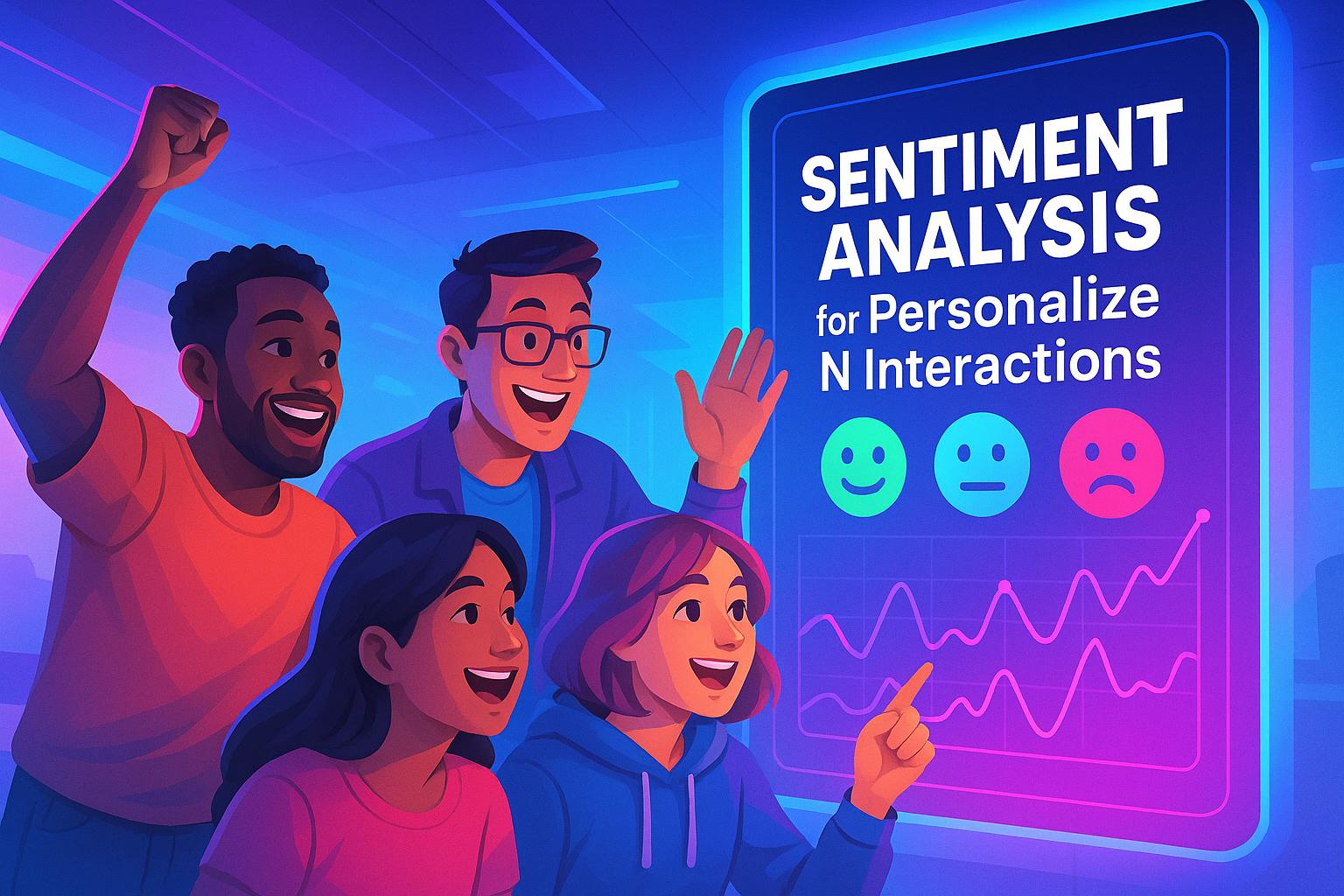
Sentiment analysis uses AI to understand how fans feel by analyzing text, speech, and online interactions. This helps creators and brands improve fan engagement by tailoring experiences to match emotions and preferences. Tools like TwinTone even use AI to automate interactions, offering around-the-clock personalized responses.
Key Takeaways:
What it does: Analyzes emotions (positive, negative, neutral) in fan feedback from social media, chats, surveys, etc.
Advanced analysis: Aspect-Based Sentiment Analysis (ABSA) pinpoints emotions tied to specific topics (e.g., pricing, content quality).
Why it matters: Helps improve fan experiences, refine strategies, and boost loyalty.
Real-time insights: Enables immediate adjustments during events to address fan sentiment.
Applications: Used by sports teams (NBA, MLB) and creators to drive engagement and revenue.
Example:
Nashville SC analyzed 3,600 Reddit threads in 2023. Findings showed fans loved the stadium atmosphere but had mixed feelings about pricing. This helped focus improvements where needed.
Sentiment analysis is reshaping how creators and brands connect with fans, offering deeper insights and more effective engagement strategies.
What Is Sentiment Analysis For Sports Fan Engagement? - Business In Sports
Core Technologies Behind Sentiment Analysis
Understanding the technology behind sentiment analysis equips creators and brands to make smarter decisions about fan engagement. These systems rely on advanced AI tools capable of processing massive amounts of text and delivering insights almost instantly. This technology forms the backbone of the personalized strategies mentioned earlier.
Natural Language Processing (NLP) and Sentiment Models
At the heart of sentiment analysis is Natural Language Processing (NLP), which transforms unstructured text into data that machines can analyze. NLP techniques dissect language from sources like live chats, social media posts, and survey responses. They go beyond identifying whether sentiment is positive, negative, or neutral - they also extract key details such as team names, player mentions, or specific events.
The practical impact of NLP is evident in real-world applications. For example, analyzing post-game surveys revealed that digital fans cared most about app experience and streaming quality, while in-person fans placed higher value on stadium improvements and halftime shows. Insights like these enable organizations to focus on the areas that matter most to their audiences.
AI-driven sentiment models complement NLP by categorizing the emotions and opinions expressed in fan communications. These models, powered by machine learning, adapt to changing fan language and subtle nuances. Advanced transformer-based architectures excel at interpreting sarcasm, context-specific phrases, and the rich complexity of fan interactions.
Aspect-Based Sentiment Analysis (ABSA)
While general sentiment analysis provides an overall mood - positive, negative, or neutral - Aspect-Based Sentiment Analysis (ABSA) takes it a step further. ABSA evaluates opinions on specific topics or features, offering a more detailed picture. For instance, it can distinguish between feedback on event quality, pricing, or team performance.
This level of detail provides actionable insights. In Fall 2023, Nashville SC collaborated with Vanderbilt Data Science to analyze over 3,600 Reddit threads using ABSA and NLP. The analysis showed that fans expressed the most positive sentiment about the stadium's atmosphere, while feedback on pricing was more mixed. Armed with this knowledge, the club could refine its strategies, focusing on areas with the greatest potential for improvement while addressing specific challenges.
ABSA also captures the complexity of fan emotions. For example, a fan might rave about a creator’s content but feel annoyed by inconsistent posting schedules. Similarly, they might applaud a team’s performance but criticize ticket prices. By breaking down these different aspects, organizations can address pain points without losing sight of their strengths.
With these granular insights, real-time sentiment analysis turns feedback into actionable strategies, allowing organizations to respond quickly and effectively.
Real-Time Sentiment Analysis Benefits
Real-time sentiment analysis marks a significant shift from traditional feedback methods like post-event surveys or yearly fan studies. Instead of waiting days or weeks for insights, this approach enables organizations to monitor fan sentiment and react immediately.
This immediate feedback loop unlocks possibilities that older methods simply can’t match. Organizations can tweak live event strategies, adjust in-game entertainment, or modify their messaging based on how fans feel in the moment. If fans are thrilled by a particular highlight, brands can amplify that energy. If sentiment dips, they can step in to address concerns before they escalate.
The technology behind real-time sentiment analysis includes scalable data pipelines that process high volumes of fan communications, advanced NLP models for instant text analysis, and real-time dashboards that visualize sentiment trends as they unfold. These systems integrate seamlessly with fan communication platforms, creating a continuous loop of feedback and response.
Major League Baseball (MLB) showcased the power of this approach by applying sentiment analysis to loyalty program feedback. By segmenting fans based on their engagement drivers, MLB tailored its offerings to meet specific needs. This led to higher engagement rates and increased season ticket renewals. Real-time sentiment analysis doesn’t just improve fan interactions - it transforms how organizations connect with their audiences, shifting from reactive problem-solving to proactive engagement.
Using Sentiment Analysis for Personalized Fan Experiences
Personalized content thrives on the foundation of robust sentiment data. The process involves systematically gathering insights, tailoring interactions based on those findings, and crafting strategies that speak directly to individual fans. Let’s dive into how data is collected, customized, and transformed into meaningful fan engagement.
Collecting Sentiment Data Across Digital Platforms
Sentiment analysis begins with gathering data from every corner where fans share their thoughts. Live stream chats, social media posts, online forums, and comment sections are some of the richest sources of fan sentiment.
To gather this data effectively, creators and brands need both the right tools and a solid plan. APIs, web scraping tools, and integrated analytics platforms play a key role in pulling unstructured text from various platforms in real time. These systems must manage large volumes of fan communication while ensuring data quality and respecting privacy regulations.
The challenge isn’t just about collecting data - it’s about identifying the most relevant data. Each platform offers a unique perspective on fan sentiment. For instance, live stream chats capture immediate, raw reactions. Social media platforms highlight broader community conversations, while online forums often provide more in-depth and thoughtful discussions. A complete understanding of fan sentiment requires input from all these angles.
Customizing Content and Interactions
Once the sentiment data is in hand, the real magic begins - customization. Sentiment analysis helps identify fans' emotional states and preferences, allowing creators to tweak content, polls, or live-stream features to match the mood. This approach goes beyond simple demographics, focusing instead on the emotional context of interactions.
Real-time adjustments during live events can have a huge impact. For example, if sentiment analysis detects excitement or positive energy in a live stream, creators can introduce interactive polls, share exclusive content, or give personalized shout-outs to keep the momentum going. On the flip side, if negative sentiment surfaces, creators can address concerns on the spot or adjust their content to improve the experience.
TwinTone takes this customization further by enabling creators to use AI-powered Twins that analyze fan sentiment and generate branded content or host live streams tailored to audience moods. This technology ensures 24/7 engagement and on-demand personalization, strengthening the bond between creators and their fans.
Using Data to Drive Targeted Engagement
The ultimate goal of sentiment analysis is to create engagement strategies that resonate on a personal level. By segmenting fans based on their sentiment and behavior, creators can deliver tailored content. For example, they might recommend highlight reels to highly enthusiastic fans or offer exclusive interviews to those showing curiosity.
Emotional segmentation is especially effective. Sentiment analysis transforms raw data into actionable insights, helping creators understand the deeper motivations behind fan behavior. Some fans may seek entertainment, others crave a sense of community, and some may be drawn to exclusive access. By analyzing the language and emotions fans share, creators can uncover these motivations and respond accordingly.
Automated systems can act on sentiment changes instantly. When positive sentiment spikes, they might launch special offers or amplify popular content. If negative sentiment arises, systems can alert moderators or adjust messaging in real time.
This data-driven approach shifts fan engagement from guesswork to precision. Instead of delivering the same message to everyone, creators and brands can share the right content with the right fans at the perfect emotional moment. The result? Experiences that feel deeply personal and genuinely meaningful.
Revenue Generation and Community Safety with Sentiment Analysis
Sentiment analysis isn't just about understanding emotions - it's a powerful tool for generating revenue and maintaining safer fan communities. Organizations that tap into this dual benefit can see gains in both financial performance and fan satisfaction.
Improving Revenue Strategies
Understanding fan emotions is at the core of effective revenue strategies. Sentiment analysis pinpoints moments of high excitement or positive engagement, enabling brands to strategically time ads, exclusive offers, or merchandise promotions for maximum impact. This approach goes beyond basic demographic targeting by focusing on the emotional highs that drive purchasing decisions.
For instance, real-time sentiment data allows brands to align product placements and special offers with peak fan excitement during live events. Whether it's promoting limited-time deals, exclusive content, or merchandise, these insights ensure that marketing efforts hit the right note at the right time.
TwinTone takes this concept even further. By deploying AI Twins, creators can analyze fan sentiment in real time and adjust branded content dynamically. These AI-driven interactions detect when fans are most open to product recommendations or special offers, personalizing the shopping experience to boost conversions effortlessly.
While sentiment analysis helps optimize revenue, it also plays a critical role in ensuring a safe and welcoming community.
Better Community Moderation
Toxic interactions can quickly damage fan communities. Sentiment analysis acts as a safeguard by identifying and flagging harmful language before it escalates. This proactive approach helps combat harassment, hate speech, and other negative behaviors that can alienate fans and weaken community trust.
Automated moderation tools powered by sentiment analysis can process thousands of interactions per minute, identifying patterns of negativity that human moderators might overlook. Rather than replacing human judgment, these tools enhance it by flagging problematic interactions for further review. This ensures a balanced approach to moderation while maintaining a positive environment.
By providing data on community health, sentiment analysis fosters transparency in moderation practices, which helps build trust among fans. A safer, more inclusive community not only strengthens loyalty but also enhances overall fan engagement.
Beyond improving safety and revenue, measuring the impact of sentiment analysis is essential.
Measuring ROI and Engagement Metrics
To gauge the financial impact of sentiment analysis, businesses combine emotional insights with traditional metrics like conversion rates, average purchase values, retention rates, and community growth. This approach helps quantify the success of sentiment-driven strategies.
In 2023, Nashville SC collaborated with Vanderbilt Data Science to analyze over 3,600 Reddit threads using Aspect-Based Sentiment Analysis and Generative AI. Their findings showed that positive sentiment spiked during conversations about the stadium atmosphere and after team victories. These insights informed targeted marketing campaigns and improvements to facilities, directly boosting ticket sales and merchandise revenue.
Real-time analytics platforms also help track these connections. For example, TwinTone’s dashboards link sentiment trends to revenue outcomes, allowing creators and brands to see how sentiment-driven content changes impact engagement and conversions. This enables continuous refinement of AI Twin interactions.
Case Studies and Real-World Applications
Organizations are using sentiment analysis to transform how they connect with their audiences. These examples show how specific strategies have led to noticeable improvements in engagement and revenue.
NBA Team: Boosting Fan Engagement Through Sentiment Analysis
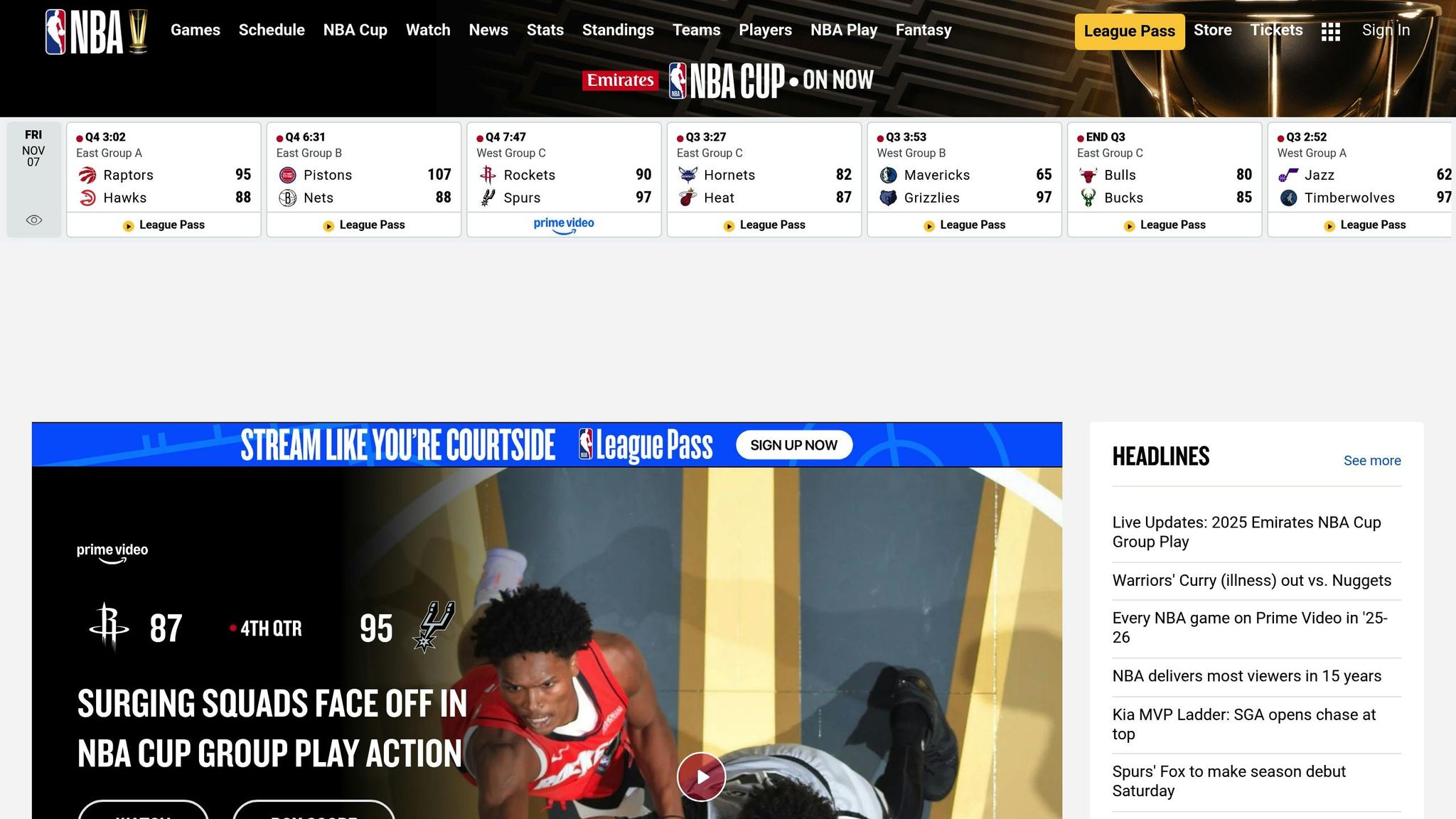
In 2022, the NBA analyzed thousands of open-ended survey responses using natural language processing (NLP) tools to better understand fan emotions. The analysis revealed that digital fans cared most about app performance and streaming quality, while in-person attendees placed higher value on the stadium atmosphere and halftime entertainment. Armed with these insights, the NBA tailored its strategies to address these specific needs. As a result, the league saw a rise in video views and built stronger fan loyalty across both digital platforms and live events.
TwinTone: AI Twins Revolutionizing Content Creation
While the NBA showcases the power of sentiment analysis in sports, platforms like TwinTone are taking creative engagement to a new level. TwinTone allows creators to transform their likeness into AI Twins, which can generate branded content and host live streams around the clock. This innovation not only boosts revenue but also maintains the creator's unique voice and style.
For content creators, this means they can earn income while their AI Twin manages content production and fan interactions. Brands also benefit by delivering consistent, personalized engagement that keeps audiences connected.
Whip Media: Using Sentiment Insights for Media Alignment
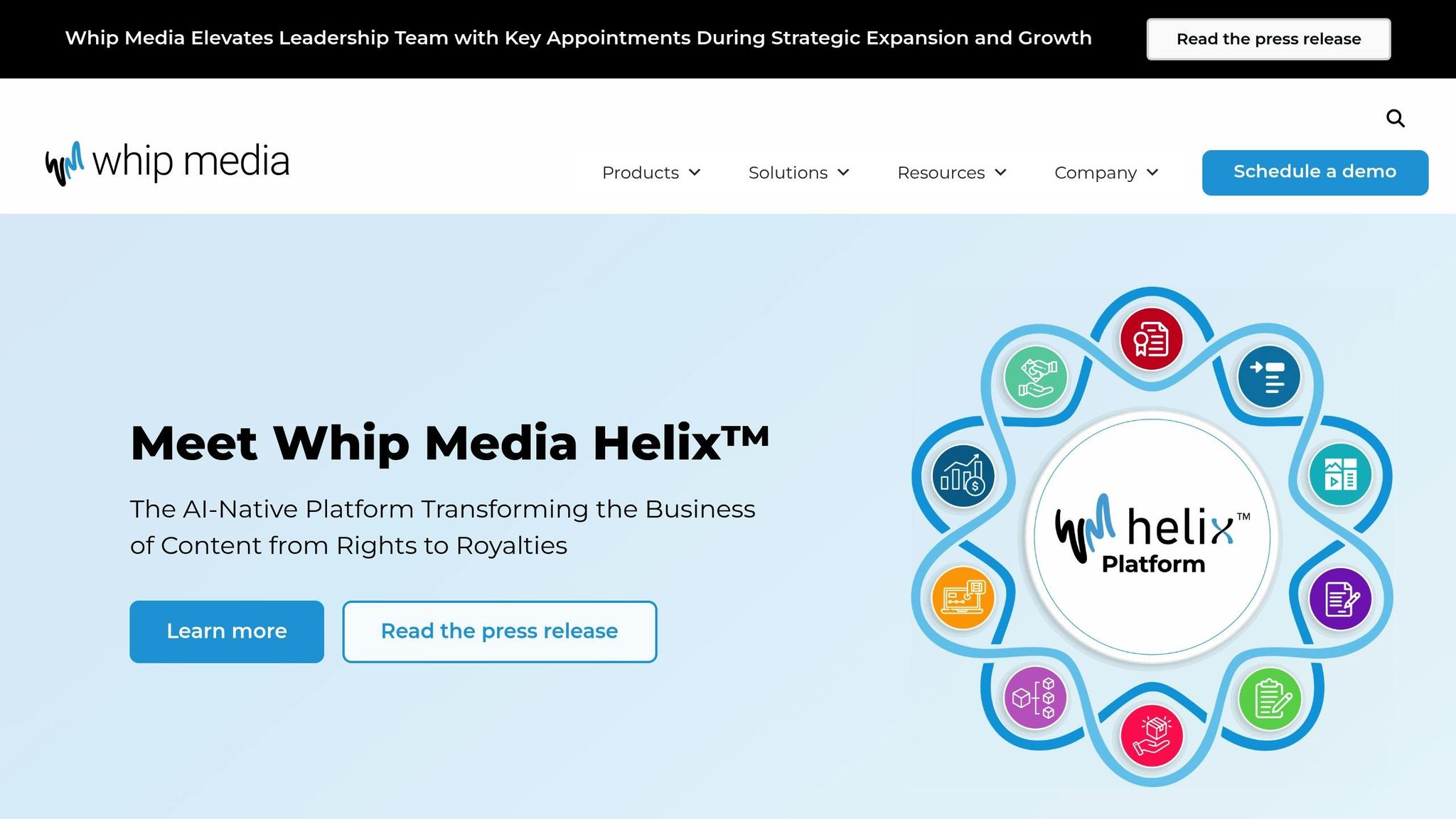
Media companies are also tapping into sentiment analysis to better serve their audiences. Whip Media, for example, analyzes fan discussions, reviews, and social media activity to align its content with audience preferences. By understanding what fans are talking about and how they feel, the company has been able to fine-tune its offerings, leading to higher engagement and satisfaction.
These examples highlight how sentiment analysis is becoming a key tool for creating personalized interactions. Whether it's sports, digital content, or media, the ability to understand and act on audience emotions is proving essential for driving both engagement and revenue growth.
The Future of Fan Engagement with Sentiment Analysis
Sentiment analysis is changing the way organizations connect with fans, helping them create stronger emotional bonds, increase revenue, and build loyalty through tailored interactions.
One of the most exciting developments is the ability to adapt in real time. Teams and brands can now track fan emotions during live events and adjust their strategies instantly based on feedback from digital platforms. This transforms events from static experiences into interactive ones, making fans feel genuinely heard. It’s a shift that opens the door to even more advanced AI-driven fan engagement.
Platforms like TwinTone are leading the charge in redefining creator-fan relationships. Future updates will combine advanced sentiment prediction with AI Twins, allowing creators to anticipate what fans want and produce content that aligns with emotional trends before they fully emerge.
Multimodal sentiment analysis is also breaking new ground. These systems analyze text, audio, and video simultaneously to capture a more complete picture of fan emotions. By identifying subtle emotional cues that traditional metrics might miss, organizations can craft more effective engagement strategies.
The financial upside of these advancements is clear. By pinpointing which products, services, or experiences resonate most with specific fan groups, brands can roll out targeted marketing and personalized offers to drive higher conversion rates. This approach works hand-in-hand with the personalization strategies discussed earlier, creating a smooth and effective way to monetize fan connections.
As sentiment analysis continues to advance, it will enable more precise marketing, foster safer online communities, and support proactive engagement through real-time and predictive insights.
Looking forward, predictive sentiment analysis will allow organizations to anticipate fan needs and deliver tailored experiences before fans even ask for them. This marks a pivotal shift from reacting to fan behavior to staying ahead of it. As tools like TwinTone make personalized interactions more accessible, the gap between brands leading in fan engagement and those lagging behind will grow wider. These trends highlight sentiment analysis as the driving force behind creating personalized and dynamic fan experiences.
FAQs
What is Aspect-Based Sentiment Analysis (ABSA), and how does it enhance personalized fan interactions?
Aspect-Based Sentiment Analysis (ABSA) takes sentiment analysis a step further by diving into specific aspects or categories of feedback. Instead of simply determining whether a fan’s comment is positive or negative, ABSA identifies why. Was it the content quality? The engagement style? Maybe the delivery? This approach breaks feedback into its core components, offering a clearer picture of what resonates - or doesn't.
This granular insight is a game-changer for personalizing fan interactions. It helps creators and brands address individual preferences and concerns with precision. By knowing exactly what fans appreciate or feel could be improved, creators can fine-tune their strategies, building stronger connections and fostering more meaningful engagement.
How can real-time sentiment analysis enhance live events for fans?
Real-time sentiment analysis has the potential to reshape live events by aligning the experience with the emotions and reactions of the audience. By examining how fans feel as the event unfolds, organizers can tweak content, pacing, or interactions on the spot, creating an atmosphere that resonates more deeply with the crowd.
Take this as an example: sentiment data can pinpoint the moments when fans are most thrilled or engaged. This insight allows creators or brands to amplify those highlights, making them even more impactful. On the flip side, it can also uncover times when the audience feels less involved, offering a chance to shift gears and recapture their attention. This dynamic, responsive approach strengthens the bond between fans and creators, building loyalty and boosting overall enjoyment.
How does sentiment analysis help boost revenue and ensure a safe fan community?
Sentiment analysis is key to gauging how fans feel and react in real time. By diving into feedback, comments, and interactions, creators and brands can fine-tune their content to better connect with their audience. This not only boosts engagement but also opens up opportunities for increased revenue through more personalized experiences.
It also plays a vital role in spotting negative or harmful behavior within fan communities. This gives creators and brands the chance to step in early, addressing concerns and helping create a safer, more welcoming space for fans. By blending audience engagement with community well-being, sentiment analysis helps build lasting loyalty and trust.