NFTs and Decentralized Identity for Creators
How to build a futureproof relationship with AI
Creators face constant challenges in proving ownership and verifying their identity online. Fake accounts, stolen content, and limited copyright protections make it difficult to maintain control over their work. NFTs (Non-Fungible Tokens) and decentralized identity systems offer solutions by providing secure ownership records and self-managed identity verification.
Key Takeaways:
NFTs:
Act as digital certificates of ownership stored on the blockchain.
Automate royalty payments and ensure transparent ownership history.
Enable direct fan engagement through perks like exclusive access or fractional ownership.
Decentralized Identity:
Empowers creators to manage their identity securely without relying on platforms.
Links identity to digital assets, ensuring ownership and reputation remain portable across platforms.
AI Integration:
Platforms like TwinTone combine AI and blockchain for 24/7 fan interactions while creators retain full revenue control.
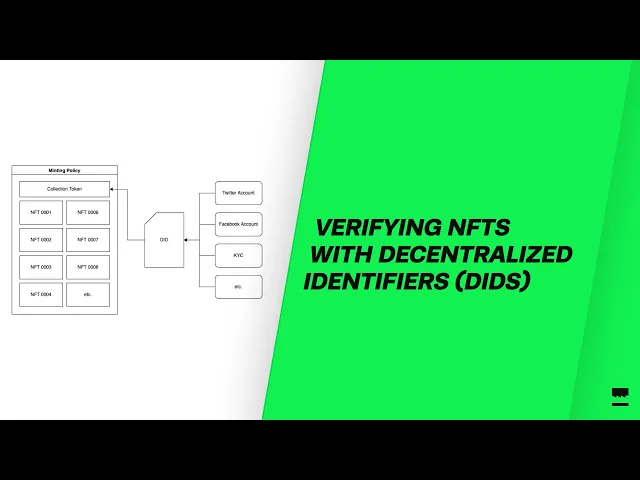
Verifying NFT collections with Decentralized Identifiers (DIDs)
NFTs: Digital Ownership Solutions for Creators
Non-Fungible Tokens (NFTs) are changing the game for creators, offering a solution to long-standing ownership challenges. By replacing traditional, centralized copyright systems with blockchain-based records, NFTs create permanent and verifiable ownership documentation.
NFT Basics and How They Function
At its core, an NFT acts as a digital certificate of authenticity stored securely on a blockchain. This certificate includes unique metadata - like the creator's identity, the creation date, and the ownership history - distributed across multiple computers, making it nearly impossible to alter.
The process of creating, or "minting", an NFT involves attaching specific details such as the file's hash, the creator's wallet address, and a timestamp to a blockchain ledger. Every transaction or transfer of ownership is then recorded on this ledger, ensuring a transparent history of the asset.
What sets NFTs apart from traditional digital files is their ability to track provenance. While anyone can make copies of a digital file like a JPEG, only one person can own the NFT tied to the original work. This feature allows creators to establish authenticity in a digital world where duplication is effortless.
NFTs are powered by smart contracts, which are programmable agreements embedded into the blockchain. These contracts can automate processes like royalty payments, restrict usage rights, or unlock special features based on specific conditions.
Main NFT Benefits for Content Creators
NFTs don't just provide secure record-keeping - they offer creators a range of practical advantages.
One standout benefit is automated royalty payments. In traditional licensing setups, creators often deal with complicated contracts and delayed payouts. NFTs simplify this by allowing creators to program royalties directly into smart contracts. This means they automatically receive a percentage of every resale, ensuring a steady income stream without relying on intermediaries or legal enforcement.
Another advantage is the cross-platform portability of NFTs. Once an NFT is purchased, it can be moved across various marketplaces, games, or applications that support the same blockchain standard. This gives creators more freedom to choose where and how their work is displayed and sold.
NFTs also offer programmable access controls, enabling creators to use their tokens for exclusive perks. For example, owning a specific NFT might grant fans early access to new releases, entry into private communities, or even backstage passes to virtual events.
Beyond these features, NFTs promote transparent ownership, making it harder for scammers to profit from stolen content. The blockchain’s public ledger allows anyone to verify ownership, reducing impersonation risks and empowering creators to sell directly to their audience without relying on platform algorithms.
Lastly, NFTs enable fractional ownership, letting creators divide high-value works into smaller shares that can be sold to multiple collectors. This approach not only makes expensive digital art more accessible but also allows creators to receive larger upfront payments by distributing ownership among several buyers.
Decentralized Identity: Creator Control Solutions
NFTs have revolutionized ownership in the digital world, but creators still grapple with issues like verifying their identity and managing their reputation online. Traditional platforms often require personal details for identity checks, which can be vulnerable to misuse or breaches. Enter Decentralized Identity (DID) - a system that gives creators control over their digital identity. This approach sets the stage for the technical workings we'll explore below.
Decentralized Identity Explained
Decentralized Identity shifts the power from centralized platforms to individuals, enabling self-managed identity verification. Instead of relying on third-party services, DID leverages blockchain technology to create secure, self-controlled identity records.
Here’s how it works: A DID uses cryptographic keys to authenticate your identity. It generates a unique identifier tied to your blockchain address. For instance, an Ethereum-based DID might look like did:ethr:0x1234...abcd, directly linking your identity to your wallet.
Your cryptographic keys and verification methods are stored securely in a DID Document, which lives on the blockchain via smart contracts. Unlike traditional systems where companies hold your data, you decide what information to share and with whom.
Verification is both secure and straightforward. Using your wallet, you sign a cryptographic challenge with your DID’s private key. This allows verifiers - such as NFT marketplaces - to confirm your identity without needing access to personal data. The result? You can prove who you are without compromising sensitive information.
Connecting DID with Digital Assets
By integrating DID with NFTs, creators gain even more control and flexibility. Linking your DID to your NFT wallet establishes verifiable credentials that can travel with your digital assets across platforms and marketplaces.
Here’s what this looks like in practice: A creator registers a DID linked to their NFT wallet address. When minting an NFT, they can attach verifiable credentials, such as proof of authenticity or timestamps of creation. These details become part of the NFT’s permanent record, solidly connecting the creator’s verified identity to their work.
This verification process is seamless during transactions. Marketplaces can use tools like ERC-1056 registries to instantly validate both the creator’s identity and the NFT’s origin.
The benefits are clear. Creators maintain a portable reputation that follows them across platforms. Whether you’re selling on one marketplace today or switching to another tomorrow, your verified credentials and history remain intact. You’re no longer tied to a single platform’s verification system or at risk of losing your reputation if a service shuts down.
Moreover, DID integration opens up new possibilities for creators. For instance, you can set programmable access controls for your NFTs, granting special features or content to holders who meet specific DID-verified criteria. This system not only simplifies verification but also ensures creators retain consistent control over their digital identity and reputation.
AI and Blockchain: Better Creator-Fan Connections
Blockchain technology ensures creators maintain ownership through NFTs and decentralized identity, while AI enables constant, meaningful fan interactions. Together, these technologies create a secure and engaging ecosystem where creators can connect with fans authentically.
AI platforms are designed to facilitate 24/7 interactions that reflect a creator's unique voice. By pairing this with secure identity verification, tools like TwinTone are redefining how creators and fans interact, bringing a personal touch to digital connections.
TwinTone's Verified Fan Experience Features
TwinTone combines cutting-edge AI with secure identity systems to offer interactive digital twins that allow creators to connect with fans in real time. These digital twins enable creators to engage through lifelike video calls and live streaming, all while maintaining their authentic personality.
Some standout features of TwinTone include:
Emotion-aware AI video calls: These calls adapt to emotional cues, creating more personal interactions.
Cross-platform live streaming: Seamlessly broadcast across multiple platforms to reach a broader audience.
Multilingual support: Break language barriers and connect with fans worldwide.
Interactive gaming experiences: Add a playful element to fan engagement, making interactions more dynamic.
These features not only enhance fan engagement but also pave the way for creators to have greater control over their revenue streams.
Creator Revenue Control and Monetization
TwinTone’s Creator Plan, priced at $99 per month, empowers creators to take full control of their earnings. This plan includes a custom AI agent, 30 minutes of video interactions, unlimited text-based engagement, and cross-platform live streaming. Creators also benefit from built-in analytics and API integration, making it easier to fine-tune their digital strategy while retaining 100% of their revenue. With these tools, TwinTone ensures creators have the freedom to manage their presence and earnings on their terms.
Centralized vs. Decentralized Models: Side-by-Side Analysis
When it comes to managing identity and assets, centralized and decentralized systems take very different approaches. Centralized platforms handle content hosting, payments, and overall infrastructure, making them convenient. But blockchain-based decentralized systems are changing the game by giving creators direct control over their work and digital identities.
Centralized systems act as intermediaries, controlling a creator's online presence. While they offer ease of use and access to large audiences, they come with trade-offs. Creators risk losing control over their content, revenue, or audience if platform policies change unexpectedly.
On the other hand, decentralized systems use blockchain technology and smart contracts to give creators ownership of their digital assets and identities. These systems do require some technical know-how - like managing digital wallets and cryptographic keys - but they give creators more control over monetization, privacy, and audience relationships. The key difference boils down to control: centralized platforms hold the keys to the infrastructure, while decentralized systems let creators manage their assets and transactions directly. This contrast builds on earlier discussions about NFTs and decentralized identity, highlighting how control is distributed.
Comparison Table: Centralized vs. Decentralized Systems
Here’s a quick breakdown of how centralized and decentralized systems stack up:
Factor | Centralized Systems | Decentralized Systems |
|---|---|---|
Control | Platforms manage content, audience data, and monetization rules | Creators maintain ownership via blockchain credentials |
Privacy | Platforms control and monetize user data | Data sharing is creator-controlled for better privacy |
Portability | Content and audience are tied to one platform | Assets and identities can move across platforms seamlessly |
Fraud Resistance | Relies on platform verification, which can be vulnerable | Cryptographic proofs reduce risks of forgery and fraud |
Revenue Retention | Platforms take significant commissions | Creators keep most revenue, minus minimal network fees |
Censorship Risk | Higher risk of content removal or account bans | Resistant to censorship through distributed storage and blockchain verification |
Technical Complexity | User-friendly with minimal technical skills required | Requires knowledge of wallets, keys, and blockchain basics |
Market Maturity | Established, with large user bases | Still growing, with evolving communities and adoption rates |
Decentralized systems are clearly shifting the balance of power toward creators. However, they do come with a learning curve. Creators need to guide their audiences on how to use tools like digital wallets, as these systems involve more steps than simply clicking "follow."
Another big advantage of decentralized platforms is portability. For established creators, this means they don’t have to start from scratch when switching platforms. Blockchain-based credentials allow them to transfer their verified identity, content ownership, and even fan relationships, making transitions much smoother.
Security is another crucial factor. Centralized platforms often attract hackers due to their large databases of sensitive information. Decentralized systems, by contrast, spread data across blockchain networks, significantly lowering the risk of large-scale breaches. With cryptographic proofs, creators can securely establish ownership of their identity and assets.
Conclusion: What's Next for Creator Ownership and Identity
The world of creator ownership and identity is evolving at a rapid pace. NFTs have shifted from being mere speculative art pieces to becoming tools with real-world utility, offering creators secure ownership and consistent revenue streams. At the same time, decentralized identity solutions are laying the groundwork for digital trust, empowering creators to manage their online presence without depending on centralized platforms.
The numbers back this transformation: the global NFT market is expected to hit $231.98 billion by 2030, growing at an annual rate of 33%. By 2025, 30% of new NFT projects are predicted to incorporate AI. Together, NFTs, AI, and decentralized identity are shaping a future where digital assets are more functional and programmable than ever.
The rise of these technologies signals a shift toward creator empowerment. While the total NFT trading volume has declined from its peak, the number of active NFT traders rose by 20% in Q2 2025 compared to earlier periods. This shows a growing interest in NFTs at more practical price points, with creators and fans focusing on utility rather than speculation.
For creators, this means greater control over how they monetize their work and connect with their audience. Companies like TwinTone are leading the way by combining AI-powered digital twins with blockchain-based verification. This allows creators to engage with fans authentically, around the clock, while retaining 100% of their earnings - all backed by cryptographic proof of ownership and identity.
Decentralized systems are redistributing power, giving creators freedom from algorithm changes, shifting platform policies, and revenue-sharing models that favor intermediaries. Blockchain technology ensures verified identities and ownership remain portable, enabling creators to maintain control across platforms. This shift is also opening doors for AI and blockchain to redefine how creators and fans interact in the future.
The potential is enormous. For example, the Web3 gaming market, currently valued at $4.6 billion, is projected to grow to over $65 billion by 2027. Creators who establish their decentralized identities and adopt NFT-based ownership early will be well-positioned to seize these opportunities.
The future will belong to creators who embrace decentralized tools and AI-driven engagement platforms. While there’s a learning curve - like mastering digital wallets and blockchain basics - the rewards, including greater control, higher revenue retention, and creative independence, make the effort worthwhile. As creators adopt these new models, the digital content landscape will become more secure and firmly controlled by those who create it.
FAQs
How do NFTs ensure creators receive royalties from future sales?
NFTs leverage smart contracts to streamline royalty payments automatically whenever the asset changes hands. This setup allows creators to earn a cut from every resale, eliminating the need for traditional licensing systems or middlemen. By embedding these terms directly into the NFT, creators secure a steady and transparent income, ensuring their work keeps generating revenue long after the initial sale.
How do decentralized identity systems benefit creators and improve security compared to traditional platforms?
Decentralized identity systems put creators in the driver’s seat when it comes to their personal data. Instead of being at the mercy of centralized platforms, creators can control who gets access to their information and decide when to share it. This approach reduces the chances of unauthorized access or misuse, giving creators peace of mind.
These systems also boost security by getting rid of single points of failure. Using blockchain technology and advanced encryption, they safeguard data against breaches and theft. For creators, this translates to stronger protection for their brand and personal details, all while maintaining trust and credibility with their audience.
How can AI platforms like TwinTone help creators connect with fans while keeping full control of their earnings?
AI platforms like TwinTone are changing the game for creators, making fan interactions more personal and engaging than ever. With tools like AI-powered digital twins, creators can connect with their audience through video calls and live streams, offering experiences that feel intimate while remaining scalable.
What truly makes TwinTone stand out is how it allows creators to earn directly from these interactions. By cutting out third-party platforms, creators keep 100% of their revenue, giving them full control over both their brand and their income. This approach not only deepens connections with fans but also ensures creators stay in charge of their financial success.