Integrating Abuse Detection with Platform APIs
How to build a futureproof relationship with AI

API abuse is a growing threat, targeting systems through bots, business logic flaws, and high-volume automated interactions. It can lead to data theft, credential breaches, and compliance violations. To counter this, platforms need real-time abuse detection that monitors API behavior, identifies anomalies, and responds instantly. However, implementing such systems presents challenges like maintaining performance, reducing false positives, and ensuring regulatory compliance.
Key takeaways:
Real-time monitoring can detect threats like gradual data theft or credential misuse.
Performance impact: Abuse detection can add 50-200ms latency, requiring tiered strategies to reduce delays.
False positives: Behavioral analysis helps distinguish legitimate activity from abuse.
Compliance: Systems must handle sensitive data carefully under GDPR, CCPA, and similar laws.
Effective systems combine behavioral analysis, real-time alerts, and detailed logging while balancing speed, accuracy, and privacy. By prioritizing key metrics like detection accuracy, response times, and API performance, platforms can secure their ecosystems without disrupting users.
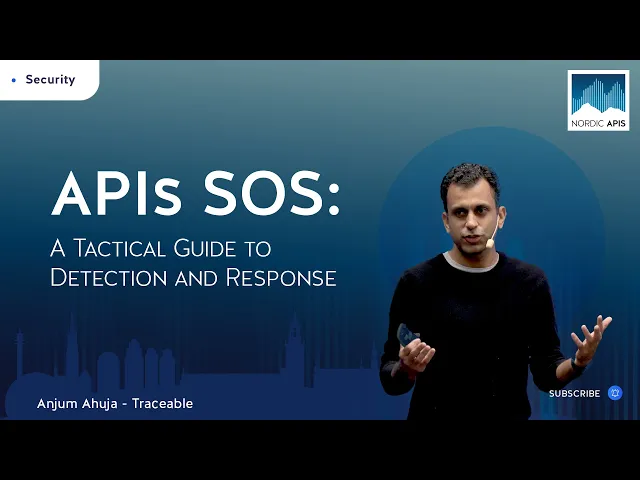
APIs SOS: A Tactical Guide to Detection and Response
Challenges in Integrating Abuse Detection with APIs
Integrating abuse detection into your API infrastructure brings a host of technical and operational hurdles. These challenges can impact platform performance, user experience, and compliance with regulations. Since real-time detection is a must, understanding these issues is key to keeping your platform secure and efficient. Below, we’ll explore some of the primary challenges affecting system performance, detection accuracy, and regulatory compliance.
Performance and Latency Issues
When users interact with your APIs, every millisecond matters. Adding abuse detection systems introduces an extra step where each request is inspected before reaching your backend. This process - covering tasks like behavioral analysis, pattern matching, and data validation - can add between 50 and 200 milliseconds to each API call. For high-traffic platforms handling thousands of requests per second, this delay can quickly become noticeable to users.
To maintain acceptable response times - typically under 100 milliseconds for consumer-facing APIs - a tiered detection strategy is essential. Start with quick checks like IP reputation lookups and basic rate limiting, which are fast to process. Then, reserve more resource-intensive AI analysis for requests flagged as suspicious during the initial screening. This way, you avoid running complex algorithms on every single request.
Using distributed gateways and edge computing can also help by performing initial abuse detection closer to the user. This reduces round-trip times and minimizes latency.
Balancing Accuracy and False Positives
False positives can erode user trust. Imagine a developer testing a new feature or a user migrating data - if their activity triggers abuse alerts, they might face blocked requests, rate limits, or even account restrictions, despite doing nothing wrong.
To address this, behavioral analysis that establishes baseline activity patterns for each user or application can significantly reduce false positives. This approach accounts for the fact that legitimate usage varies across users. Instead of applying rigid, one-size-fits-all rules, the system learns what’s normal for each individual and flags only genuine deviations.
High-precision blocking mechanisms that incorporate behavior and context - rather than relying on static signatures - can maintain accuracy while cutting down on false alarms. Adaptive measures, like CAPTCHA challenges or re-authentication, offer legitimate users a way to verify themselves, ensuring protection without unnecessary disruptions.
Layered defenses with varying sensitivities also improve detection. By combining multiple detection methods, you can catch abuse more effectively without overwhelming legitimate users. However, fine-tuning accuracy isn’t the only concern - meeting data privacy regulations adds another layer of complexity.
Data Privacy and Regulatory Compliance
Detecting abuse often requires collecting detailed information about each API request, such as user identifiers, IP addresses, and request parameters. These logs can include personally identifiable information (PII), which is subject to privacy laws like GDPR in the European Union and CCPA in California. These regulations dictate what data you can collect, how long you can retain it, and how it can be used.
For example, logging events like authentication failures or unusual access patterns is critical for identifying threats like credential stuffing or cross-tenant enumeration. A sudden spike in 403 (forbidden) responses from a single token might signal an attempted breach. However, these logs often contain sensitive user data, triggering strict privacy obligations.
To stay compliant, follow data minimization principles: collect only the information you truly need. Hashing or anonymizing user identifiers in logs can help reduce privacy risks. Implement retention policies that balance forensic needs with regulatory requirements, and send logs off-box in real-time to prevent unauthorized access and lower the risk of breaches.
Role-based access controls are another safeguard. Restricting log access to authorized personnel based on their job roles helps reduce the risk of internal misuse and ensures compliance with data access regulations.
Machine learning models for abuse detection introduce additional privacy concerns. These models rely on API traffic data for training, but without explicit user opt-in, some advanced detection features won’t work. When users do opt in, ensure that their data is used only for training purposes and isn’t shared with other customers. This guarantees alignment with your privacy commitments while enabling effective detection.
Core Components of an Abuse Detection System
Creating an effective abuse detection system involves combining several key components. Each plays a critical role in spotting threats, responding to incidents, and enhancing platform security - all while ensuring minimal impact on legitimate users.
Behavioral Analysis and Anomaly Detection
Behavioral analysis focuses on continuously monitoring API request patterns, timing, and data access to identify unusual activity. For example, one company successfully blocked a bot farm after detecting sequential item lookups that genuine users would never perform.
Machine learning models add another layer of sophistication by adapting to evolving threats and spotting subtle signs of malicious behavior, such as API scraping or other irregularities. These models rely on opt-in training to safeguard user data.
To establish effective baselines, systems need to track key metrics like request frequency, error rates, latency, and data extraction volumes. Monitoring authentication events, authorization failures, input validation errors, and unexpected usage spikes ensures that normal variations - like peak hours or seasonal trends - are accounted for. Once anomalies are flagged, real-time monitoring systems kick in to deliver instant alerts and enable a swift response.
Real-Time Monitoring and Alerts
Real-time monitoring tools are essential for catching threats as they happen. These systems track breaches in key metrics and maintain detailed logs of API interactions to identify suspicious activities. With the ability to monitor over 40 API-specific data points per request, modern tools help teams detect anomalies such as sudden traffic surges or frequent failures before they escalate.
Automated alerts, sent via notifications or emails, allow security teams to act quickly. Customizable alerts - configured for specific triggers like a rapid increase in requests - give teams additional time to investigate and address potential abuse. For instance, Google Cloud's Advanced API Security provides dashboards that display overall traffic, top detection rules, and risk levels, helping teams focus on the most critical incidents.
Integrating monitoring at the network perimeter through Content Delivery Networks (CDNs) improves visibility by intercepting suspicious traffic before it reaches backend servers. Platforms that observe user interactions throughout the customer journey can also detect anomalies at exposed API endpoints, further strengthening security. By correlating API monitoring data with cloud-native security events, teams gain a more complete understanding of their environment. Combined with detailed logging and analytics, this approach enhances threat detection and response capabilities.
Logging and Analytics for Threat Analysis
Logs are invaluable for investigating abuse incidents, offering the historical context needed to identify attack patterns, refine detection methods, and meet regulatory requirements. Centralizing API logs in a Security Information and Event Management (SIEM) system allows for effective correlation and anomaly detection, as well as alerts for suspicious behavior.
It’s crucial to log all key activities, including authentication events, access attempts, failures, and sensitive operations, with precise timestamps and source details. Adding information like IP addresses, token IDs, and request fingerprints enriches these logs, providing deeper insights for threat analysis. Using machine learning models to group similar events automates incident clustering, helping security teams prioritize the most pressing threats.
Advanced analytics can uncover nuanced abuse patterns. For example, a system might detect API calls that follow the correct sequence but reveal inconsistencies between related entities - an indicator of business logic abuse. These sophisticated attacks often evade traditional signature-based systems. Maintaining an API inventory that tracks endpoint ownership, data classification, and exposure is also critical for identifying high-risk shadow endpoints. Finally, protecting log integrity through real-time off-box transmission and retention policies aligned with forensic and regulatory standards reduces the risk of unauthorized access and ensures compliance. Comprehensive logging not only supports incident response but also helps safeguard legitimate user activity with minimal disruption.
Best Practices for API Abuse Detection Integration
Integrating abuse detection into your platform’s APIs demands careful planning, a solid architecture, and a focus on security. The goal is to ensure your detection systems run smoothly without slowing down legitimate users or creating unnecessary barriers.
API Gateway Setup and Configuration
The API gateway acts as your first line of defense against abuse, so its setup is critical. Rate limiting is a must - it helps manage request frequency and prevents attacks that could overwhelm your backend systems. Set thresholds based on typical usage patterns to block unusual traffic spikes while keeping things seamless for regular users.
Routing all incoming requests through real-time behavioral analysis is another key step. To avoid slowing things down, try running detection processes asynchronously whenever possible. This way, you can maintain quick response times for genuine users while still analyzing requests for suspicious behavior.
Security policies should be consistent across all APIs. Input validation and sanitization are essential to block injection attacks. Use schema enforcement to reject invalid or unexpected inputs, especially for APIs handling sensitive data like text, files, or images. This approach helps shield your systems from malicious payloads, such as adversarial inputs or prompt injection attempts.
During attacks, prioritize resources for critical services like authentication and payment APIs over less essential endpoints like analytics. Additionally, integrating threat intelligence feeds can help block known malicious IPs proactively.
Webhook and Callback Systems
Webhooks and callbacks add another layer of defense by enabling automated responses to detected abuse.
When abuse is flagged, webhooks should alert your security team through multiple channels. This ensures that critical notifications reach the right people, no matter where they are. Callbacks can then execute containment actions based on the severity of the threat. For example, high-confidence threats might trigger immediate actions like blocking requests from specific IPs, isolating suspicious tokens, or adding challenges for risky users. Lower-confidence cases can prompt alerts for manual review.
To enhance detection, define custom alert rules for specific abuse patterns. Include enriched context in webhook payloads - such as IP addresses, token IDs, and behavioral anomalies - to streamline investigations. A tiered response system is also helpful. For instance, low-risk incidents might just generate logs, medium-risk ones could trigger temporary blocks, and high-risk threats might result in immediate IP bans and token revocations.
Ensure your webhook system is resilient with retry logic and dead-letter queues. If a webhook fails, retries should use exponential backoff, and failed attempts should be logged in a dead-letter queue for review. Keep detailed audit logs of all automated actions to support compliance and forensic analysis.
Role-Based Access and Zero Trust Security
Strict access controls are vital to protect your API ecosystem, especially when integrating abuse detection. A Zero Trust approach ensures that every API request is authenticated and authorized, regardless of its origin. This is crucial to prevent abuse from compromised credentials or overprivileged access.
Use OAuth 2.0 scopes or Attribute-Based Access Control (ABAC) to limit token permissions to only what’s necessary. For APIs managing sensitive tasks like training data uploads or administrative functions, separate permissions by role. This minimizes the impact of compromised credentials.
All API consumers, including internal ones, should undergo strict authentication. Multi-factor authentication (MFA) should be mandatory for administrative access to abuse detection systems. Internal APIs often receive less scrutiny but can be a significant risk if exploited.
Implement API key rotation policies and monitor usage patterns in real-time. Unusual activity - such as requests from a new location, accessing unexpected endpoints, or operating at odd hours - should trigger immediate investigations. These measures ensure compromised keys are quickly identified and neutralized.
Behavioral analysis and device fingerprinting can help establish a baseline for each user or service. Deviations from these patterns can signal potential abuse, even if the attacker uses valid credentials.
Maintain a complete inventory of all APIs, including their owners, data classifications, and exposure levels. Retire outdated or unused endpoints promptly, as they are common targets for attackers. Shadow APIs, which often lack documentation, are particularly vulnerable to exploitation.
Finally, apply the principle of least privilege to abuse detection systems. Limit permissions to what’s strictly necessary and audit access to logs and configuration settings regularly. Role-based access controls (RBAC) are crucial here. For example, developers might only need read-only access to view incidents, while security engineers require full control over configurations. This separation reduces risks from insider threats or accidental misconfigurations.
Measuring Abuse Detection Integration Success
Once your abuse detection system is active, the next step is figuring out how well it’s performing. Success isn’t just about catching bad actors - it’s about evaluating your system’s accuracy, its impact on users, and whether it aligns with regulatory standards.
Detection Accuracy and Response Times
Two critical metrics for measuring effectiveness are detection accuracy and how minimally the system disrupts legitimate users. Accuracy involves two key measures: precision, which tells you the percentage of flagged requests that are actual abuse, and recall, which shows how many real abuse incidents are being caught. Striking the right balance between these metrics depends on your specific needs.
To get a full picture of accuracy, track true positives, false positives, and false negatives. This helps differentiate between harmless anomalies and genuine threats. Establishing a baseline is crucial for this kind of analysis.
Response time is another vital area to monitor. Metrics like mean time to detection (MTTD) and mean time to response (MTTR) reveal how quickly your system identifies and addresses threats. For high-severity cases, rapid response - often within seconds or minutes - is critical. For instance, one company detected a cross-tenant enumeration attempt by identifying unusual spikes in 403 (Forbidden) responses from a single token.
The effectiveness of your alerting system also hinges on alert accuracy - the percentage of alerts that uncover real issues. Too many false alarms can overwhelm your team and lead to missed risks. Automated alerts should be delivered through tools like IDEs, email, or Slack to ensure quick action. Track how many alerts trigger automated responses versus manual investigations, and measure how quickly your team acknowledges and resolves these alerts.
Before implementing your system, establish baseline metrics to compare post-integration performance. Focus first on high-risk incidents, as they typically have higher confidence levels than low-risk detections.
Impact on API Performance
An effective abuse detection system shouldn’t bog down your APIs or frustrate users. To measure its impact, monitor key performance metrics before and after integration.
Pay close attention to average response times and the 95th/99th percentile latency. These higher-percentile metrics can highlight performance issues under heavy load that average response times might miss. If your 99th percentile latency increases significantly post-integration, it could signal a problem for your most demanding users.
Keep an eye on error rates, system availability, and resource usage like CPU, memory, and bandwidth. These metrics help assess the cost of scaling your detection system. Performance testing should simulate abuse scenarios such as traffic spikes, distributed requests, and sustained attacks to evaluate how well the system handles edge cases without disrupting legitimate users.
To ensure critical services like authentication or payment APIs remain unaffected during attacks, use tiered resource allocation. This approach prioritizes essential services over less critical ones. Additionally, integrating detection at the edge through CDNs can reduce latency and provide real-time threat visibility, protecting your backend infrastructure.
Compliance and Audit Readiness
Beyond performance, abuse detection systems play a key role in meeting regulatory standards like GDPR, CCPA, and PCI-DSS. To measure compliance, implement automated checks that scan API requests for violations and alert your team when issues arise. Key compliance metrics include the percentage of API requests validated for data protection, the number of violations detected and resolved, and the completeness of audit logs.
Logs should record key events - authentication, access attempts, failures, and sensitive operations - along with timestamps and source details. Store these logs in SIEM systems and send them off-box in real-time to prevent tampering. For AI-driven APIs, monitor for API drift, which compares live behavior to approved specifications, and maintain version control with enforced code reviews for any changes.
Maintaining an API inventory is essential for audit readiness. This inventory should detail every API, its owner, data classification, and exposure level. It should also identify shadow or deprecated APIs, common targets for attackers. Document API calls thoroughly and conduct manual penetration tests after significant updates.
Measure audit trail completeness by tracking the percentage of API requests with full logging, the time required to retrieve logs for investigations, and any gaps in the data. Your system should provide detailed insights, such as detection rules, detection dates, and traffic attributes tied to IP addresses and API keys.
Integrating static and dynamic application security testing (SAST/DAST) into your CI/CD pipelines ensures compliance checks are automated during development. Seamless integration with existing security tools builds a multi-layered defense across your systems.
Finally, use quarterly business reviews to compare actual incidents prevented against projected threats. This helps demonstrate the value of your system in protecting revenue-generating APIs. Calculate the system’s total cost - including setup, maintenance, and personnel - against the value of incidents prevented to clearly show ROI.
Conclusion
Incorporating abuse detection into platform APIs is a crucial step in safeguarding creators, brands, and users. With platforms constantly facing threats that could jeopardize creator content, brand assets, and user trust, these measures are key to ensuring security and enabling swift threat response.
An effective approach blends behavioral analysis, real-time monitoring, and comprehensive logging to identify even the most advanced abuse patterns while keeping the experience seamless for legitimate users. Real-time monitoring, for example, can reduce threat response times from hours to just minutes. This means creators can protect their intellectual property and AI-generated content from unauthorized use, while brands can confidently maintain the authenticity of their user-generated content and live product presentations.
Technical strategies such as edge deployment and automated compliance checks provide ongoing security while adhering to regulatory requirements. Regularly tracking metrics like detection accuracy, response times, and API performance ensures these security measures are effective without causing slowdowns. Additionally, maintaining audit trails that comply with regulations like GDPR, CCPA, and PCI-DSS not only supports legal obligations but also highlights the value of these measures in preventing data breaches and minimizing downtime.
FAQs
How can platforms ensure real-time abuse detection without compromising API performance or user experience?
Balancing real-time abuse detection with API performance is no small feat - it demands careful system planning and execution. One effective strategy is leveraging machine learning models that are fine-tuned for both speed and precision. These models can process data in real time, flagging potential abuse without introducing noticeable delays for users.
Another key tactic is implementing rate limiting and prioritized processing. These methods help control API traffic, ensuring that essential abuse detection tasks are completed swiftly while preventing system overload.
Equally important is investing in a scalable infrastructure. This ensures the platform can handle surges in traffic during peak times without compromising performance. To keep everything running smoothly, regular monitoring and adjustments to detection algorithms are crucial. This not only reduces false positives and negatives but also strikes the right balance between maintaining security and delivering a smooth user experience.
How can I minimize false positives in API abuse detection while staying compliant with data privacy laws?
Reducing false positives in API abuse detection requires a mix of smart data analysis and well-thought-out system design. One effective approach is to use machine learning models that can keep up with changing abuse patterns. These models help differentiate between normal user behavior and malicious activity. By regularly updating them with real-world data, you can improve their accuracy over time.
It's also crucial to prioritize data privacy. Focus on anonymizing user data and only collect what’s absolutely necessary for detecting abuse. Regular audits are key to ensuring your processes comply with regulations like GDPR or CCPA, keeping your system both effective and lawful.
Partnering with skilled developers and using tools built for scalable abuse detection can make your system more reliable while maintaining the trust of your users.
What are the essential parts of an API abuse detection system, and how do they work to protect platform security?
A strong system for detecting API abuse usually includes three key elements: real-time monitoring, behavioral analysis, and automated response mechanisms. Together, these tools help spot unusual activity, flag potential misuse, and act quickly to reduce risks.
Real-time monitoring keeps an eye on API usage patterns to catch anything out of the ordinary, like sudden traffic spikes or attempts to access data without proper authorization. Behavioral analysis, often powered by machine learning, identifies questionable actions - such as repeated failed logins or strange data requests - that could signal abuse. Meanwhile, automated responses - like limiting usage rates or temporarily blocking access - kick in to address threats instantly, all while keeping disruptions for legitimate users to a minimum.
When these components work together, they help safeguard platforms, protect user data, and uphold trust in the service.