Dynamic Pricing Trends in the Creator Economy
How to build a futureproof relationship with AI
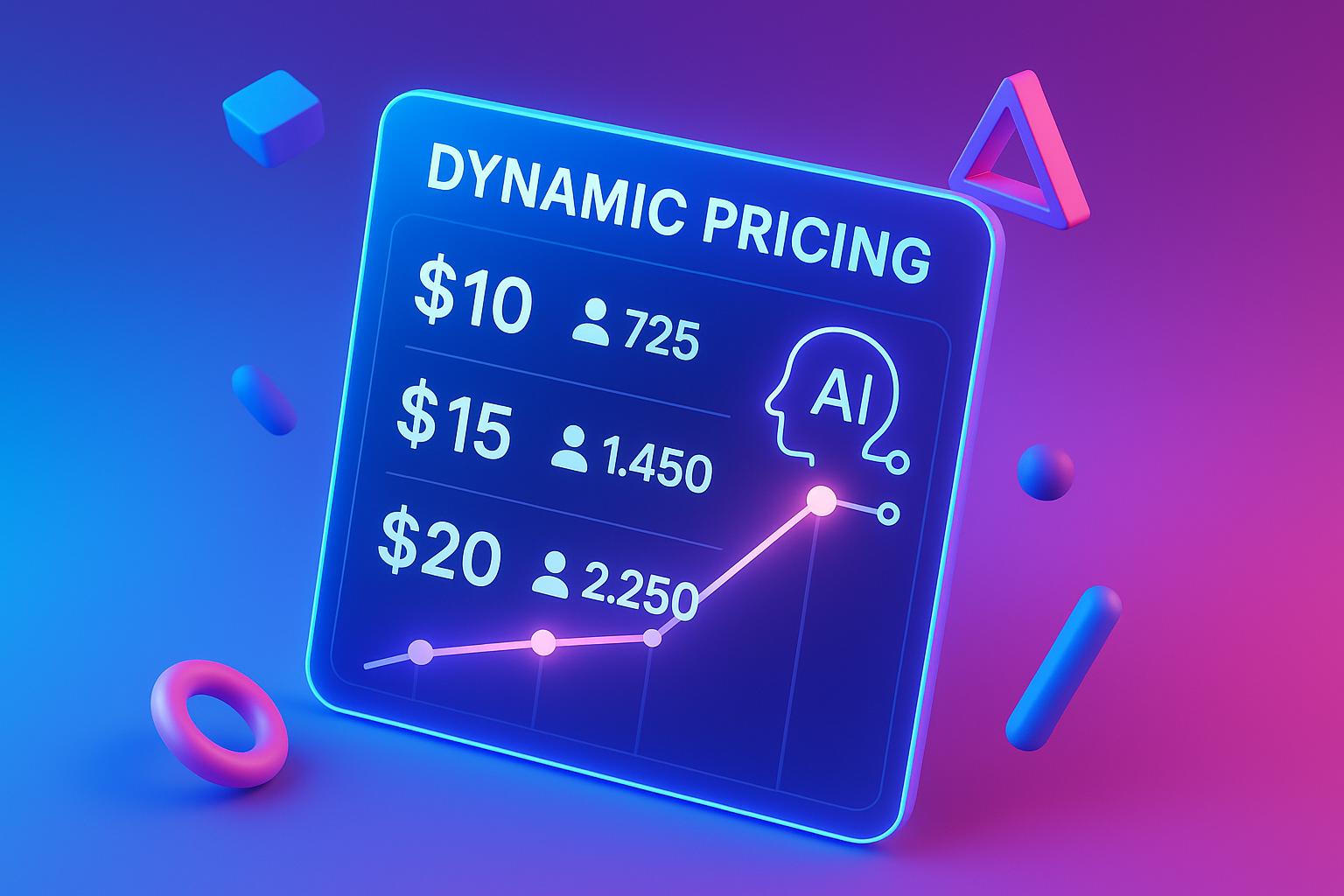
Dynamic pricing is transforming how creators earn money by adjusting prices based on demand, timing, and exclusivity. This approach is gaining momentum as creators shift from ad revenue to direct fan monetization. Key strategies include:
Time-Based Pricing: Early-bird discounts or flash sales to encourage quick purchases.
Tiered Memberships: Offering multiple subscription levels with varying perks, catering to different fan budgets.
Demand-Driven Pricing: Adjusting costs for limited-edition content, live events, or exclusive experiences based on audience interest.
AI tools now make dynamic pricing easier by analyzing fan behavior, engagement, and sales data to suggest optimal price points. These tools automate pricing adjustments, allowing creators to focus on content while maximizing revenue.
However, challenges remain. Creators must balance revenue growth with fan trust, avoid sudden unexplained price changes, and ensure transparency to maintain loyalty. Ethical concerns around AI-driven pricing, such as potential bias, also require careful management.
Dynamic pricing is reshaping the creator economy, projected to grow from $250 billion in 2023 to $480 billion by 2027. By testing small pricing experiments and leveraging AI tools, creators can stabilize income, boost engagement, and diversify their revenue streams.
Dynamic Pricing Models for Creators
Creators are moving away from flat-rate pricing and embracing flexible models to cater to diverse fan demands. These strategies generally fall into three categories: time-based pricing, tiered memberships, and demand-driven pricing for exclusive experiences. Each model plays a distinct role in shaping a creator's revenue strategy. Let’s dive into how these models work and their practical applications.
Time-Based and Early Access Pricing
Time-based pricing adjusts what fans pay based on when they make a purchase. One popular example is early-bird pricing, where fans who act quickly enjoy discounted rates before prices rise closer to a deadline or when a set number of spots are sold.
For instance, a creator might offer a new membership program at $5/month for the first 500 "founding members" and then increase the price to $8/month for everyone else. Similarly, tickets for a live virtual event might start at $10 for early buyers and jump to $20 in the final week. This setup rewards fans who commit early while allowing creators to earn more from last-minute buyers.
Flash sales are another effective time-based tactic. These are short-term discounts - lasting 24 to 72 hours - on memberships, courses, or content bundles. They create urgency and boost sales without permanently lowering the value of the content.
Platforms like Substack encourage creators to use "founding member" pricing, which targets superfans willing to pay extra for early access and recognition. These members often receive perks like lifetime benefits or special acknowledgments for their support, setting them apart from standard subscribers.
Data shows that early-bird promotions can account for 30–50% of total sales when paired with clear deadlines and countdowns. Fans who buy early also tend to stay engaged longer, making this pricing model valuable beyond just the initial sales surge.
Next, let’s explore how tiered memberships refine audience segmentation.
Tiered and Personalized Membership Pricing
Tiered memberships allow creators to offer multiple subscription levels, each with its own price and set of benefits. Instead of a single price point, creators typically create 3 to 5 tiers that cater to varying levels of fan engagement.
For example:
Entry level: $3–$5/month for basic perks like ad-free content or bonus posts.
Supporter tier: $8–$15/month, including extras like live Q&As or behind-the-scenes content.
Premium tier: $25–$50/month, offering direct interaction with the creator.
VIP tier: $50+/month for highly personalized perks like 1:1 calls or custom content.
Platforms like Patreon report that creators with multiple tiers earn more, as 5–10% of fans often opt for the higher-priced options. The key is to ensure each tier offers distinct, clearly valuable benefits. Overlapping or vague perks can confuse potential subscribers and hurt conversions.
Tiered pricing becomes even more dynamic when creators use engagement data to personalize offers. For example, tools can analyze fan behavior - like watch time, comments, or attendance at live streams - to identify superfans. These fans might receive targeted upsell offers, such as discounted upgrades to premium tiers. Similarly, at-risk subscribers could be offered temporary discounts or exclusive bundles to maintain their loyalty.
Another effective strategy is offering annual plans at a 10–20% discount compared to monthly payments. This approach improves cash flow, encourages long-term commitment, and reduces churn, as annual subscribers are less likely to cancel impulsively.
Finally, let’s look at how demand-driven pricing taps into real-time audience enthusiasm.
Demand-Driven Pricing for Exclusive Content and Events
Demand-driven pricing adapts based on scarcity, audience behavior, and real-time demand. This model is especially effective for limited content drops, live events, and exclusive experiences where supply is intentionally capped.
For example, creators might release a limited run of digital collectibles, exclusive tutorials, or backstage videos. Pricing could start low and increase as inventory sells out, or fans might bid in time-limited auctions for access. Some creators also use tiered scarcity levels - like "common", "rare", and "legendary" items - with prices reflecting their perceived value.
Live events provide another opportunity for demand-based pricing. Ticket prices might rise as attendance grows or as the event date nears. For workshops or meet-and-greets, creators often use tiered ticketing - offering standard, VIP, and ultra-VIP options with escalating perks and prices. This approach ensures superfans willing to pay more get premium experiences, while entry-level access remains affordable.
Pay-what-you-want (PWYW) pricing is another unique demand-driven strategy. Creators let fans set their own price for digital concerts, bonus content, or charity-linked events. Surprisingly, many fans pay more than a fixed low price, especially when shown suggested amounts like "Most fans pay $10–$15." Social proof, such as progress bars showing funds raised, further boosts contributions.
Studies on PWYW for digital products like music and games reveal that 30–50% of buyers voluntarily pay above the minimum when paired with social proof or charitable elements. In livestream commerce, McKinsey reports that time-limited promotions and scarce items can generate conversion rates up to 10x higher than standard e-commerce practices.
Auction-based pricing is another way to capture superfans’ willingness to pay. Fans might bid for 1:1 creator sessions, custom content, or exclusive collectibles. However, this approach requires careful communication to ensure transparency and fair expectations, as misunderstandings can erode trust.
Across all demand-driven models, clear communication is key. Fans are more likely to accept variable pricing when creators explain the reasons behind it - whether it’s limited supply, added production costs, or extra value. Being upfront about pricing rules, supply caps, and auction guidelines helps maintain trust while allowing creators to maximize revenue from fans with different levels of willingness to pay.
How Dynamic Pricing Affects Revenue and Engagement
Dynamic pricing has a direct impact on how much creators earn and how they connect with their audience. Insights from recent research and platform data show clear trends in revenue growth, audience retention, and engagement when pricing strategies are adjusted. These shifts play a significant role in stabilizing income and shaping audience behavior.
Revenue Growth and Stability
When used effectively, dynamic pricing strategies do more than just boost earnings - they also create a stronger bond between creators and their fans. For example, switching from a flat $4.99/month membership to a tiered system can raise the average revenue per user (ARPU) from $4.99 to $7.50 or more.
This approach also helps reduce the income instability many creators face. Those relying on ad revenue or sporadic brand deals often see monthly income swings of ±40%. By layering consistent subscription income with revenue from live events, product launches, and limited-time offers, creators can reduce these fluctuations to around ±15%. For instance, a creator might charge $4.99/month for a basic membership, $24.99/month for a premium community, higher rates for last-minute live event access, and premium prices for exclusive AI-generated content.
The shift to dynamic pricing can also diversify income sources. Take a creator who previously earned 70% of their revenue from ads, 20% from occasional brand deals, and 10% from tips. By introducing tiered memberships, early-bird event pricing, and limited digital product drops, their revenue mix could shift to 40% from memberships, 25% from live events, 20% from digital products, and 15% from AI/brand-related content.
Dynamic pricing shines during product launches too. A creator releasing a digital course might set three price tiers: $15 for early-bird buyers, $29 for the main promotion, and $49 for last-chance access. Each tier appeals to a different segment of buyers, maximizing total revenue. This strategy aligns with the rapid growth of the creator economy, which Goldman Sachs projects will expand from $250 billion to $480 billion by 2027, largely driven by direct fan monetization and diverse income streams.
Fan Retention and Price Perception
While dynamic pricing can increase revenue, it also requires careful handling to maintain fan loyalty. Fans’ perception of pricing changes plays a critical role in retention. Sudden, unexplained price hikes often lead to churn, but this doesn’t mean price increases are off the table - it’s all about transparency.
One effective approach is price grandfathering. When raising prices, creators can keep existing subscribers at their current rate while charging new members more. Communicating these changes clearly, such as explaining that higher prices cover enhanced production or added features, helps maintain trust.
Small price adjustments can also influence how fans categorize expenses. For example, keeping a tier at $19.99 instead of rounding up to $20 can make the price feel more affordable. Creators can further justify pricing differences by explaining why some fans pay less (e.g., early supporter discounts) and others pay more (e.g., VIP access). Introductory offers and locked-in legacy rates, like a $3.99 "founding member" tier, can boost long-term loyalty even if the ARPU is slightly lower, as these early supporters often become deeply engaged members of the community.
The real risk comes with aggressive price jumps that aren’t paired with clear value additions or communication. Such moves can erode trust, leading to cancellations and negative reactions.
Engagement During Pricing Campaigns
Dynamic pricing doesn’t just influence revenue and retention - it actively drives fan behavior, especially during time-sensitive campaigns and live events. For instance, early-bird offers and live price adjustments during streams can significantly boost engagement and sales.
Creators can set milestones during a live stream to encourage fan participation. For example, unlocking bonus content at $100 in tips or a private Q&A session at $300 can motivate fans to contribute. Similarly, offering limited slots for personalized experiences at dynamic prices can create urgency. A creator might sell a set number of personalized AI-generated messages, adjusting the price based on demand to encourage quick action. Early-bird pricing often sees conversion rates soar, with 60–70% of total ticket sales happening during this phase. For example, a workshop priced at $49 during the early-bird window (increasing to $79 later) might secure the majority of its sales early on.
Live event pricing also reveals interesting patterns. Early buyers lock in lower prices and commit to attending, while last-minute buyers, driven by the pressure of a deadline, often jump in at higher rates. This approach can lead to greater overall attendance compared to flat pricing. Flash sales during live streams - such as temporary discounts on digital products or memberships - can spike viewer numbers and interaction rates, as fans tune in specifically for these limited-time deals.
Clear communication about timing is key to maximizing engagement. For U.S.-based creators, specifying time zones is crucial. Phrases like "Offer ends Friday 11:59 p.m. PT" or "Early-bird pricing closes Thursday at midnight ET" help fans plan their purchases, ensuring they don’t miss out on deals.
AI and Automation in Dynamic Pricing
Artificial intelligence is changing the way creators and brands think about pricing. Instead of relying on guesswork or static rates, AI tools analyze engagement metrics to predict what fans are willing to pay and adjust prices automatically. These systems borrow ideas from e-commerce, like demand forecasting and A/B testing, but adapt them to creator-focused data points such as engagement per post, churn after price changes, and comment sentiment. This integration of AI into pricing opens the door to specialized tools and strategies, as explored below.
This shift is practical. AI-powered dashboards now suggest prices for subscriptions, pay-per-view content, and event tickets, while projecting their impact on revenue and engagement. Automation takes care of routine tasks, like increasing prices when inventory is limited or offering discounts when engagement dips. This allows creators to focus on their content instead of spending time on manual pricing experiments.
AI-Powered Pricing Tools
AI pricing tools offer features like automated recommendations, real-time demand tracking, predictive revenue simulations, and rules-based automations that adjust prices based on engagement or conversion thresholds.
To perform well, these systems need detailed data: audience demographics, location, device usage, historical sales trends, time-of-day and day-of-week performance, retention rates after price changes, and campaign metadata (e.g., which post drove a sale). For U.S.-based creators, tools display prices in familiar formats like $9.99 and align with common practices such as weekend promotions or holiday discounts.
Starting small is key. For example, test introductory versus standard prices on one membership tier or fine-tune early-bird pricing for live events while keeping core pricing stable. Set clear boundaries - like minimum and maximum prices or limits on how often prices can change each month - to avoid confusing fans who expect relatively stable subscription rates. AI tools can also integrate with existing platforms, like membership systems or Shopify stores, so creators can approve price changes with a single click instead of letting automation run entirely on its own.
Communication is critical. Posting updates about "launch pricing", "founding member" discounts, or limited-time offers helps manage fan expectations and reduces the chance of backlash when prices fluctuate. These principles are especially relevant for AI-generated content markets, where pricing can be continuously fine-tuned.
Dynamic Pricing for AI-Generated Creator Content
AI-generated content, such as 24/7 livestreams or automatically produced short videos, opens up new pricing possibilities thanks to its low production costs and high viewer demand. Usage-based and demand-driven pricing models work particularly well here. Common strategies include surge pricing for high-demand time slots (like evenings in U.S. time zones), bundling discounts for purchasing multiple videos or live sessions, and personalized offers based on fan interactions - such as tailored upsells for superfans who frequently comment or tip.
For continuous AI livestreams, pricing can adjust based on factors like viewer count, chat activity, or conversion rates during specific moments. Prices might increase during high engagement periods and drop during slower times to encourage participation. The AI system refines these offers by analyzing viewer behavior, aiming to maximize both watch time and revenue per viewer. For example, flash discounts might kick in automatically if viewers start leaving during a stream.
Brands using AI-generated content can also adjust pricing for sponsored segments based on predicted reach and live engagement. Fans may encounter variable prices for premium interactions - like priority Q&A, custom AI-generated shout-outs, or exclusive clips - depending on current chat activity or queue length. Since AI systems operate 24/7, pricing rules can shift based on time zones and audience habits, such as lowering prices during off-peak hours in the U.S. to boost engagement and raising them during prime time.
TwinTone Case Study

TwinTone has embraced these AI pricing strategies to transform content monetization. The platform allows creators to license their likeness as AI Twins, which produce branded content and host live streams automatically. This setup is ideal for dynamic pricing, as AI Twins operate continuously, offering endless opportunities to test and refine pricing in real time.
For instance, a creator working with TwinTone can host branded livestreams where pricing evolves dynamically - higher rates during product launches or viral moments, and discounts during quieter periods. Key metrics for decision-making include revenue per stream, conversion rates at different price points, fan retention after price changes, and engagement signals like likes, comments, and watch time. These insights allow for detailed A/B tests, such as comparing "standard versus premium AI Twin bundles" or "fixed versus variable pricing for live demos."
Over time, the AI learns which pricing strategies work best for U.S. audiences, factoring in local pay cycles, holidays, and major events like Black Friday. Brands benefit from more predictable returns on ad spend (ROAS) as the system adjusts prices to hit target acquisition costs while keeping offers appealing to fans. This supports both revenue growth and long-term engagement.
TwinTone also enables brands to buy on-demand UGC packages from AI Twins, with pricing adjusted automatically based on factors like historical performance (e.g., average ROAS, watch time, or conversion rates) and current demand. This creates a scalable model where pricing adapts to market conditions without manual oversight, allowing creators to earn revenue from their AI Twin’s activity even when they’re not actively involved.
Looking at the bigger picture, Goldman Sachs projects the creator economy could reach $480 billion by 2027, driven in part by new monetization tools like AI-powered pricing systems. As the creator economy grows and social commerce gains traction in the U.S., platforms are expected to integrate engagement scores, sentiment analysis, and transaction data into unified pricing systems. For AI-driven solutions like TwinTone, this means increasingly autonomous "pricing agents" that balance the needs of brands, creators, and fans, while still allowing human input for critical campaigns or ethical concerns.
Challenges and Future Directions
AI-driven pricing holds immense promise for creators and brands looking to fine-tune their revenue strategies. However, putting these ideas into practice isn’t without its hurdles. From technical roadblocks to ethical concerns, the journey to fully embracing dynamic pricing is far from straightforward.
Barriers for Creators and Brands
Many creators stick to flat, predictable pricing models simply because they lack the know-how to experiment with more dynamic approaches. Concepts like price anchoring, reference pricing, or even basic A/B testing can feel overwhelming without formal training. There’s also the fear factor - adjusting prices might upset fans or come across as greedy, leading some creators to avoid the risk altogether.
Adding to the challenge, creators often juggle data from multiple platforms, each with its own metrics and definitions of success. Patreon tracks “members,” YouTube monitors “subscribers,” and TikTok focuses on “followers.” This fragmentation makes it tough to get a unified view of how pricing decisions impact customer loyalty or churn. It’s hard to pinpoint what’s driving upgrades or cancellations when the data is scattered.
Testing dynamic pricing strategies across platforms is another logistical headache. For example, running early-bird discounts on one platform while offering bundle deals on another can feel impossible without an integrated dashboard. And let’s not forget the limitations of the platforms themselves - many offer only basic pricing options, like fixed subscription tiers or rigid tipping formats, leaving little room for experimentation. Smaller creators, in particular, often lack access to advanced analytics tools that could help them connect pricing strategies to audience behavior.
Then there’s the sheer complexity of managing multiple income streams. Subscriptions, tips, paywalled posts, live events, digital products, brand deals, and even AI-generated content all come with unique fee structures and platform rules. Coordinating consistent pricing across platforms like YouTube, Instagram, Twitch, and others can feel like a full-time job - especially for solo creators without a dedicated team. On top of that, many creators don’t have the legal, financial, or technical resources to evaluate pricing terms or build custom systems. Starting small with simple experiments - like limited-time discounts or modest price increases tied to clear perks - can help creators test the waters without diving into advanced analytics.
Ethical and Regulatory Considerations
Dynamic pricing introduces ethical dilemmas that creators and brands can’t afford to ignore. For U.S. audiences, transparency is key - they expect to know exactly what they’re paying for and why. But dynamic pricing runs the risk of alienating loyal or lower-income fans, especially if prices spike during high-demand events or if promotions are poorly communicated. This can create a sense of exclusivity that clashes with the inclusive spirit many creators aim to foster.
Clear communication and upfront disclosures are essential to maintain trust and comply with regulations like those enforced by the FTC and state privacy laws. For example, subscription pricing must clearly outline terms for renewals and cancellations to meet state auto-renewal laws. As social commerce continues to grow on platforms like TikTok Shop and Instagram, the importance of transparent advertising disclosures will only increase.
AI-driven pricing adds another layer of complexity. Algorithms that use factors like device type or location to estimate willingness to pay can unintentionally lead to biased outcomes, where certain groups face higher prices. U.S. audiences are increasingly wary of data collection practices that lack clear consent, and the absence of opt-out options can escalate regulatory risks. To address these concerns, creators and brands should adopt pricing strategies that are easy to understand, such as fixed tiers or time-limited promotions. Using AI for broader forecasting rather than individual personalization can also help maintain trust. Simple privacy notices and clear explanations about how data is used can go a long way in reducing skepticism.
Platforms like TwinTone, which enable AI Twins to produce branded content and host automated streams, highlight the need for consistent privacy and consent standards. For brands working with multiple creators, governance frameworks can ensure uniform pricing disclosures and data-handling practices across campaigns.
Future Research Opportunities
The ethical and technical challenges of dynamic pricing open the door for further research into its long-term effects. With the creator economy projected to hit $480 billion by 2027 and potentially $1 trillion by 2032, even small pricing adjustments could have a massive impact. Yet, how AI-driven pricing affects revenue stability and fan relationships over time remains an open question.
Long-term studies comparing AI-assisted dynamic pricing to static models could shed light on its effects on both revenue and fan loyalty. Behavioral research could also explore how fans react to price changes announced directly by creators versus those adjusted automatically by AI. Do fans spend more - or less - when the process feels impersonal?
Another area worth exploring is how repeated exposure to dynamic pricing influences fan trust. In communities where transparency and authenticity are highly valued, aggressive pricing strategies might backfire, even if they boost short-term revenue. Scenario-based models could help creators weigh the trade-offs between short-term gains and long-term loyalty.
The rise of hybrid AI-human models, like TwinTone, introduces even more questions. For instance, do fans perceive AI-adjusted pricing differently when they know an AI is involved? Would they pay more - or less - for AI-generated content compared to human-created work? Transparency about AI’s role could significantly influence how fans value the content.
Coordinating pricing strategies across platforms is another critical area for research. With social commerce tied to the creator economy expected to reach $2.9 trillion by 2026, understanding how personalized offers and promotional campaigns perform across different channels could provide valuable insights.
Finally, the intersection of AI-generated content and dynamic pricing deserves closer study. Researchers could examine how AI tools can balance revenue growth with fan engagement while adhering to ethical standards. For example, AI Twins that adjust pricing based on metrics like viewer count or chat activity offer a unique opportunity to study real-time pricing dynamics. Questions about optimal pricing for premium interactions, such as priority Q&A or personalized shout-outs, also remain unanswered. These insights could help creators and brands refine their strategies while staying true to their values.
Conclusion
Dynamic pricing has become a powerful tool for creators and brands in the ever-growing creator economy. With the industry poised to expand from about $250 billion today to an estimated $1 trillion by 2032, finding the right pricing strategies for memberships, exclusive content, and live experiences can make a huge difference in revenue.
When used effectively, dynamic pricing can boost average revenue per fan without requiring creators to grow their audience. Models like time-based, tiered, and demand-driven pricing not only create a sense of urgency but also accommodate varying budgets. The challenge lies in striking the right balance between monetization and trust. U.S. audiences value transparency - they want to understand why prices fluctuate and what they’re getting in return. Clear communication, loyalty rewards for long-time supporters, and predictable promotional schedules can build trust while driving engagement and revenue.
AI tools are now playing a crucial role in this space, offering creators advanced capabilities to forecast demand, run A/B tests, and adjust prices in real time. For instance, platforms like TwinTone enable dynamic pricing for AI-generated content, allowing creators to implement scalable, usage-based models. These systems can adjust pricing based on factors like interaction, time of day, or engagement level, all without requiring constant oversight from the creator.
However, these advancements come with challenges. Creators often face fragmented data, limited technical knowledge, and ethical concerns around transparency and privacy. Many U.S. consumers are increasingly skeptical of unclear data practices, and regulatory scrutiny around issues like discriminatory pricing and misleading discounts is expected to intensify.
Starting small can help creators navigate these complexities. Testing early-bird discounts, introducing basic membership tiers, or experimenting with automated pricing during off-peak hours offers a low-risk way to explore dynamic pricing. By tracking metrics like average revenue per user, conversion rates by tier, and monthly churn, creators can fine-tune their strategies over time. As the creator economy matures and tools become more streamlined, dynamic pricing is likely to shift from being an experimental approach to becoming a standard practice.
FAQs
How can creators use dynamic pricing while staying transparent and building fan trust?
To keep fans on board when using dynamic pricing, it’s crucial to be transparent about why prices might fluctuate. Share the reasoning behind the changes - whether it’s tied to demand, exclusivity, or extra perks - so fans can see the logic behind the pricing.
On top of that, staying in touch regularly through social media, email updates, or even live streams can go a long way. Fans value honesty and are much more likely to stick with creators who make transparency a priority.
How does AI improve dynamic pricing for creators and boost their revenue?
AI is transforming how creators approach pricing by analyzing audience behavior, demand trends, and market conditions in real time. This lets creators fine-tune the pricing of their content, merchandise, or services to boost revenue without losing the connection with their fans.
Platforms like TwinTone go even further by offering AI-powered tools like AI Twins, which can automatically generate branded content and host live streams. These tools not only deepen fan interaction but also open up scalable income opportunities for creators.
What ethical challenges can arise with AI-driven dynamic pricing, and how can creators navigate them?
AI-powered dynamic pricing introduces some ethical challenges, like price discrimination, a lack of transparency, and the possibility of alienating fans if pricing feels unfair. These issues can erode trust and harm fan engagement - two things creators rely on for long-term success.
To navigate these pitfalls, creators should prioritize transparency by explaining how and why prices fluctuate. Setting clear, reasonable pricing limits and actively listening to audience feedback can also help maintain fairness and build trust. By keeping ethical considerations front and center, creators can strike a balance between growing revenue and maintaining strong, positive relationships with their fans.