Cross-Device Continuity for AI Twins
How to build a futureproof relationship with AI
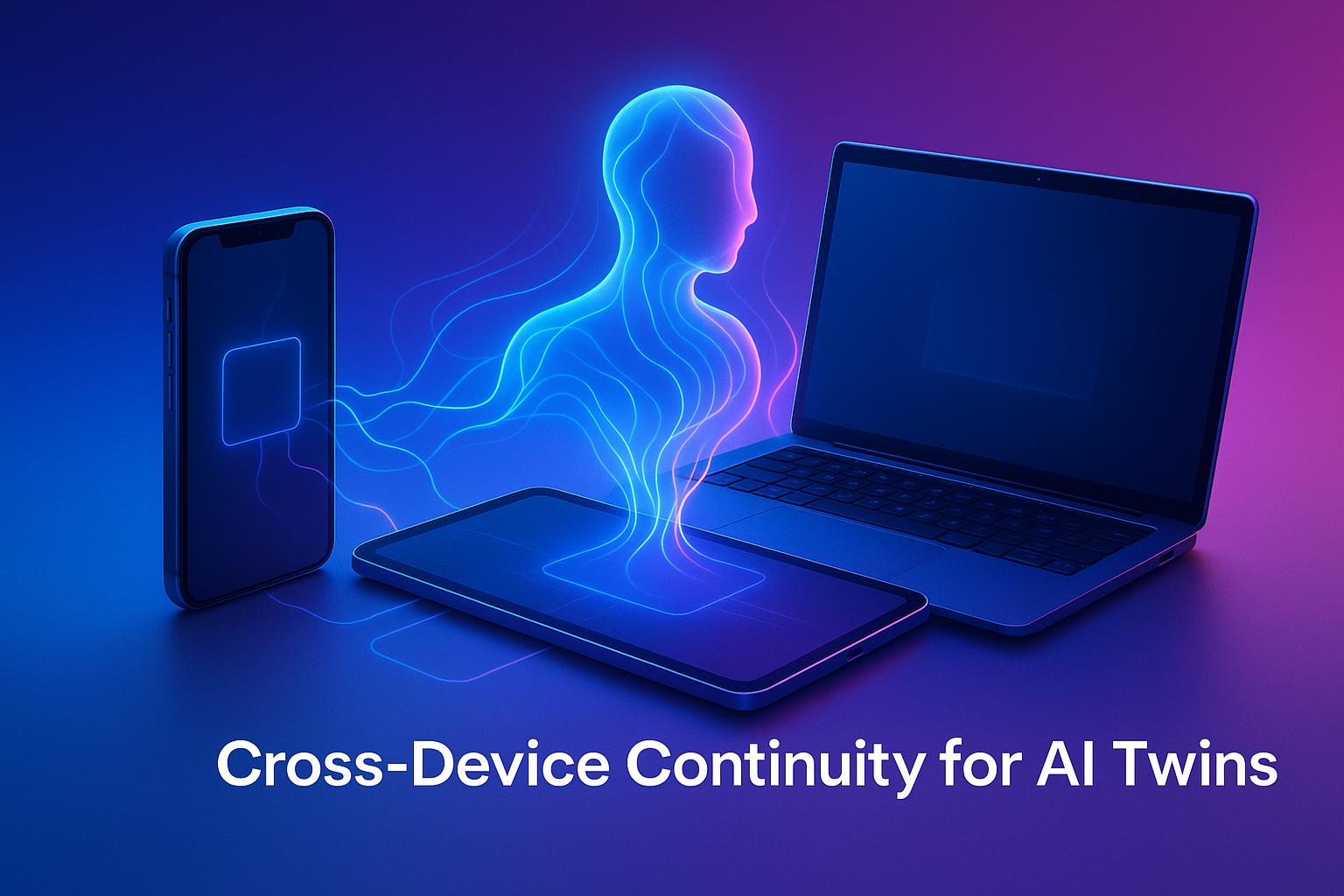
Switching devices shouldn't disrupt your experience. Imagine starting a live stream on your phone and continuing it seamlessly on your laptop without any interruptions. That's the promise of cross-device continuity for AI Twins - digital replicas of creators that deliver consistent, uninterrupted interactions across devices.
Key Takeaways:
What are AI Twins? Digital counterparts that mimic creators' styles, host live streams, and generate content while staying updated with real-time user data.
Why cross-device continuity matters: It ensures smooth transitions between devices, preventing session loss, frustration, and abandoned interactions.
Challenges: Synchronizing data across devices in real-time, managing bandwidth, and ensuring security.
Solutions: Platforms like TwinTone use cloud-based session tracking, real-time synchronization, and unified user profiles to offer a connected experience.
Benefits: Improved user experience, higher engagement, and increased sales by removing friction in the customer journey.
Whether you're watching a product demo or shopping online, cross-device functionality ensures AI Twins remember you, your preferences, and your progress - no matter where you log in. This technology is transforming how brands and creators engage with their audiences.
What App Features Show Cross-Device Integration?
Problems with Fragmented User Experiences
Switching between devices mid-interaction can completely disrupt a user’s flow. What starts as an engaging experience on a smartphone can quickly turn into frustration when moving to a laptop or tablet. This interruption doesn’t just annoy users - it also reduces the effectiveness of AI Twins for brands. Understanding how this breakdown happens is key to addressing the underlying challenges.
Device Switching Causes Session Loss
Every time a user switches devices, crucial data - like session IDs, authentication tokens, preferences, or interaction history - might not transfer properly. As a result, the AI Twin may fail to recognize the user, treating them like a first-time visitor.
Picture this: You’re watching a live product demo powered by an AI Twin on your phone during your commute. The content hooks you, and you’re eager to continue once you get home. But when you open your tablet, the system doesn’t remember you. Your progress is gone, personalized suggestions have disappeared, and you’re forced to start over. Frustrating, right? This kind of restart disrupts the experience and leaves users feeling disconnected.
The root of the problem lies in how user data is stored. Most systems rely on centralized cloud servers that don’t always synchronize data across devices in real time. When a new device connects, it might pull incomplete or outdated information. For creators using platforms like TwinTone to host live streams or branded content, these interruptions make it nearly impossible for AI Twins to maintain meaningful, ongoing interactions with users.
How Fragmentation Affects User Engagement and Retention
These technical hiccups don’t just frustrate users - they directly impact how people engage with and stick around for the experience. Fragmentation introduces friction at every step of the customer journey. Interrupted sessions or inconsistent interactions across devices often lead users to abandon the process altogether. For instance, imagine shopping online and switching devices, only to find your cart empty or your custom configurations gone. Lost sales are almost inevitable.
Beyond the immediate frustration, fragmented interactions make it harder for brands to build accurate user profiles. When AI Twins can’t access continuous data, they struggle to provide personalized content or improve their interactions over time. This lack of personalization can erode trust, as users begin to see the AI as unreliable. For creators monetizing their AI Twins through tools like TwinTone, reduced engagement and retention mean fewer revenue opportunities.
Technical Challenges in Synchronizing AI Twins
To tackle session loss and fragmentation, real-time synchronization across devices is essential - but it’s no small feat. AI Twins need to maintain a low-latency connection that accurately reflects user interactions. The challenge grows exponentially when multiple devices are involved.
Bandwidth and network limitations add another layer of complexity. Streaming sensor data and interaction logs across devices and cloud servers consumes significant resources, driving up costs. In environments with heavy IoT activity, this can lead to latency issues and unsustainable operational demands.
Security and reliability concerns further complicate things. If the cloud connection drops, the AI Twin loses its ability to function in real time, leaving users stranded. At the same time, managing sensitive data securely becomes a critical priority.
Choosing the right communication protocol is another hurdle. A poorly chosen protocol can increase delays, disrupting the user experience. Beyond that, AI Twins must accurately synchronize user context, preferences, and interaction history across all devices. This requires advanced state management and conflict resolution systems to ensure that changes on one device instantly reflect on others without causing errors.
Without a robust architecture for cross-device synchronization, even the most sophisticated AI Twins will struggle to meet user expectations. These gaps frustrate audiences and limit the potential of AI Twin technology for both brands and creators.
How to Achieve Cross-Device Continuity for AI Twins
Creating a smooth, uninterrupted experience across devices is no small feat, but with the right tools and strategies, it's entirely possible. Here's how it works:
Session Synchronization Across Devices
At the heart of cross-device continuity lies cloud-based session tracking. This system ensures that session states remain consistent across all user devices. For example, if someone switches from their smartphone to their desktop, the system uses device authentication to pull the complete session history from the cloud. This allows the AI Twin to pick up exactly where the user left off, without a hitch.
Real-time synchronization is enabled by efficient communication protocols like MQTT and WebSocket. These lightweight protocols ensure low-latency interactions, which are especially important for live updates. This "real-time connectivity" ensures that the AI Twin stays perfectly aligned with any changes happening in the physical world.
When a user updates their preferences on one device, those changes are reflected instantly across all connected devices. Whether it's interaction history, conversation threads, purchase behaviors, or the current position in a live stream, the AI Twin adapts in real time. Even in cases where users interact on multiple devices simultaneously, advanced conflict resolution methods use precise timestamps to ensure updates are applied in the correct order, keeping everything consistent.
Beyond session tracking, integrating a unified user profile ensures that all touchpoints contribute to a cohesive experience.
Unified User Profiles and Data Integration
A centralized system brings together interaction history, personalization settings, and real-time session data from all devices, creating a unified user profile.
By using a hybrid architecture, tasks are divided for optimal performance. Immediate actions, like detecting anomalies or providing real-time feedback, are handled locally on the device (at the edge). Meanwhile, tasks requiring deeper analysis or long-term storage are processed in the cloud. This setup ensures quick responsiveness while still leveraging the power of centralized analytics.
This approach has clear benefits. The AI Twin can instantly access a complete picture of the user's preferences and past interactions. So, when someone switches devices, the AI Twin doesn't just recognize them - it remembers their journey, their likes, and exactly where they left off.
Security is a top priority in this system. Encryption and zero-trust models continuously verify access requests, adapting security policies based on real-time risk assessments. This ensures sensitive data remains protected across devices.
To optimize data transfer, differential synchronization is used. Instead of sending a complete snapshot every time something changes, only the updates are transmitted. This reduces bandwidth usage and speeds up synchronization, making cross-device interactions faster and more efficient.
These strategies come together in platforms like TwinTone, which bring cross-device AI Twin performance to life.
How TwinTone Enables Cross-Device AI Twin Performance
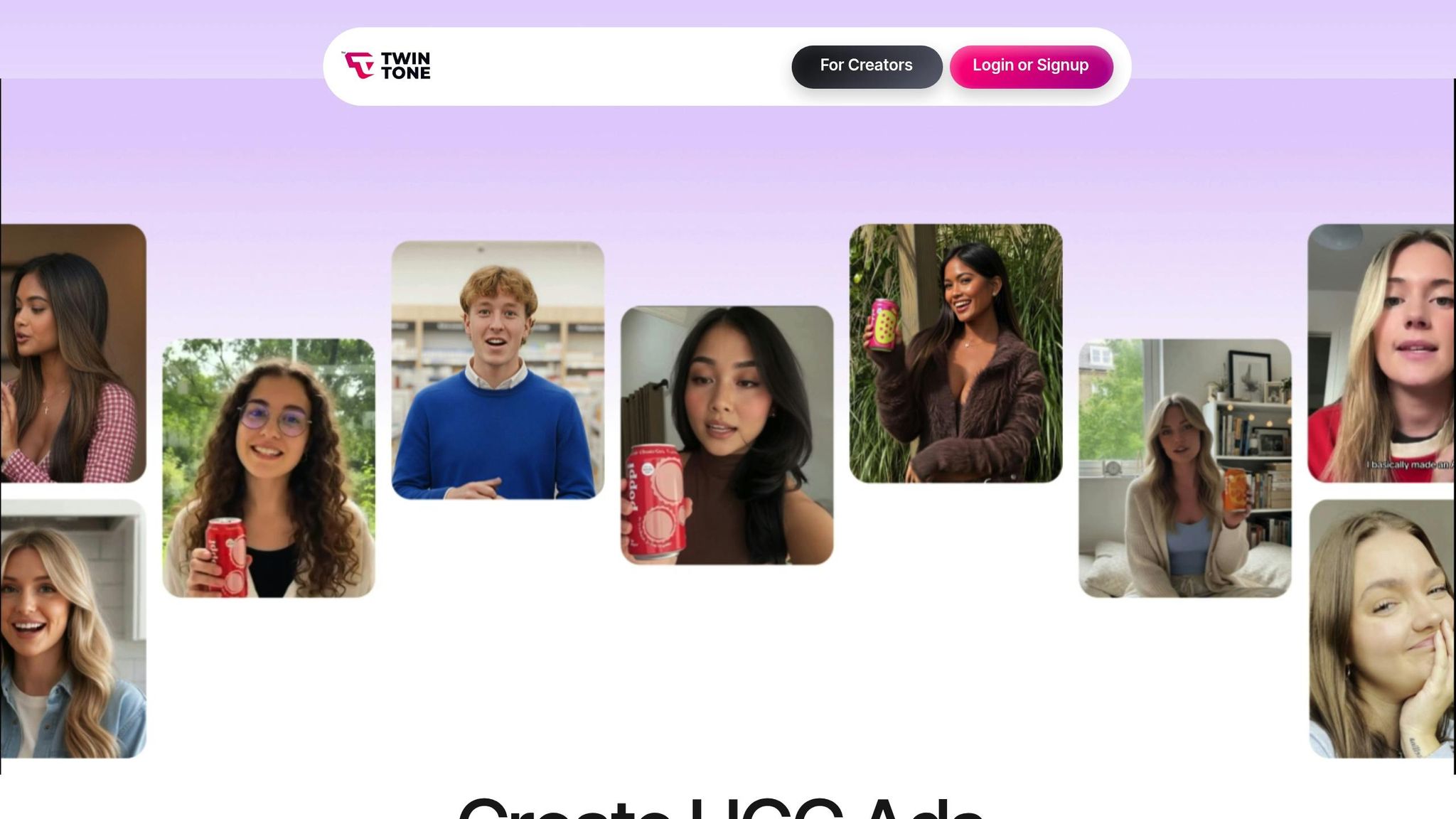
TwinTone's architecture is designed to handle the complexities of cross-device continuity, particularly for AI Twins in fields like social commerce and content creation. It allows creators to turn their likeness into AI Twins that can produce branded content and host live streams seamlessly across various devices and platforms.
The platform ensures unified session states across mobile apps, web browsers, and social commerce platforms. For instance, if a user starts watching an AI Twin-hosted live product demo on their phone during a commute, they can continue watching on their laptop at home without losing any context or personalization.
TwinTone also automates multi-platform content distribution, ensuring that AI Twin-generated videos and live streams reach audiences on platforms like TikTok, Instagram, and YouTube. This means users can engage with the same AI Twin no matter where they prefer to consume content, with continuity maintained throughout.
The platform supports global interactions, including multilingual capabilities. For example, a user can begin a session in English on their phone and switch to Spanish on their tablet, with the AI Twin adapting instantly to the language change.
By combining edge processing for real-time content generation with cloud-based analytics, TwinTone ensures minimal delays in interactions. Even when network connectivity dips, the AI Twin continues functioning using locally cached data. Once the connection improves, it synchronizes with the cloud to update any changes.
For creators monetizing their AI Twins, this functionality directly impacts revenue. Engagement metrics, purchase behaviors, and conversion data are tracked across devices, giving brands a complete picture of audience interactions. Whether it's generating user-generated content, hosting live product showcases, or creating high-performing video ads, TwinTone delivers consistent performance at scale.
Unified profiles ensure that user preferences, shopping carts, and interaction history persist across devices. For example, if someone adds items to their cart while watching a live stream on mobile, they can complete the purchase later on their desktop without losing any information. The AI Twin remembers the user's interests, maintains conversation context, and continues building the relationship, no matter the device.
This seamless experience eliminates technical disruptions, keeping users engaged and removing barriers to conversion. The result? A frictionless customer journey that boosts trust, engagement, and sales - exactly what brands need to thrive in social commerce.
Benefits of Cross-Device Continuity for Brands and Creators
When AI Twins operate seamlessly across different devices, they bring a host of advantages that enhance user satisfaction, deepen engagement, and drive revenue growth for both brands and creators.
Better User Experience
Smooth transitions between devices significantly improve how users interact with AI Twins. Imagine switching from your phone to your laptop without losing your place or needing to re-enter information. These seamless transitions save time and eliminate the hassle of re-authentication or duplicating data entry.
Features like synchronized preferences, viewing history, and shopping carts follow users effortlessly across devices. For example, digital twin implementations with strong continuity have shown a 75% improvement in inspection speeds and a 30% increase in defect detection rates. Similarly, mobile apps with real-time data synchronization have reduced operational delays by 20%. These advancements not only boost satisfaction but also cut down on support requests caused by session interruptions. The result? A frictionless experience that naturally keeps users more engaged.
Higher Engagement and Retention
Consistency across devices creates opportunities for deeper, more meaningful user interactions. When transitions are smooth and hassle-free, users are more likely to return - often 3 to 5 times more frequently. This fosters loyalty and stronger connections. For creators, maintaining continuity across devices helps build lasting relationships with their audience. For instance, creators using TwinTone's multi-device, multi-platform approach have collectively generated over 1 billion views.
Brands also see the payoff. Retention rates improve by 15–30% when audiences can engage with content seamlessly, no matter the device. These uninterrupted interactions pave the way for better conversion rates and long-term customer relationships.
Increased Sales and ROI for Brands
Cross-device continuity removes barriers in the customer journey, directly boosting conversion rates. Features like persistent shopping carts and unified profiles make it easier for users to complete purchases. In fact, proper digital twin integration can deliver a return on investment in just two months, along with cost savings that can reach hundreds of thousands of dollars.
TwinTone’s cross-device functionality takes this further, supporting over 1,000 brands and 20,000+ creators who produce high-quality, shoppable content that consistently drives results. By automatically distributing tailored content across platforms and devices, TwinTone ensures brands can engage their audience wherever they are, in over 40 languages, 24/7. Additionally, unified user data enables highly targeted marketing campaigns, reducing acquisition costs and boosting customer lifetime value, while also opening up new revenue streams for creators.
The Future of Cross-Device Functionality for AI Twins
Emerging Trends in AI Twin Technology
Tackling the fragmented user experience across devices, new advancements in AI Twin technology are reshaping how we interact with multiple platforms. One key development is the integration of edge computing, which allows AI Twins to process data directly on your device - whether it’s a phone, tablet, or laptop - without relying on distant servers. The result? Faster responses and smoother transitions when switching between devices.
Security is also taking a front seat. Zero-trust security models now ensure continuous identity verification and secure device access, providing uninterrupted and safe interactions. Meanwhile, blockchain technology is enhancing data privacy and integrity through zero-knowledge proofs, which secure AI Twin data during device transitions while also being energy-efficient.
Another exciting trend is the rise of self-calibrating AI models. These models automatically update with the latest data, preventing "model drift" and ensuring consistent performance for AI Twins across all devices.
Together, these breakthroughs are creating new opportunities for brands to leverage tools like TwinTone, which is designed to deliver seamless, multi-device experiences.
Opportunities for Brands with TwinTone
TwinTone is a game-changer for brands aiming to offer consistent, cross-device experiences. Imagine running 24/7 live product showcases where customers can seamlessly switch between their phone, desktop, or tablet without losing session progress. This kind of frictionless experience enhances customer satisfaction and boosts engagement throughout the buying journey.
TwinTone also supports over 40 languages, making it possible for brands to deliver a unified experience to audiences worldwide. Its on-demand user-generated content (UGC) capabilities allow brands to create authentic, cohesive content across devices.
Additionally, TwinTone’s API enables scalable content generation, such as shoppable videos tailored for different devices. This ensures that no matter where your customers are engaging, the content feels optimized and relevant.
Key Takeaways for Brands and Creators
Start with a dual-track approach: Balance short-term operational needs with long-term plans. Begin by implementing cross-device continuity now while preparing for future upgrades.
Track key metrics: Focus on session continuity, cross-device engagement, and conversion rates to measure the success of your strategy.
Prioritize mobile-first design: Since many users start their journey on mobile, ensure your AI Twin experiences are flawless on smaller screens. Features like augmented reality can further enrich mobile engagement.
Invest in real-time synchronization: A strong infrastructure for instant data syncing across devices is critical for delivering seamless user experiences and improving retention.
Think beyond individual platforms: Cross-device functionality isn’t just about one app or platform - it’s about creating a unified experience across social media, e-commerce, and live streaming. TwinTone’s integrated approach ensures consistency everywhere.
Adopt continuous learning: Your AI models should evolve with every interaction, adapting to changing user behavior to maintain effective device transitions.
Brands and creators who embrace these advancements now will position themselves as leaders in their industries. The tools are ready, and the benefits of a secure, unified, and engaging multi-device experience are undeniable. The real challenge? Getting started before the competition does.
FAQs
How do AI Twins ensure seamless data consistency across devices?
AI Twins keep your data perfectly in sync across all your devices through advanced cross-device session continuity. This ensures that your interactions, preferences, and activity history are updated in real time. So, whether you're switching between your phone, tablet, or computer, your experience remains smooth and uninterrupted.
For creators using TwinTone, this functionality guarantees that their AI Twins deliver consistent branded content across multiple platforms. The result? A unified and engaging experience for audiences, making it easier for brands and creators to connect with their followers seamlessly and on a larger scale.
How do AI Twins stay synchronized across multiple devices in real time?
AI Twins use cutting-edge cloud technology and integrated data systems to stay perfectly in sync across devices. This means any update made on one device is instantly mirrored on others, ensuring a smooth and consistent experience no matter where you access your AI Twin.
For creators and brands leveraging TwinTone, this synchronization guarantees that AI Twins can maintain seamless engagement - whether it's during live streams, product showcases, or creating on-demand content. This ensures interactions remain uninterrupted, delivering a unified and reliable experience across all platforms.
How does cross-device continuity improve user engagement and boost sales with AI Twins?
Cross-device continuity makes sure users enjoy a smooth experience by enabling AI Twins to provide consistent interactions across various devices. This approach eliminates the disconnect that can happen when switching devices, ensuring users stay engaged and connected wherever they interact with their AI Twin.
For brands leveraging TwinTone, this means creating more genuine and unified customer interactions. The result? Increased engagement and potentially higher sales. By offering a cohesive experience, brands can build deeper relationships with their audience while getting the most out of their AI Twins.