AI
Best Practices for Real-Time Sentiment Analysis
Real-time sentiment analysis lets you understand emotions in text, voice, and other channels instantly.

Real-time sentiment analysis lets you understand emotions in text, voice, and other channels instantly. This technology goes beyond simple keyword detection by using advanced models like BERT and GPT to analyze subtle nuances in language, tone, and context. It's a game-changer for brands and creators, allowing them to respond to audience sentiment during live events, social media campaigns, and customer interactions.
Why It Matters: Helps brands and creators react to audience feedback immediately, improving satisfaction and reducing issues like customer churn.
Common Use Cases: Live streams, social media monitoring, customer service, and AI-powered content like TwinTone's AI hosts.
Choose tools with low-latency processing, multilingual capabilities, and strong security.
Use streaming frameworks like Apache Kafka for real-time data integration.
Train models on industry-specific language and balance sentiment classes in datasets.
Privacy and Ethics: Follow laws like CCPA, minimize bias in models, and maintain transparency with users.
By combining natural language processing with acoustic analysis, real-time sentiment analysis enables deeper emotional insights, helping brands and creators deliver better experiences and adapt content dynamically.
Selecting the right platform is crucial for effective real-time sentiment analysis. Look for tools with low-latency processing, seamless API integration, multilingual capabilities, precise sentiment detection, and strong security features. Low-latency processing ensures insights are delivered in real time, avoiding delays caused by traditional batch processing. This is especially important during high-traffic events like live streams or viral social media moments when data volumes spike.
If your audience spans across languages and regions, multilingual support is non-negotiable. However, it’s not just about supporting major languages · tools should handle slang, regional expressions, and nuances that can significantly impact sentiment accuracy. Many platforms claim to support multiple languages but struggle with these subtleties.
Implementation Checklist for Real-Time Sentiment Analysis
Key Takeaways
When it comes to sentiment detection, accuracy can vary widely. Tools using advanced, context-aware models like BERT or GPT outperform those relying on simple keyword matching, especially when dealing with sarcasm, irony, or industry-specific jargon. The ability to detect specific emotions like frustration or joy, beyond just positive, negative, or neutral, adds another layer of precision.
Security is another critical factor. Ensure the tool offers end-to-end encryption, automated data deletion, and compliance with privacy laws like CCPA. Additionally, the platform should be scalable, capable of growing with your audience without requiring a complete overhaul.
With the right tool in place, the next step is to set up a secure and efficient data pipeline.
Your sentiment analysis pipeline needs to be both secure and scalable to handle real-time data effectively. Many organizations rely on streaming frameworks like Apache Kafka or Flink to manage continuous data flow from various sources. These frameworks ensure consistent processing speeds and prevent data loss during high-traffic periods.
Integrate APIs to pull data from all relevant channels and set up automated alerts for sentiment drops. These alerts can notify your team within minutes, allowing for immediate action.
Choose the Right Tool
Maintaining data quality is essential at every stage. This includes filtering out spam, removing bot-generated content, and addressing inconsistent formatting that could skew results. Adding metadata enrichment · such as timestamps, user profiles, and geographic locations · provides valuable context for your analysis.
Privacy and security should be baked into the pipeline from the start. Implement data anonymization or pseudonymization processes, particularly when handling personal information. Regular compliance audits help maintain legal and ethical standards while building trust.
Timing also plays a role in sentiment accuracy. Sentiments can shift based on the time of day, day of the week, or even seasonal trends. Configure your data streams to account for these variations and establish baseline sentiment scores for different time periods.
To capture the nuances of your audience, train your models on industry-specific language. Generic models often fail to recognize specialized terminology, slang, or cultural references. Tailor your training datasets with examples relevant to your audience, including common phrases and context-specific expressions.
Balancing sentiment classes in your training data is equally important. If your dataset skews heavily toward positive examples, the model may struggle to recognize negative sentiment. Ensure your data includes a balanced mix of positive, negative, and neutral examples across various contexts.
With modern platforms now analyzing 100% of interactions, it's a major step up from older methods that only sampled a portion of audience reactions.
Real-Time Monitoring and Content Optimization
Set Up Data Streams and Integration
Context-aware NLP models are essential for handling sarcasm and nuanced language. These models analyze the full context of a message, distinguishing between genuine praise and sarcastic remarks that may use positive words to convey negative sentiment.
Regular human reviews can further refine model accuracy. Weekly reviews of flagged interactions help catch edge cases that automated systems might miss, creating a feedback loop to improve performance as language and trends evolve.
For platforms handling audio or video content, multimodal analysis can enhance sentiment detection. By combining text analysis with voice cues · such as tone, pitch, and pace · you gain a deeper understanding of emotions. For instance, a seemingly neutral comment in text might reveal frustration or excitement when vocal cues are analyzed.
To keep your sentiment analysis relevant, continuous model retraining is a must. Schedule quarterly reviews of performance metrics like precision, recall, and F1 scores, and update models with fresh data from your audience.
Finally, monitor performance from both technical and business perspectives. Track metrics like processing speed, accuracy, and false positives/negatives, alongside practical outcomes like response times to sentiment shifts and improvements in customer satisfaction. This dual approach ensures your sentiment analysis delivers both operational efficiency and measurable business value.
Improve Accuracy and Context Detection
Keeping track of audience sentiment in real-time is a game-changer for live events. With modern platforms now analyzing 100% of interactions, it's a major step up from older methods that only sampled a portion of audience reactions. This comprehensive approach ensures that no significant emotional shift goes unnoticed during a broadcast.
These advanced systems go beyond the basic positive or negative sentiment categories. They can identify specific emotions like frustration, confusion, or joy, offering a deeper understanding of how the audience feels. Real-time dashboards powered by AI display metrics alongside historical averages, alerting teams immediately when sentiment scores drop or when negative mentions spike. Features like heatmaps pinpoint areas with intense emotional reactions, while word clouds reveal the topics driving these emotions.
For audio and video content, combining speech tone analysis with text transcription provides a more accurate read on sentiment compared to text-only methods. You can even set up thresholds that trigger instant alerts, giving teams the chance to respond quickly before minor issues escalate. These real-time insights empower creators to make immediate adjustments, keeping their audience engaged and satisfied.
Making real-time changes to content requires a solid plan. For example, if sentiment dips below a set threshold, having alternative talking points or strategies ready can help turn things around. Feedback loops based on sentiment data allow creators to tweak their content without disrupting the flow of a broadcast. This might involve shifting topics, changing the tone of delivery, or adding interactive elements to re-engage viewers.
The trick is distinguishing between fleeting emotional reactions and more sustained audience sentiment. While brief spikes in negativity might reflect temporary reactions, a steady decline usually signals deeper issues that need addressing. Automated alerts and real-time coaching prompts can help teams adjust tone and messaging on the fly, ensuring smoother interactions even in challenging moments.
Privacy, Compliance, and Ethics Guidelines
Monitor Audience Sentiment During Live Events
Drilling down into sentiment by audience demographics can reveal whether negative reactions are widespread or limited to specific groups. This allows for targeted adjustments that address concerns without alienating engaged viewers.
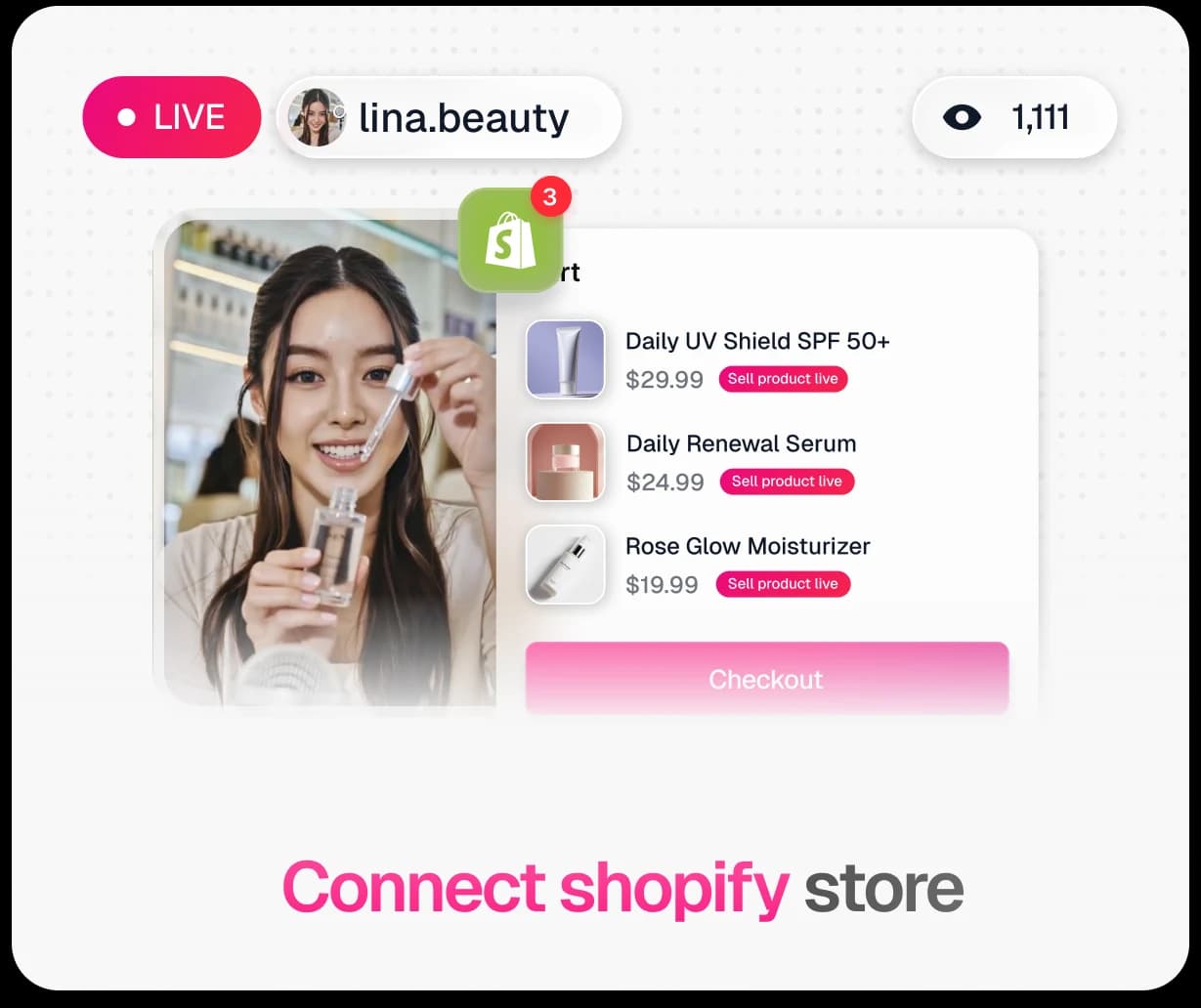
Take TwinTone's AI Live-shopping feature as an example. It uses real-time sentiment data to adapt AI host behavior during live streams. This means creators can monitor performance, uncover insights, and fine-tune their AI hosts to keep audiences engaged. The platform supports branded live streams around the clock in over 40 languages, ensuring messaging stays relevant and effective. This capability enhances audience satisfaction and increases conversions during live interactions.
To measure the success of these adjustments, track changes in sentiment distribution, engagement metrics like comments and watch time, and retention rates during and after modifications. Comparing sentiment trends across similar content segments can highlight which strategies work best and where further improvements are needed.
In the United States, real-time sentiment analysis must adhere to key privacy laws, with the California Consumer Privacy Act (CCPA) being a primary example. The CCPA mandates that organizations disclose their data collection practices and provide users with clear options to opt out. To stay compliant, sentiment analysis tools should prioritize transparency and ensure proper consent management throughout their operations.
Key practices include minimizing data collection, encrypting data both in transit and at rest, and conducting regular privacy impact assessments. Quarterly reviews of models and feedback systems are essential to ensure data retention policies align with current regulations. Automated deletion protocols and options for user-initiated data erasure further strengthen compliance efforts and protect user privacy.
Adjust Content Based on Sentiment Data
These steps lay the groundwork for ethical and transparent data practices, which are explored further in the next section.
Start with clear and straightforward privacy notices that explain, in plain language, how data is collected, analyzed, and used. For live streams or content creation, it’s crucial to inform users if real-time sentiment analysis is being employed and to offer easy opt-out options.
Transparency isn’t just about meeting legal requirements · it plays a major role in building brand reputation and fostering customer loyalty. Regularly updating privacy policies and promptly notifying users of any significant changes demonstrates a commitment to responsible data use. Clearly communicating how sentiment insights improve user experiences · while ensuring they aren’t used to manipulate emotions · helps establish trust and enhances audience engagement.
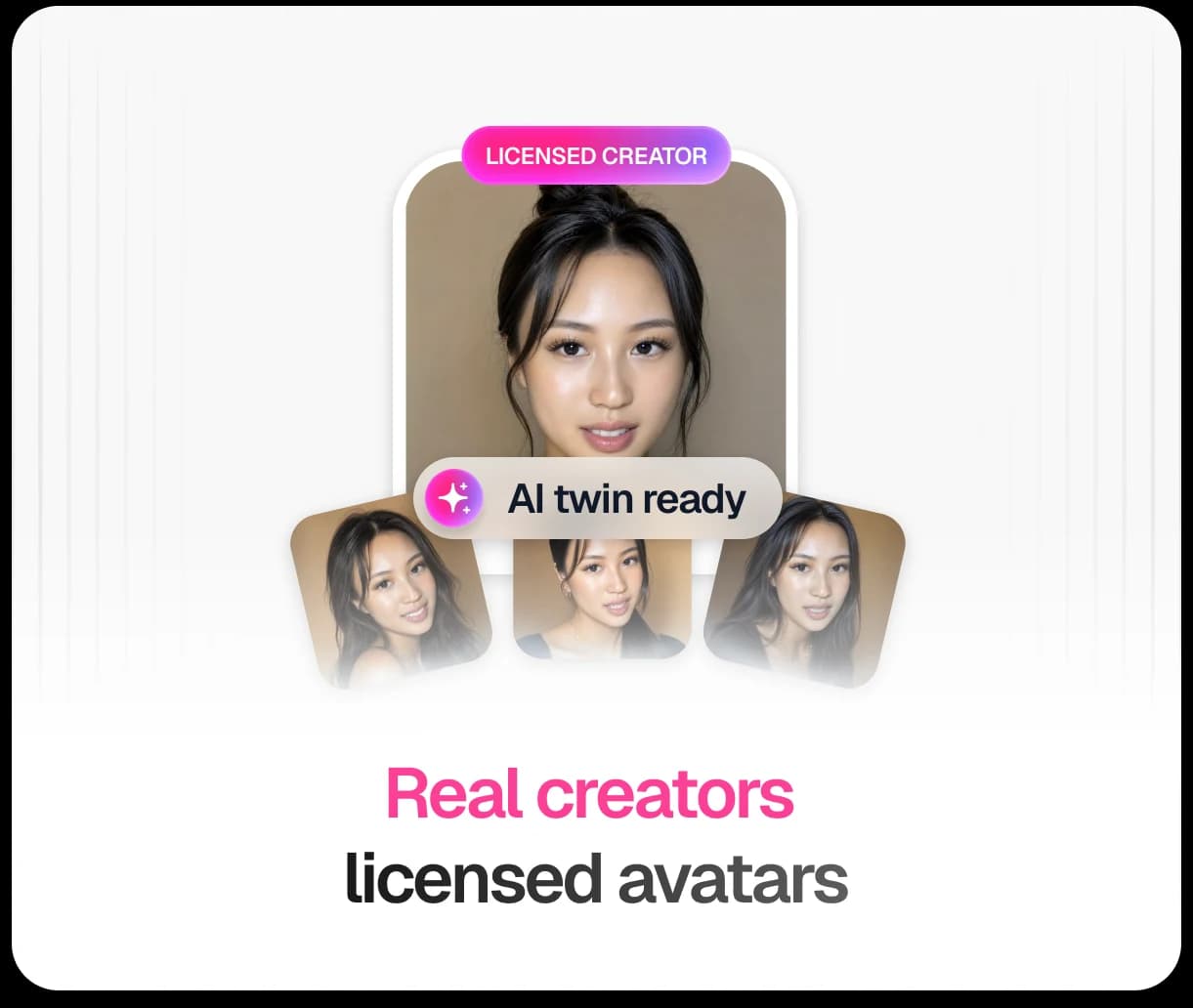
For platforms like TwinTone, which combine AI-generated content with live streams, special care must be taken when real creators’ likenesses are used in automated content. Transparent communication about AI-driven analysis, securing necessary user consents, and implementing strong safeguards are essential to handle data ethically and maintain compliance while creating engaging interactions.
Once transparency is addressed, it becomes equally important to focus on fairness and preventing misuse.
Using Sentiment Data for Better Content Experiences
Follow Privacy Laws and Regulations
Sentiment analysis models often face challenges with bias, which can arise from training data that doesn’t adequately represent diverse groups. These biases may relate to language, culture, demographics, or class imbalances. To address this, regular evaluations of model outputs across different demographics are necessary to identify and correct any disparities.
Reducing bias requires the use of diverse training datasets, fairness-aware algorithms, and ongoing human-in-the-loop validations. These measures ensure the accuracy and fairness of sentiment detection, which is especially critical for live content adjustments and audience engagement.
Ethical guidelines should also be in place to prevent misuse of sentiment data. Access to sensitive data must be tightly controlled, and continuous monitoring should be implemented to avoid targeting vulnerable groups or exploiting emotional responses for profit. While automated systems can flag negative sentiment efficiently, human oversight is essential to interpret nuanced situations and make responsible decisions.
Finally, organizations should document and share their privacy, compliance, and ethical guidelines with both internal teams and external stakeholders. Regular training ensures staff are equipped to manage sentiment data responsibly, fostering a culture of accountability and ethical practice.
Sentiment analysis takes audience feedback from social media, chat platforms, and reviews and turns it into actionable insights. This allows brands to segment their audiences based on how they react. For example, if a specific group consistently responds positively, you might provide more educational content tailored to their preferences. The goal? To ensure your messaging connects with them in real time.
Maintain Transparency and Build Trust
Let’s consider live events. If negative sentiment starts to creep in, you can make immediate changes · like tweaking the host’s script or shifting the focus of the discussion · to re-engage your audience. A great example of this was in 2024, when a major U.S. telecom company used sentiment analysis during a product launch live stream. By monitoring audience reactions, they made real-time adjustments to the host’s script and product demonstrations. The result? A 22% increase in positive sentiment and a 15% boost in live sales compared to their previous launches.
To make this approach work, brands need to centralize feedback from multiple channels, use tools that classify reactions in real time, and monitor sentiment continuously. This way, your content can always align with what your audience prefers.
Real-time adjustments are just the beginning. Over time, tracking sentiment trends can reveal how well your campaigns resonate emotionally with your audience. These trends go beyond surface metrics like click-through rates or views, showing the emotional journey your audience experiences with your content.
For instance, if you track sentiment scores over a campaign's lifecycle, you might notice that while engagement metrics look solid, sentiment declines. This could indicate that the content isn't meeting audience expectations, even if it initially grabs their attention.
To measure this effectively, compare sentiment data with key performance indicators like engagement rates, conversions, and sales. Modern sentiment analysis tools can dig deeper, identifying emotions like joy, frustration, or confusion instead of just labeling reactions as positive or negative. This level of detail helps brands fine-tune their campaigns, ensuring they strike the right emotional chord. Automated tools can also analyze every interaction, giving you a comprehensive view of how your audience feels and how your content is performing.
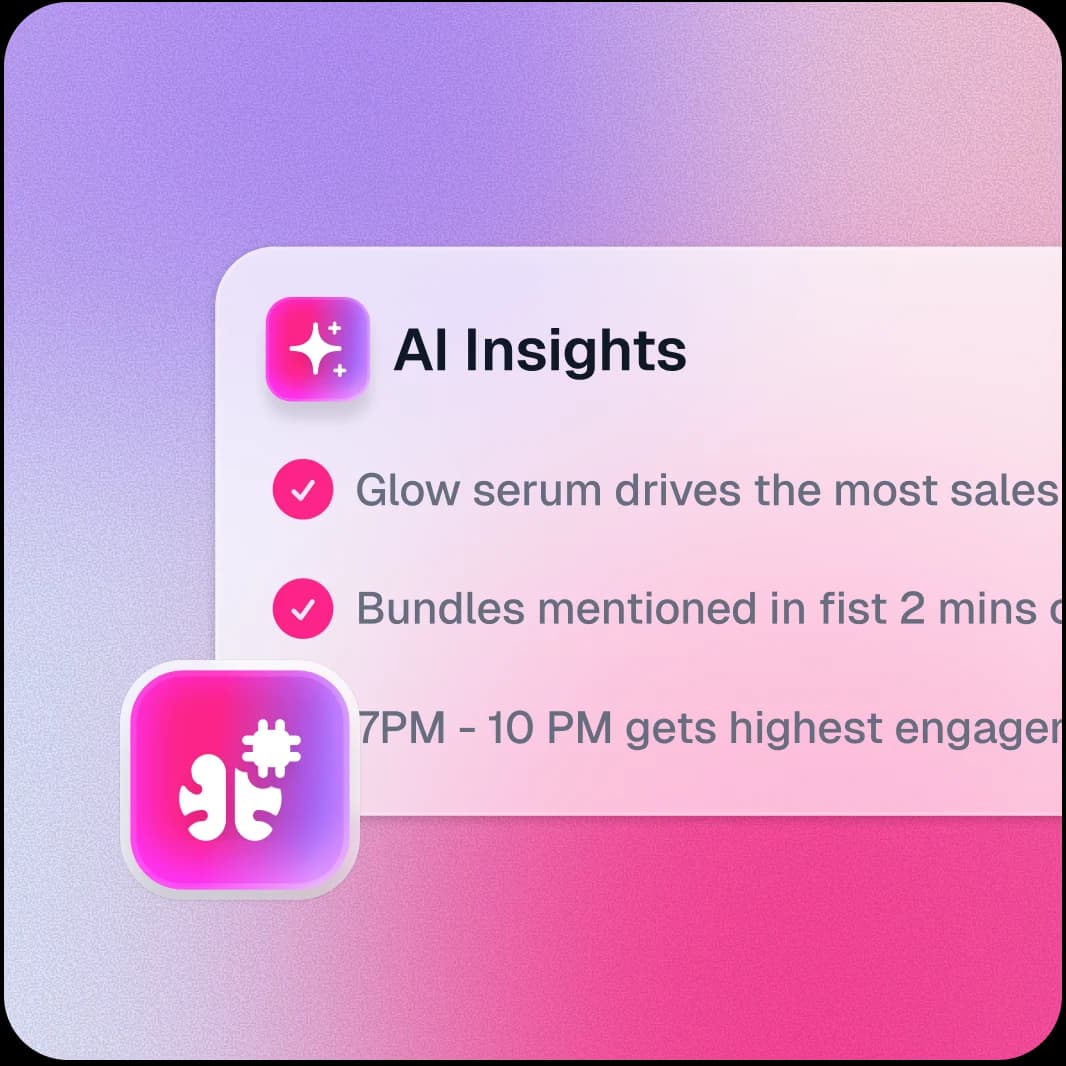
See an AI creator sell your products live
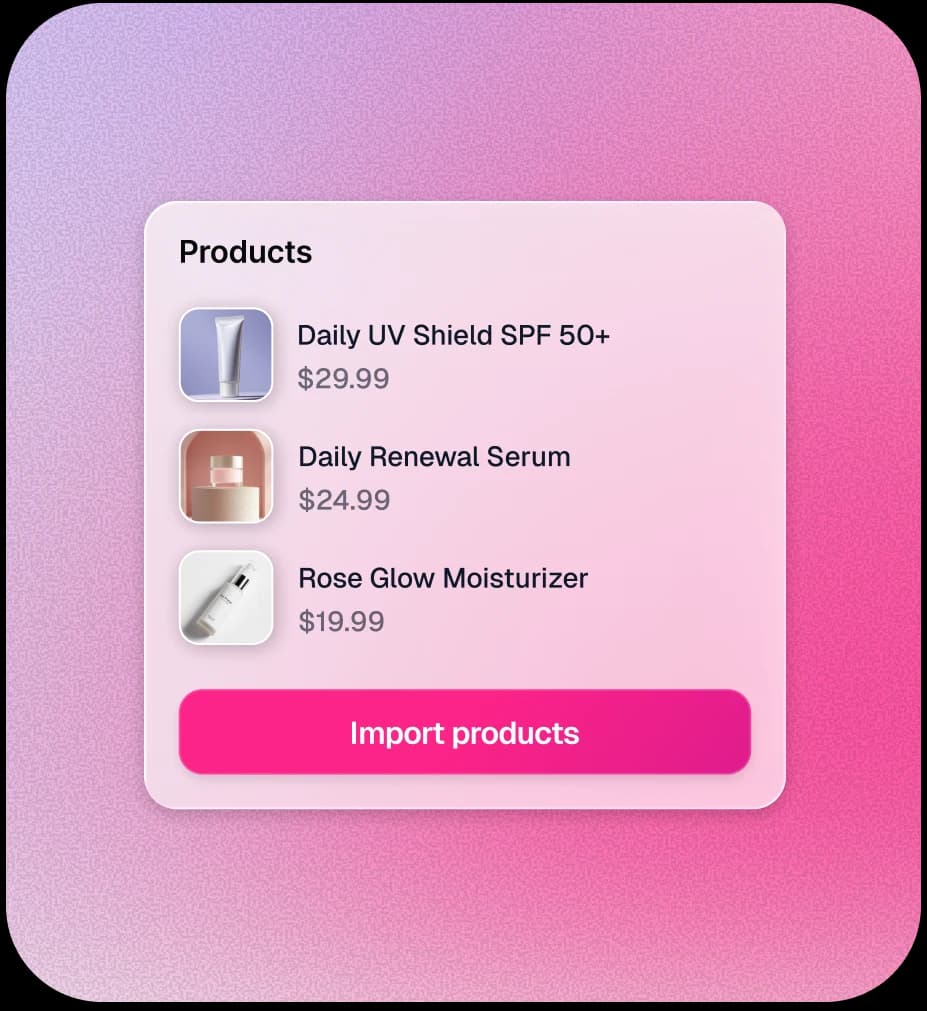
Connect your catalogue and go live in minutes · no studio, no crew.
What Are The Best Tools For Real-Time Sentiment Analysis? · Next LVL Programming
Avoid Bias and Prevent Misuse
Platforms like TwinTone take sentiment analysis to the next level by integrating real-time audience feedback into live content experiences. TwinTone demonstrates how AI can use sentiment data to keep content engaging and personalized at scale.
Here’s how it works: during live streams or on-demand content, TwinTone’s AI hosts monitor audience reactions. If the sentiment is positive, the AI hosts might emphasize product features, share insights, or even offer promotions. On the flip side, if they detect confusion or negativity, they adjust their tone, provide more detailed explanations, or shift the focus to something more appealing.
This technology powers TwinTone’s 24/7 live product showcases on platforms like TikTok, Amazon, YouTube, and Shopify. The AI hosts maintain the creator’s unique tone and personality while adapting to real-time feedback, creating interactions that feel authentic rather than robotic.
The results speak for themselves. Brands using TwinTone have reported higher conversion rates and better audience retention during live streams. Plus, with its multilingual capabilities, TwinTone’s AI hosts can adjust their messaging and emotional tone in over 40 languages, ensuring content resonates across different regions and audiences.
For creators, this means their AI hosts can keep engaging with audiences even when they’re not actively managing content. Meanwhile, brands benefit from ongoing, data-driven optimization based on audience reactions. This continuous cycle of sentiment-driven personalization keeps content fresh and ensures audiences stay engaged.
Personalize Content Using Sentiment Insights
Real-time sentiment analysis has become a must-have tool for creators and brands navigating today's fast-paced digital world. The steps outlined in this checklist serve as a guide to implementing sentiment analysis in a way that generates insights you can act on.
Success in this area hinges on ongoing monitoring and adjustments. As language evolves and audience preferences shift, fine-tuning your approach will help maintain accuracy over time. Companies already using dedicated sentiment analysis platforms report impressive outcomes, like a 30% boost in their ability to spot and address negative feedback on the spot.
Going beyond simple positive or negative sentiment scoring is key. By integrating natural language processing with acoustic analysis · examining tone, pitch, and pace · you can uncover deeper emotional nuances. This enables faster resolutions and responses that feel more empathetic.
Real-time sentiment analysis doesn’t just focus on one channel · it spans voice calls, chat, email, social media, and surveys, offering a comprehensive view of how your audience feels.
As seen with TwinTone, their AI-powered platform adapts content in real time based on audience feedback. However, they also emphasize the importance of human oversight, conducting weekly reviews and refining their models to ensure both accuracy and trust. This mix of automation and human involvement is crucial for handling the ever-changing dynamics of audience sentiment.
Conclusion
Measure Campaign Success Through Sentiment Trends
Quickly addressing emerging trends helps prevent small issues from snowballing into bigger problems. By following this checklist, you can build a system that not only reacts in real time but also improves audience experiences across the board.
Real-time sentiment analysis allows brands to understand audience reactions as they unfold during live events. This immediate feedback gives brands the chance to respond in the moment · whether it’s addressing concerns, celebrating positive reactions, or tweaking their approach to keep the audience engaged.
TwinTone Example: AI-Powered Sentiment Integration
By actively listening and reacting, brands can elevate the customer experience, showing audiences they’re heard and valued. This approach not only strengthens trust but also fosters loyalty. Using tools that offer instant insights keeps brands in tune and responsive during critical live interactions.
When working with real-time sentiment analysis, privacy and ethical responsibility should be at the forefront of your efforts. Always follow data protection laws like GDPR or CCPA by obtaining clear and explicit consent before gathering or analyzing user data. Limit the storage of sensitive information to only what’s absolutely necessary, and make sure to anonymize data to safeguard individual identities.
How does real-time sentiment analysis enhance customer satisfaction during live events?
From an ethical standpoint, ensure your analysis is conducted with transparency and fairness. Take steps to minimize biases in your algorithms, as these can lead to inaccurate or even discriminatory results. Regular audits of your tools are essential to confirm they’re performing as expected and staying true to your brand’s principles. By focusing on these elements, you can earn trust and uphold integrity while making the most of sentiment analysis.
Advanced models like BERT and GPT have transformed sentiment analysis by grasping the context and subtleties of language · something traditional keyword-based methods struggle with. Instead of just scanning for predefined word lists, these models rely on deep learning to understand how words relate to one another, enabling a much deeper comprehension of text.
What privacy and ethical factors should I consider when using real-time sentiment analysis tools?
For instance, they can pick up on sarcasm, interpret idioms, or recognize subtle emotional undertones · areas where keyword-based systems often fall short. This leads to more precise sentiment detection, which is incredibly useful for tasks like real-time content creation or engaging with an audience effectively.
How AI Enhances Creator-Fan Relationships
How do advanced models like BERT and GPT improve sentiment analysis compared to traditional keyword-based approaches?
See what an AI host does to a live stream. Get started with TwinTone or [book a walkthrough](mailto:james@twintone.ai).
- AI Fan Behavior Analysis: Key Metrics Explained
- AI Tools for Measuring Parasocial Relationship Strength
- Sentiment: Analysis for Personalized Fan Interactions
- AI hosts for Brand Partnerships: A New Model
- How: Brands Can License Creators Using AI
- AI-Driven Influencer Marketing Explained