AI Twins and FTC Compliance Challenges
How to build a futureproof relationship with AI
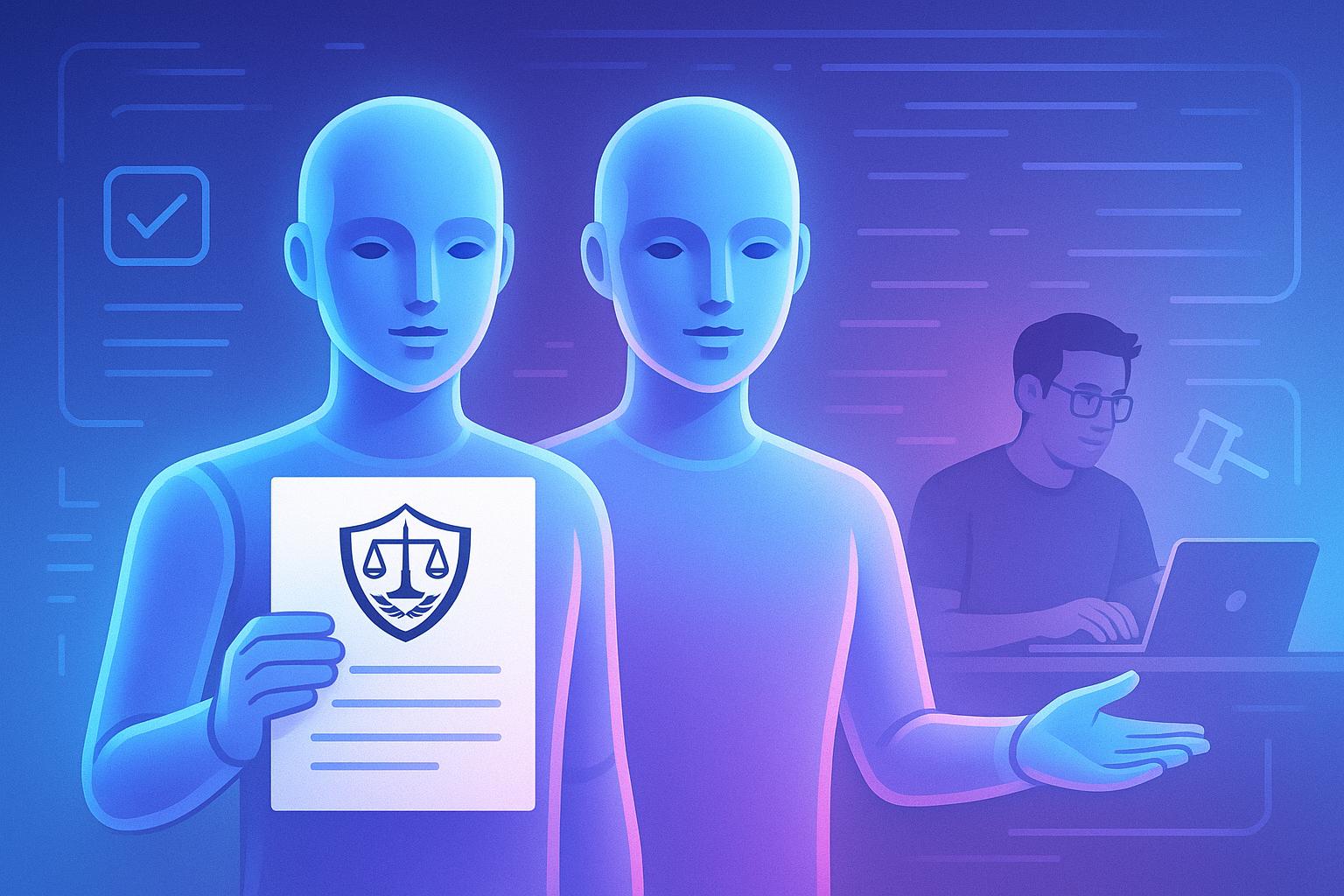
AI Twins, digital replicas of real people, are transforming marketing by enabling non-stop content creation and engagement. However, with the rise of these tools, the Federal Trade Commission (FTC) has made it clear: AI-generated content must follow the same advertising rules as human influencers. Non-compliance can lead to hefty fines of up to $51,744 per violation and damage to consumer trust.
Here’s what you need to know:
FTC Rules Apply to AI: AI Twins are held to the same standards as human influencers for endorsements, honesty, and disclosures.
Clear Disclosures Are Mandatory: Content must clearly state it's AI-generated and disclose any material connections (e.g., sponsorships).
Claims Must Be Backed by Evidence: False or exaggerated claims - whether about products or AI capabilities - can result in penalties.
Responsibility Extends Beyond Brands: Creators, agencies, and tech vendors are all accountable for compliance.
To stay compliant, brands should integrate clear approval processes, conduct regular audits, and ensure transparency in all AI Twin campaigns. Platforms like TwinTone can help by offering built-in compliance tools and automated disclosure features. The bottom line: Treat AI Twins like human endorsements - truthful, transparent, and fully compliant.
Why Must Influencer Contracts Follow FTC Disclosure Rules? - Marketing and Advertising Guru
FTC Guidelines for AI-Generated Influencer Content
The Federal Trade Commission (FTC) has made it clear: there’s no special treatment for AI when it comes to truth-in-advertising or endorsement rules. AI-generated influencer content must follow the same standards as content created by humans, with an added layer of transparency regarding the involvement of AI.
Core FTC Compliance Principles
The FTC’s Endorsement Guides define an endorsement as any advertising message that consumers might interpret as reflecting the opinions or experiences of someone other than the advertiser. This includes synthetic voices, avatars, and scripted personas that represent a real creator. When brands use AI Twins, these endorsements must adhere to three key principles.
Clear and conspicuous disclosures. Disclosures like "Ad", "Paid Partnership", or "Sponsored" need to be impossible to miss, easy to understand for the average U.S. consumer, and positioned where they’re clearly visible - whether in short videos, livestreams, or captions. Hiding them in hashtags or fine print won’t cut it. For AI-generated content, brands should go a step further by labeling it as AI-driven. Statements like "AI-generated likeness of [Creator Name]" or "Virtual AI Twin of [Creator]" ensure viewers know they’re not interacting with the real person in real time.
Transparency about material connections. Any relationship between the brand and the human creator behind the AI Twin must be disclosed if it could influence how consumers perceive the content. This includes payments, free products, affiliate deals, or licensing arrangements. Under Section 5 of the FTC Act, brands are accountable for any unfair or deceptive practices.
Genuine endorsements. AI-generated content must not make claims about experiences, results, or product use that didn’t actually happen. For instance, an AI Twin can’t claim, "I lost 20 pounds using this supplement", unless the real creator experienced that result. Brands must also back up any health, safety, or earnings claims with reliable evidence.
The FTC also expects brands to substantiate every claim - explicit or implied - about AI’s capabilities, performance, or outcomes. For example, if an AI-generated influencer says, "Customers typically save 10%", the brand must have solid evidence, such as studies or business records, to support that claim. Overstatements like "guaranteed", "risk-free", or "100% accurate" are risky unless backed by robust data.
Responsibility for misleading endorsements doesn’t stop at the brand. Creators, agencies, and tech vendors involved in the campaign can also be held accountable. Brands using AI Twins should document their AI processes, including how prompts are designed, training data is reviewed, and safeguards are implemented to prevent false claims. These records are essential for compliance.
Recent FTC Enforcement Actions
Recent cases highlight how seriously the FTC enforces these principles. Since 2024, the agency has undertaken several actions targeting deceptive AI marketing practices. For instance, Operation AI Comply, launched in September 2024, resulted in five enforcement actions against companies accused of making false AI-related claims.
In 2025, the FTC took action against Rytr, an AI writing tool, for promoting its platform as a way to generate fake online testimonials and reviews. The agency argued this violated the FTC Act. Other cases include actions against Workado for overstating its AI detection accuracy and Air AI for misleading claims about business growth potential.
The FTC has also launched inquiries into major tech companies’ AI chatbots, focusing on how these tools are tested, monitored, and managed to prevent harm, including risks to children.
For brands using AI Twins, the message is clear: the FTC scrutinizes AI-related claims with a fine-tooth comb. Whether it’s about earnings, performance, or safety, claims tied to AI require substantial evidence. Brands should implement ongoing governance frameworks to ensure compliance, rather than relying on one-time approvals. Any mention of AI in marketing demands thorough legal review and detailed documentation.
Compliance Challenges with AI Twins
AI Twins bring a mix of opportunities and challenges, especially when it comes to regulatory compliance. While they offer brands the ability to produce scalable, realistic content, they also raise concerns about transparency and the potential to mislead consumers. A key issue is ensuring that audiences clearly understand when they’re interacting with AI-generated content, all while adhering to truth-in-advertising rules.
Distinguishing Real from AI-Generated Creators
AI Twins are designed to replicate a creator’s voice, expressions, and mannerisms so convincingly that audiences might mistake them for the real person. This can lead to confusion, especially during product showcases or livestreams, where viewers may assume they’re seeing genuine endorsements unless it’s explicitly stated that the content is AI-generated. The Federal Trade Commission (FTC) has cautioned that blurring the line between human and automated content increases the likelihood of consumer deception.
The complexity grows when an AI Twin operates independently - creating content, responding to comments, and adjusting messaging based on audience engagement. This independence raises questions about who oversees the AI Twin’s actions and whether the creator can reasonably review every piece of content it produces. Without clear oversight and transparency, consumers might wrongly believe they’re hearing authentic opinions from the creator. These concerns highlight the FTC’s focus on transparency and set the stage for strategies discussed later in the article.
Disclosure and Messaging Risks
In addition to authenticity issues, brands must manage the risks tied to disclosures. AI systems can quickly generate claims - sometimes unverified or exaggerated - about product benefits. For instance, if an AI Twin promotes a product with claims about health or performance benefits without proper evidence or the original creator’s input, the brand could face liability for false advertising.
Disclosures must be clear, prominent, and consistently applied across all platforms. A brief note buried in a video description or hidden in hashtags won’t cut it, especially on fast-paced platforms where content is consumed quickly.
Compliance Risk Area | Increased Risks | FTC / Legal Context |
|---|---|---|
Identity & Authenticity | Consumers may not realize the influencer is an AI Twin, leading to confusion about the source. | FTC guidelines require transparency about endorsements and prohibit misrepresentation. |
Material Connection Disclosure | Disclosures must appear clearly across all content formats. | FTC rules demand material connections be disclosed clearly and conspicuously in all formats. |
Claim Substantiation | AI systems may generate claims (e.g., health or performance) without proper evidence. | All claims, explicit or implied, must be substantiated before publication. |
AI Washing & Capability Claims | Overstating what the AI Twin can do (e.g., "100% accurate") can mislead audiences. | The FTC targets exaggerated AI claims as deceptive advertising. |
Governance & Consent | AI Twins may continue creating content after initial approval, complicating oversight. | Scholars warn about governance challenges when digital twins operate independently. |
Youth & Vulnerable Audiences | AI Twins could influence minors in ways that are hard to monitor. | The FTC is increasing enforcement around youth protection in digital content. |
One area of particular concern is "AI washing", where brands exaggerate the capabilities of AI Twins or their underlying technology. The FTC has made this a priority, launching Operation AI Comply in September 2024 to address deceptive AI-related marketing claims. Misrepresenting who or what is communicating - or overstating what the AI can achieve - could result in regulatory action.
Managing an AI Twin requires more than just monitoring individual pieces of content; it demands a full lifecycle approach. Brands need to plan for updates, adjustments, or even discontinuation of AI Twins as agreements or guidelines evolve. Ensuring that consumers are informed and that all claims are properly vetted is critical for maintaining compliance and trust throughout the AI Twin’s use.
How to Run FTC-Compliant AI Twin Campaigns
To tackle the challenges mentioned earlier, brands need to adopt strong compliance measures. Running FTC-compliant AI Twin campaigns requires clear and well-structured processes. The FTC has emphasized that there is "no AI exemption" from existing consumer protection laws. By prioritizing transparency from the outset, brands can avoid enforcement actions tied to exaggerated AI claims. Below are key practices to address the transparency and control issues previously discussed.
Implementing Standard Disclosure Practices
Every piece of AI Twin content must include clear and noticeable disclosures, ensuring consumers know they are viewing AI-generated material and that a connection exists between the creator and the brand. Unlike traditional sponsored content - where a simple #ad might suffice - AI-generated content demands explicit disclosures so viewers understand they’re engaging with synthetic media rather than content created in real time by a human.
Disclosures should be upfront and easy to spot, not buried in comments, video descriptions, or other secondary areas. On platforms like Instagram and TikTok, use text overlays within the first few seconds that state both "Paid Partnership" and "AI-Generated Content", while also enabling the platform’s branded content toggle. For YouTube, include these disclosures in titles, descriptions, and as on-screen text at the start of the video.
When there are multiple relationships - such as between the creator, the brand, and the AI platform - each connection must be disclosed. For example:
"This content was created using AI technology. [Creator Name] has a paid partnership with [Brand]. Content created via TwinTone."
This layered approach ensures viewers grasp the full context of the content.
It’s also crucial to test these disclosures across devices and screen sizes. What appears clear on a desktop might not be as visible on a smartphone. Additionally, keep detailed records of your disclosure methods for accountability.
Creator Oversight and Approval Processes
Proper disclosures are just one piece of the puzzle. Creators must retain control over content that features their likeness. The FTC requires creators to have meaningful oversight of such content, and brands must document this control.
Establish formal approval workflows where creators can review and approve all AI-generated content before it’s published. Share drafts of posts, videos, or live streams with creators in advance, and secure written approval confirming the content accurately represents their likeness and aligns with their personal brand. Record timestamps of these approvals to create a clear audit trail, demonstrating that the content wasn’t autonomously generated without oversight.
Set specific guidelines for what claims or messages the AI Twin can communicate on behalf of the creator. For instance, if an AI Twin is promoting a skincare product, the creator should pre-approve language about product benefits and results. This practice helps prevent the AI from making exaggerated or unverified claims, which could lead to liability for false advertising.
These oversight measures protect everyone involved. Creators maintain control over their public image, ensuring the AI Twin doesn’t make statements they wouldn’t personally endorse. At the same time, brands show they’ve taken reasonable steps to avoid deceptive content. Well-documented approval processes can also serve as evidence of compliance if the FTC investigates your campaigns.
Conducting Regular Compliance Audits
Compliance isn’t a one-and-done task - it requires continuous monitoring as campaigns evolve and regulations shift. Brands should conduct quarterly compliance audits using a structured approach.
Start by reviewing all AI-generated content - posts, videos, and live streams - to confirm that disclosures are present, visible, and clearly worded. Then, verify any claims made in the content by cross-referencing them with supporting documentation and typical consumer outcomes. For example, the FTC has acted against companies that claimed AI platforms could generate significant passive income when most users saw no such results.
Check the placement of disclosures, review creator approval records, and ensure all material connections are transparently disclosed. Make sure disclosures align with the specific requirements of each platform, as Instagram, TikTok, and YouTube all have different standards.
Document all audit findings, address any violations immediately, and retain records for at least three years. Routine audits not only help catch issues early but also enable you to fix unsupported claims before they spread or attract regulatory attention. By conducting these audits regularly, brands can ensure their campaigns continue to meet FTC requirements, reinforcing compliance at every stage.
How TwinTone Supports FTC Compliance

Managing scalable AI Twin campaigns requires strict adherence to FTC regulations at every stage. TwinTone simplifies this process by embedding FTC-aligned controls directly into its platform, allowing brands to produce high-volume, reliable content without compromising on compliance. Below, we’ll explore how TwinTone integrates compliance tools, streamlines workflows, and ensures creator transparency to meet regulatory standards.
Built-In Compliance Tools
TwinTone is designed with FTC guidelines in mind, emphasizing clear disclosures, evidence-based claims, and avoiding misleading practices. The platform automatically includes non-removable, prominent disclosure templates - such as "Paid partnership with [Brand]" or "AI-generated representation of [Creator]" - in all AI Twin outputs. These disclosures are positioned prominently across all formats, with audit logs tracking any changes to ensure accountability.
In addition to disclosures, TwinTone allows creators and legal teams to review and approve training data and claim libraries, ensuring that AI Twins only use pre-vetted, compliant language. The platform enforces strict guardrails to block language that could exaggerate results, earnings, or product capabilities. It also disallows claims in sensitive areas like medical or financial guarantees. Before launching, creators can preview AI Twin outputs in various scenarios, ensuring that the final content aligns with compliance standards. To further enhance transparency, visual markers like badges and introductory lines clearly identify AI-generated content.
Scaling Content While Meeting FTC Standards
TwinTone doesn’t just focus on compliance - it also makes it possible to scale AI Twin campaigns while maintaining rigorous oversight. The platform includes pre-installed approval workflows that mimic traditional influencer review processes. For high-risk content - such as health, finance, or youth-oriented promotions - TwinTone routes scripts and promotional materials to legal or compliance teams for review before publication. This ensures that only pre-approved, low-risk content, like evergreen product demonstrations, can be scaled quickly, while more sensitive materials undergo additional scrutiny.
To support compliance verification, TwinTone keeps centralized audit logs and generates exportable reports detailing disclosure usage, flagged risks, and any edits made. These reports are invaluable for responding to FTC evidence requests. By integrating TwinTone into existing ad-review and approval processes, brands can align AI Twin campaigns with their broader marketing governance. Assigning compliance owners for these campaigns further strengthens oversight.
Maintaining Authenticity and Material Connection
The FTC requires endorsements to be genuine, with clear disclosure of any compensation or incentives. TwinTone ensures this by requiring creators to explicitly license their likeness for AI Twin use and receive direct compensation for campaigns featuring their AI Twins. This approach highlights the material connection between the creator and the brand, addressing a key FTC concern.
To maintain authenticity, TwinTone trains each AI Twin on a curated dataset of the creator’s approved content, ensuring the AI reflects the creator’s genuine voice. Creators can set boundaries on the types of products they endorse and periodically review AI Twin outputs to confirm alignment with their personal values. Additionally, TwinTone includes safeguards to ensure that any claims about AI capabilities are backed by evidence. For example, AI Twins are restricted from making unsupported claims about performance metrics, automation levels, or earnings potential. These measures align with the FTC’s recent "Operation AI Comply", launched in September 2024, which targeted exaggerated AI-related claims through multiple enforcement actions.
Conclusion
AI Twins offer a powerful way to scale creator content, but they come with a critical responsibility: strict adherence to FTC guidelines. The FTC has made it clear that "there is no AI exemption" from laws against deceptive practices. Whether you're creating one video or thousands of automated live streams, every piece of AI-generated content must meet the same standards for accuracy, transparency, and evidence that apply to traditional influencer marketing.
The regulatory environment is becoming more stringent. In 2025, the FTC has taken action against companies making unsupported claims about earning passive income through AI-driven platforms. With bipartisan backing, the agency's focus on AI marketing is only intensifying, regardless of political shifts. Simply adding "AI" to your campaigns puts your efforts under the FTC's spotlight.
Brands that approach AI Twin governance as a built-in requirement will be better prepared as these rules evolve. This means weaving compliance into every part of the content creation process - from script approvals and disclosure templates to regular audits and creator oversight. Waiting for specific AI regulations to emerge is a gamble. The FTC already expects companies to back up every claim about AI-powered products or services, whether stated outright or implied. By making compliance a core part of AI content design, brands can stay ahead of the curve. Platforms like TwinTone make this easier by integrating compliance tools, standardized disclosures, and controlled environments for creating AI Twin content at scale.
TwinTone helps brands tackle these challenges by offering tools to manage compliance, streamline disclosures, and maintain control over AI-generated content. While no platform can guarantee full compliance, TwinTone reduces operational hurdles, ensuring that brands can enforce their policies and legal requirements across thousands of videos or ongoing live streams. It also allows creators to safely license their likenesses for AI Twins, enabling scalable branded content while ensuring creators are compensated and all material connections are disclosed.
Before rolling out or expanding your AI Twin campaigns, make sure you can confidently answer these questions:
Are all AI Twin assets clearly labeled as both ads and AI-generated?
Are claims about products, performance, or earnings truthful, backed by evidence, and free of unrealistic guarantees?
Does the AI Twin imply personal use or results that the human creator hasn’t actually experienced?
Have scripts, prompts, and AI settings been reviewed and approved by legal or compliance teams, with proper documentation and version control?
Do you conduct regular audits, address issues quickly, and remove or correct problematic AI content when necessary?
Can you clearly explain to an average U.S. consumer how the AI Twin functions and what the commercial relationship entails?
Prioritizing clear disclosures, solid evidence, and regular audits isn’t just about avoiding penalties - it’s also a way to stand out in the crowded AI marketing landscape. Brands that earn trust through transparent AI practices will not only sidestep costly fines but also reap the benefits of scalable, AI-generated content. Responsible scaling is the key to thriving in the future of AI marketing.
FAQs
What risks do brands face if they fail to follow FTC guidelines when using AI Twins in marketing?
Failing to follow FTC guidelines when incorporating AI Twins in marketing campaigns can have serious repercussions for brands. These issues can range from facing steep fines and legal challenges to suffering damage to their reputation. Once consumer trust is shaken, it can directly impact sales and long-term brand loyalty.
To steer clear of these pitfalls, brands need to ensure that all AI-generated content is clearly identified as such and meets transparency standards. Misleading endorsements or not disclosing sponsorships can attract regulatory attention and lead to penalties. Staying up-to-date on FTC regulations and putting compliance measures into practice is crucial for maintaining consumer trust and avoiding legal troubles.
How can brands make sure their AI-generated content is clearly identified to avoid confusing or misleading consumers?
To maintain transparency, brands must clearly identify AI-generated content, allowing consumers to easily differentiate it from content created by humans. Simple disclaimers like "This content was created using AI" should be placed directly on the material.
Brands should also adhere to FTC guidelines, ensuring there are no misleading practices and that all disclosures are straightforward, visible, and easy to comprehend. This approach not only fosters trust with audiences but also ensures compliance with regulatory requirements.
How can companies ensure their AI Twin campaigns comply with FTC regulations?
To stay aligned with FTC regulations, businesses need to prioritize regular audits of their AI Twin campaigns, emphasizing transparency, accuracy, and proper disclosure. Make sure AI-generated content is clearly identified as such, and follow FTC rules for endorsements or promotions by disclosing any partnerships or sponsorships appropriately.
It's also important to set up a routine review process to keep campaigns compliant, adjust practices as regulations change, and train team members involved in managing these campaigns. Taking these proactive steps not only helps maintain trust with your audience but also minimizes the risk of facing penalties.