AI in Hybrid Event Security
How to build a futureproof relationship with AI
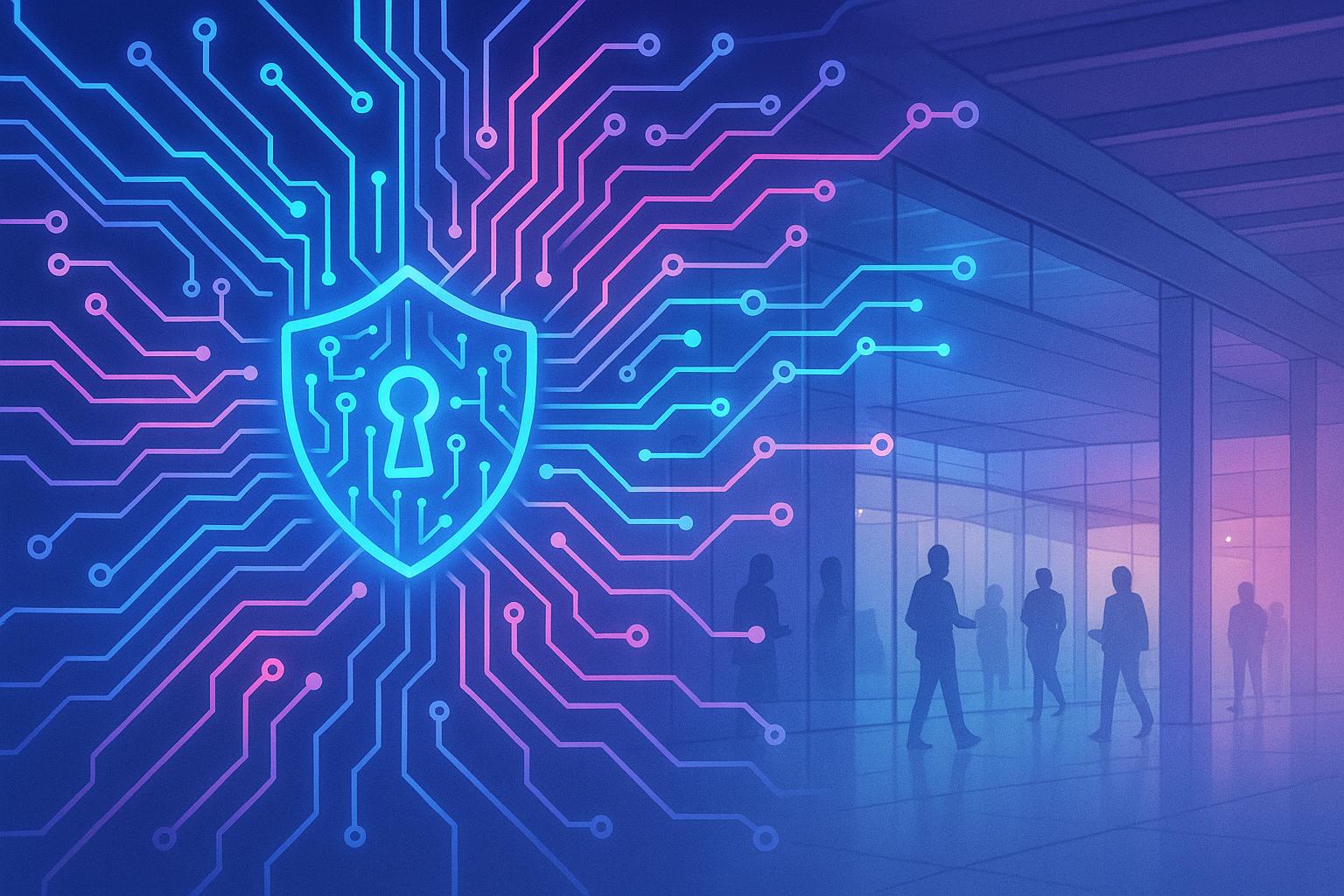
Hybrid events, blending physical venues and virtual platforms, create unique security challenges. AI is transforming how these events are protected by addressing both physical and digital vulnerabilities. Here's how AI is reshaping hybrid event security:
Real-time Threat Detection: AI monitors video feeds, detects suspicious activity, and flags risks like abandoned objects or unusual crowd behavior.
Automated User Verification: Biometric tools like facial recognition ensure quick, accurate identity checks, reducing delays and enhancing safety.
Continuous Data Monitoring: AI analyzes access logs and network activity to detect anomalies, prevent breaches, and maintain data integrity.
Predictive Analytics: By analyzing historical data and online sentiment, AI helps forecast potential risks, allowing for preemptive measures.
AI-powered systems not only improve security but also streamline operations, ensuring smooth and safe experiences for participants. Event organizers should integrate these tools to address modern threats while complying with data privacy standards.
AI, Security, and the Hybrid World: Akamai’s Vision for RSAC 2025
Core AI Technologies for Hybrid Event Security
Securing hybrid events requires a blend of advanced AI technologies that work together to provide robust protection. These systems process massive amounts of data in real time, identifying potential threats and verifying identities to ensure a secure environment.
Real-Time Threat Detection
AI-driven surveillance systems are designed to monitor video feeds continuously, identifying unusual objects or activities with unmatched precision. Unlike human operators, who may miss details due to fatigue, these systems maintain constant focus and accuracy.
Video analytics play a central role in modern threat detection, leveraging computer vision to pinpoint specific objects and behaviors. For example, these systems can quickly identify abandoned bags, detect weapon-like shapes, or flag irregular crowd movements. Beyond object recognition, they analyze movement patterns to predict risks like potential stampedes or early signs of fire.
Behavioral analysis adds an extra layer of security by learning what constitutes normal activity and flagging deviations. If someone lingers in a restricted area or moves against the crowd flow, the system triggers an alert, allowing security teams to respond promptly.
These AI-powered tools have proven their reliability during global events, where they seamlessly integrate with existing security measures. By handling constant surveillance, AI allows human teams to focus on strategic decisions and coordinated responses, creating a more efficient security operation.
Automated User Verification
Biometric authentication has transformed how attendees are verified, replacing slower, less secure manual methods. AI systems now use technologies like facial recognition, fingerprint scanning, and behavioral biometrics to confirm identities quickly and accurately.
Facial recognition technology is particularly effective, verifying identities in under two seconds compared to the 15–30 seconds required for manual checks. A notable example is the Brit Awards 2022, where the O2 Arena’s security team used AI-powered facial recognition to process thousands of attendees efficiently, enhancing both entry speed and security.
Multi-factor authentication further strengthens security by combining biometric verification with additional measures, creating multiple layers of protection.
Behavioral biometrics introduce an invisible layer of security by analyzing unique user patterns, such as typing rhythms or touchscreen gestures. These subtle behaviors are nearly impossible to mimic, making them ideal for detecting unauthorized access or account takeovers.
By automating identity verification with such precision, security teams can focus on addressing genuine threats while maintaining a smooth experience for event attendees.
Data Monitoring and Anomaly Detection
The third pillar of hybrid event security is continuous data monitoring, which builds on threat detection and user verification to create a comprehensive defense. Machine learning algorithms analyze data streams - like access logs, network activity, and attendee behavior - identifying unusual patterns that could signal security breaches or violations.
Network monitoring plays a critical role by tracking digital communications and data transfers during events. AI can detect subtle signs of cyberattacks, such as unauthorized access attempts or gradual data exfiltration.
Compliance monitoring ensures that all data handling aligns with privacy regulations and organizational policies. These systems automatically generate audit trails, track access permissions, and flag activities that may breach privacy laws, reducing risks tied to human oversight.
Predictive analytics take monitoring a step further by using historical data and current trends to anticipate potential security issues. For instance, one European security firm reported an 87% success rate in predicting protest activity at flagged events by analyzing social media sentiment, historical trends, and local conditions. This foresight allows organizers to prepare and implement countermeasures before problems arise.
By correlating thousands of data points across both physical and digital spaces, AI provides actionable insights that would be nearly impossible to achieve manually. This continuous monitoring strengthens the overall security framework, ensuring a seamless and secure experience for hybrid event participants.
Together, these three AI technologies - real-time threat detection, automated user verification, and continuous data monitoring - form a powerful framework. They catch threats as they arise, ensure only authorized individuals gain access, and maintain vigilance over digital interactions, creating a safer environment for hybrid events.
Best Practices for Secure Hybrid Events
To ensure the safety of hybrid events that blend physical and virtual environments, event organizers need practical security protocols. By combining AI-driven threat detection, user verification, and data monitoring, these measures help address the unique challenges of hybrid events. Together with advanced AI tools, these practices establish a unified and effective security framework.
Zero Trust Architecture and Access Control
A Zero Trust Architecture operates on a simple but powerful principle: no one - whether a person, device, or application - is trusted by default. Every user or system must verify their identity before accessing any part of the event system, no matter where they’re connecting from.
This approach is especially important for hybrid events, which often involve multiple access points. Physical attendees may connect to on-site Wi-Fi, while virtual participants log in from various devices and platforms. Traditional security models that trust users once they’re "inside" the network fall short in such complex setups.
To enhance security, multi-factor authentication (MFA) combines biometric verification with additional safeguards, providing a quick and secure way to verify users. Role-based access permissions further refine this system, ensuring that each individual - whether an attendee, speaker, or staff member - only accesses what they need. For example, a general attendee shouldn’t have the same access as a technical coordinator, and virtual participants shouldn’t be able to access backstage areas meant for on-site staff.
Real-time activity monitoring adds another layer of protection, allowing event organizers to track how users interact with systems. Granular access controls help prevent misuse, securing both physical and virtual environments.
Data Protection Measures
Safeguarding sensitive information requires a multi-layered defense strategy to protect data at all stages - whether it’s being stored, transmitted, or actively used during the event. End-to-end encryption ensures that communications remain private, shielding registration details, payment data, and conversations from unauthorized access.
Tokenization is another powerful tool, replacing sensitive data like credit card numbers with non-sensitive substitutes. This reduces the risk of cybercriminals exploiting valuable information, especially during hybrid events that handle payments and store attendee details across multiple platforms.
To secure data in transit, protocols like TLS/SSL create encrypted communication channels, protecting information as it moves between attendee devices, virtual platforms, and venue systems.
Regular security audits are essential for identifying vulnerabilities before they become problems. These reviews should cover both technical infrastructure and operational procedures, ensuring the event’s data protection measures remain effective as needs evolve.
Security Measure | Traditional Approach | AI-Enhanced Hybrid Security |
|---|---|---|
Access Control | Manual credential checks | Biometric verification in under 2 seconds |
Threat Detection | Human observation only | Real-time AI analytics with instant alerts |
Data Protection | Basic password security | Multi-layer encryption with tokenization |
Response Time | Minutes to hours | Seconds with automated systems |
Coverage | Limited by staff availability | 24/7 monitoring across all platforms |
Cloud-Native Security and Scalability
Hybrid events require security solutions that can adapt on the fly to changing demands. Cloud-native security offers the flexibility and scalability needed to manage multiple entry points seamlessly. Unlike traditional systems that rely on extensive on-site hardware and manual setups, cloud-based platforms can adjust instantly to shifts in event size and requirements.
For example, if virtual attendance suddenly doubles or additional physical locations are added, cloud-based security scales automatically - no need for new hardware or lengthy setup processes. This flexibility ensures consistent protection regardless of how the event evolves.
Centralized management is another advantage of cloud-native systems. Security teams can monitor and control all aspects of the event - such as access logs, virtual platform activity, and incident responses - from a single dashboard. This unified interface provides complete visibility and simplifies coordination.
Cloud-based platforms also stay current with the latest threat intelligence and security updates. Real-time updates allow for instant deployment of patches, algorithm improvements, and access control adjustments across the entire event infrastructure.
In addition, cloud-native solutions offer robust disaster recovery capabilities, ensuring continuity even during unexpected disruptions. Their integration capabilities enable seamless connections with AI analytics, automated response systems, and existing event management tools. This interconnected approach creates a cohesive security ecosystem, far surpassing what traditional systems can achieve.
Case Study: AI Twins for Secure Creator-Led Hybrid Events
Creator-led hybrid events, which blend physical and virtual audiences, bring unique security challenges to the table. Expanding on AI-driven threat detection and verification, TwinTone's AI Twins step in to address these issues head-on. These advanced AI tools are designed to maintain high security standards while delivering interactive and engaging experiences, all powered by cutting-edge artificial intelligence.
How AI Twins Enhance Security and Engagement
TwinTone's AI Twins streamline critical security tasks that would typically require significant human oversight. These systems manage real-time moderation, attendee verification, and live monitoring, creating a robust security framework.
For instance, AI Twins use TwinTone's proprietary biometric technology to verify user identities in under two seconds with an impressive 99.9% accuracy rate. During live events, they actively monitor chat streams and video interactions, flagging inappropriate content or suspicious activities on the spot. Automated incident reports provide organizers with detailed security logs, ensuring rapid responses to potential threats - even when human moderators aren’t available.
A real-world example? At a recent virtual product launch, AI Twins handled attendee verification, moderated chats, and flagged questionable behavior. The result? Zero security incidents and a 30% boost in audience engagement.
Scalable Security for Large-Scale Events
When managing events with thousands of participants, scalability becomes crucial. AI Twins excel here, maintaining consistent security standards regardless of event size. They offer 24/7 monitoring and response capabilities without any performance dips, allowing creators to host massive events without increasing security staff or risking oversight.
What makes this even better is the seamless integration of branding. Since AI Twins are designed to reflect the creators they represent, they deliver branded interactions that align with the creator’s style while enforcing strict security protocols. This ensures every attendee enjoys a personalized and secure experience, safeguarding both the event's reputation and participant safety.
AI Twins also eliminate the risk of human fatigue, staying vigilant throughout multi-day events or continuous live streams - particularly valuable for global events that span multiple time zones. Their anomaly detection features allow them to identify unusual behavior patterns that might signal security threats, escalating serious issues to human moderators while independently managing routine tasks. This scalable approach not only protects events but also delivers tangible advantages for both brands and creators.
Benefits for Brands and Creators
TwinTone’s AI Twins bring a host of advantages, benefiting both brands and creators alike.
For brands, the platform delivers on-demand, branded user-generated content and supports 24/7 live product showcases. These automated security features help minimize reputational risks from potential security breaches while ensuring adherence to privacy and data protection standards. On the financial side, brands save on costs associated with creator coordination, contract negotiations, and post-production editing. With AI Twins, campaigns can launch in minutes - without compromising on security or quality.
Creators, on the other hand, gain peace of mind with automated moderation and security tools that shield their events from disruptions or unauthorized access. This allows them to focus on what they do best: creating content and engaging with their audience. Plus, creators can monetize their likeness through AI Twins, generating passive income while retaining full control over their brand and event security.
The platform’s multilingual capabilities - supporting over 40 languages - further enhance its appeal. Creators can connect with audiences worldwide, unlocking new monetization opportunities while ensuring security measures remain effective across different regions and languages.
Benefit Category | For Brands | For Creators |
|---|---|---|
Security | Reduced risk of incidents, compliance with regulations | Automated protection, disruption-free events |
Scalability | 24/7 content delivery, global audience reach | Unlimited event capacity, consistent quality |
Revenue | Lower coordination costs, faster campaign launches | Monetized likeness, passive income opportunities |
Engagement | Personalized interactions, better conversions | More time for content creation, audience growth |
Future Trends in AI for Hybrid Event Security
AI is reshaping how hybrid events are secured, blending physical and digital safeguards into a seamless system. These advancements are moving security from a reactive stance to one that anticipates and prevents threats before they disrupt events. Let’s explore the key trends shaping this transformation.
Predictive Analytics and Proactive Security
The ability to foresee potential security risks is becoming the cornerstone of hybrid event safety. Predictive analytics uses large datasets - ranging from historical event data and social media sentiment to weather forecasts and ticket sales - to identify potential threats. For instance, a European security firm successfully used this technology to predict protest activity at flagged events by analyzing online sentiment and historical patterns. This allowed event organizers to implement preemptive measures, significantly improving safety.
These advanced systems don’t just predict risks - they also connect the dots between diverse data sources to uncover vulnerabilities. Once risks are identified, autonomous systems step in to act with minimal human involvement.
Autonomous Security Systems
AI-powered autonomous systems are revolutionizing event security by maintaining constant vigilance, free from the limitations of human fatigue. Unlike human operators, who may lose focus after just 20 minutes of monitoring, these systems can analyze hundreds of camera feeds simultaneously. They detect abandoned items, identify weapon shapes, monitor unusual crowd behavior, and even spot early signs of fire.
These systems don’t stop at physical security. They also oversee digital platforms, managing access attempts, monitoring chats, and verifying identities. For example, platforms like TwinTone are integrating AI Twins - virtual hosts capable of handling routine security tasks like identity checks and content moderation. Complex issues are escalated to human operators only when necessary, ensuring a smooth and secure experience for attendees.
As these systems grow more advanced, they must also adapt to stricter privacy and compliance regulations.
Changing Privacy and Compliance Standards
With the rise of sophisticated AI security systems comes the challenge of navigating complex privacy laws. In the United States, regulations like the California Consumer Privacy Act (CCPA) demand that AI systems handle personal data responsibly. This includes ensuring transparency in data processing and providing clear opt-out options for attendees.
To meet these standards, security vendors are developing systems that anonymize data, maintain detailed audit trails, and adapt to new legal requirements. The balance between robust security and attendee privacy is delicate, especially in hybrid settings. However, privacy-preserving AI is becoming a priority, offering event organizers tools that not only meet regulatory demands but also build attendee trust.
Trend | Current Capability | Future Impact |
|---|---|---|
Predictive Analytics | 87% accuracy in threat prediction | Proactive risk prevention and scenario modeling |
Autonomous Systems | 24/7 monitoring with 99.9% verification accuracy | Fully automated security operations |
Privacy Compliance | Basic adherence to CCPA standards | Comprehensive privacy-preserving AI |
These trends are setting the stage for a future where hybrid events are not just secure but also proactive and privacy-conscious. By adopting these AI-driven technologies, event organizers can create safer, more engaging experiences while staying ahead of ever-changing regulations and attendee expectations.
Conclusion: AI as the Future of Hybrid Event Security
AI is reshaping hybrid event security, shifting the focus from reacting to incidents to actively preventing threats. For instance, AI systems can verify identities in less than two seconds with an impressive 99.9% accuracy rate, monitor hundreds of camera feeds at once, and identify potential risks that human operators might overlook due to fatigue or other limitations. These advancements bring key benefits like real-time threat detection, automated identity checks, and continuous monitoring of data. Beyond strengthening security, these tools also streamline operations, improving the overall experience for attendees. Real-world use cases show how AI can eliminate bottlenecks while maintaining robust security measures.
To get started, event organizers should evaluate their specific security needs and pinpoint areas where AI can deliver the most impact, whether that’s in surveillance, access control, or identifying anomalies. Partner with trusted vendors who have a proven track record, and work to integrate AI into your existing security systems for smooth operation. Training staff to interpret and act on AI-generated alerts is equally critical. This combination of AI automation and human expertise has already proven effective across North America, where many organizations employ 24/7 AI monitoring alongside skilled oversight.
Data privacy and compliance are equally important considerations. In the U.S., regulations like the California Consumer Privacy Act (CCPA) require transparency in data collection and mandate clear attendee consent for using biometric data. Implement these protocols early on and schedule regular audits to ensure compliance as laws evolve.
For creator-led events, platforms like TwinTone highlight how AI can enhance both security and engagement. By enabling virtual hosting and real-time content moderation, these tools minimize physical security risks while fostering genuine connections between creators and their audiences. This example shows how customized AI solutions can support both safety and interaction in creator-focused events.
To measure success, track metrics such as response times, detection accuracy, and the number of prevented security breaches. Regularly reviewing system performance and applying updates will keep your security measures aligned with new and emerging threats.
As hybrid events grow more complex, adopting AI-driven security solutions isn’t just a smart move - it’s becoming essential. Organizations that integrate these technologies now will be better prepared to handle tomorrow’s sophisticated security challenges while ensuring safer and smoother experiences for everyone involved.
FAQs
How does AI enhance security operations for hybrid events compared to traditional approaches?
AI plays a key role in boosting security for hybrid events by delivering real-time threat detection, user verification, and data monitoring. Unlike older methods, AI systems can process massive amounts of data in seconds, spot unusual activity, and take action to address risks before they escalate. This creates a safer environment for both on-site and virtual participants.
Take registration, for instance - AI can handle identity verification automatically, cutting down on manual mistakes and speeding up check-ins. On top of that, advanced monitoring tools can identify cybersecurity risks during live streams or virtual sessions, protecting sensitive data. These advancements not only strengthen security but also streamline operations, freeing organizers to focus on creating a smooth and engaging event experience.
What privacy concerns come with using AI technologies like facial recognition at hybrid events, and how can organizers address them?
AI technologies, like facial recognition, often spark privacy concerns. These can include the risk of unauthorized data collection, misuse of personal information, or a lack of clarity about how attendee data is stored and handled. Such issues can leave participants feeling uneasy or even mistrustful.
To tackle these challenges, event organizers should focus on open communication about how data will be used, secure clear consent from attendees, and enforce strong data protection protocols. Steps like encrypting sensitive information, restricting data access, and complying with privacy laws such as GDPR or CCPA are key. By taking these actions, organizers can help foster a more secure and trustworthy atmosphere for hybrid events.
How can event organizers use AI for security while staying compliant with data privacy laws?
To align with data privacy regulations when deploying AI for event security, organizers must focus on transparency and strong data management. This means clearly explaining to attendees how their data will be collected, used, and stored, while also obtaining their consent when required. Safeguarding sensitive information should involve measures like data encryption, access controls, and routine audits.
It’s also crucial to partner with AI providers that comply with privacy laws such as the General Data Protection Regulation (GDPR) or the California Consumer Privacy Act (CCPA). Doing so ensures the technology not only meets legal standards but also prioritizes the protection of attendee data.