influencer marketing
AI-Driven Influencer Marketing Explained
AI-driven influencer marketing uses data to match brands with creators, detect fraud, and automate content. AI hosts scale campaigns 24/7 across live streams.
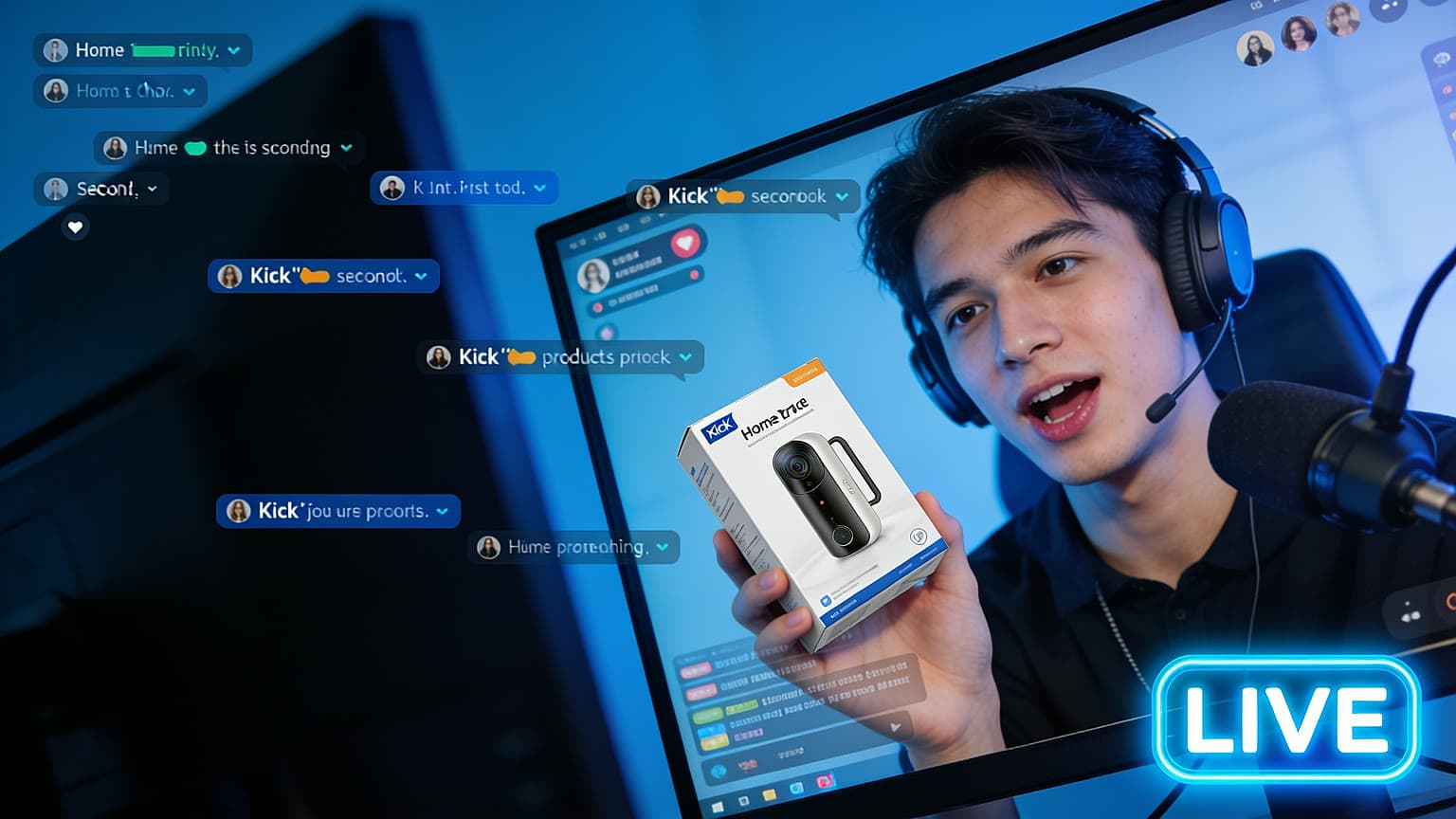
AI-driven influencer marketing is reshaping how brands connect with creators. By analyzing vast data sets, AI simplifies influencer selection, content creation, and campaign management while boosting ROI. Instead of relying on follower counts or intuition, AI tools detect fake followers, predict campaign performance, and personalize strategies to specific audiences.
AI isn't replacing marketers; it's removing tedious tasks so teams can focus on strategy and relationships. With the influencer marketing industry projected to exceed $30 billion by 2025, AI-based tools are becoming essential for success.
Comparing AI vs. manual creator discovery reveals that finding the right influencers manually can feel like searching for a needle in a haystack · time-consuming and often hit-or-miss. AI simplifies this process by analyzing vast amounts of data in record time, diving into audience demographics, content themes, and even visual aesthetics. Using tools like natural language processing (to interpret captions and comments), computer vision (to spot brand logos and visual styles), and lookalike modeling (to find creators with similar audiences to your top performers), AI ensures a more accurate match between brands and influencers.
The results speak for themselves. Around 60.2% of marketers now rely on AI for identifying influencers and optimizing campaigns, while nearly 29.8% still find influencer discovery a major challenge. Brands leveraging predictive analytics see about 25% higher ROI, as AI forecasts key performance metrics · like engagement rates and conversions · before any contracts are signed. In short, AI replaces guesswork with actionable insights.
AI goes beyond surface-level metrics like follower counts or basic demographics. It digs deeper into audience behavior, interests, and engagement patterns to uncover what truly resonates with people · what they care about, buy, and interact with. For example, instead of broadly targeting "fitness influencers", AI can pinpoint creators whose audiences are into specific niches like sneaker reselling or plant-based diets, even if those interests aren’t explicitly mentioned in their profiles.
This level of precision is powered by a mix of advanced technologies. Natural language processing scans video transcripts and comment threads to identify themes that align with your brand’s values. Computer vision evaluates images to ensure a creator’s visual style matches your brand identity. Predictive models then estimate ROI, cost per acquisition, and return on ad spend · giving you clear insights before spending a dime. Within minutes, you get a curated list of pre-vetted influencers.
Influencer Marketing with AI: All You Need to Know
AI-Powered Influencer Matching
Fraud remains a significant issue in influencer marketing. In 2024, 55.6% of mega-influencers (those with over 1 million followers) were linked to fraudulent activities, leading brands to waste an estimated 15% of their budgets on fake metrics. AI plays a crucial role in combating this problem, identifying fraud with up to 96% accuracy.
How does it work? AI flags suspicious activity like sudden spikes of 5,000+ followers overnight, generic comments (e.g., strings of emojis or "Great post!"), and inconsistencies between a creator's content language and their audience's geographic location. It also uncovers engagement pods · groups of influencers artificially boosting each other’s metrics through coordinated likes and comments. Campaigns featuring authentic influencers have been shown to deliver 3.7x higher conversion rates compared to those riddled with fraudulent metrics.
Creating content manually used to be a time-consuming process. But AI has completely changed the game. Today, over 75% of marketers incorporate AI tools into their workflows, and about 19% of businesses specifically use AI to generate content. By leveraging AI, content production costs can drop by up to 80% compared to traditional methods like filming and editing.
AI doesn't just make content creation faster · it also ensures consistency, improves discoverability, and tailors content to specific audiences without overwhelming creative teams. Using natural language processing, AI tools can analyze millions of posts to uncover trends, identify the best tones, and suggest high-performing hashtags. These capabilities extend into more detailed tasks, as outlined below.
With tools like ChatGPT and Jasper.ai, influencers can quickly create multiple content angles, hooks, and script variations. Platforms such as Copy.ai and Grammarly help maintain a consistent brand voice across captions.
Fraud Detection with AI
Social listening tools like Brandwatch and Brand24 take it a step further by analyzing comment threads and sentiment to spot emerging trends. For instance, between 2020 and 2022, the University of Glasgow used Brandwatch's "Signals and Alerts" feature to monitor student and staff sentiment during the pandemic. This allowed their social team to identify potential reputational risks and adjust their messaging in real time.
AI also plays a crucial role in boosting content reach. Tools like Surfer SEO help influencers and brands identify trending hashtags and competitive keywords to improve visibility. For global audiences, platforms like HeyGen and Synthesia can translate scripts into 120–140 languages while maintaining natural lip-syncing. AI-driven audience optimization has proven its value, with studies showing it can improve Return on Ad Spend (ROAS) by up to 64% by dynamically matching creative content to specific audience segments. These advancements highlight how AI-powered tools are reshaping influencer campaigns.
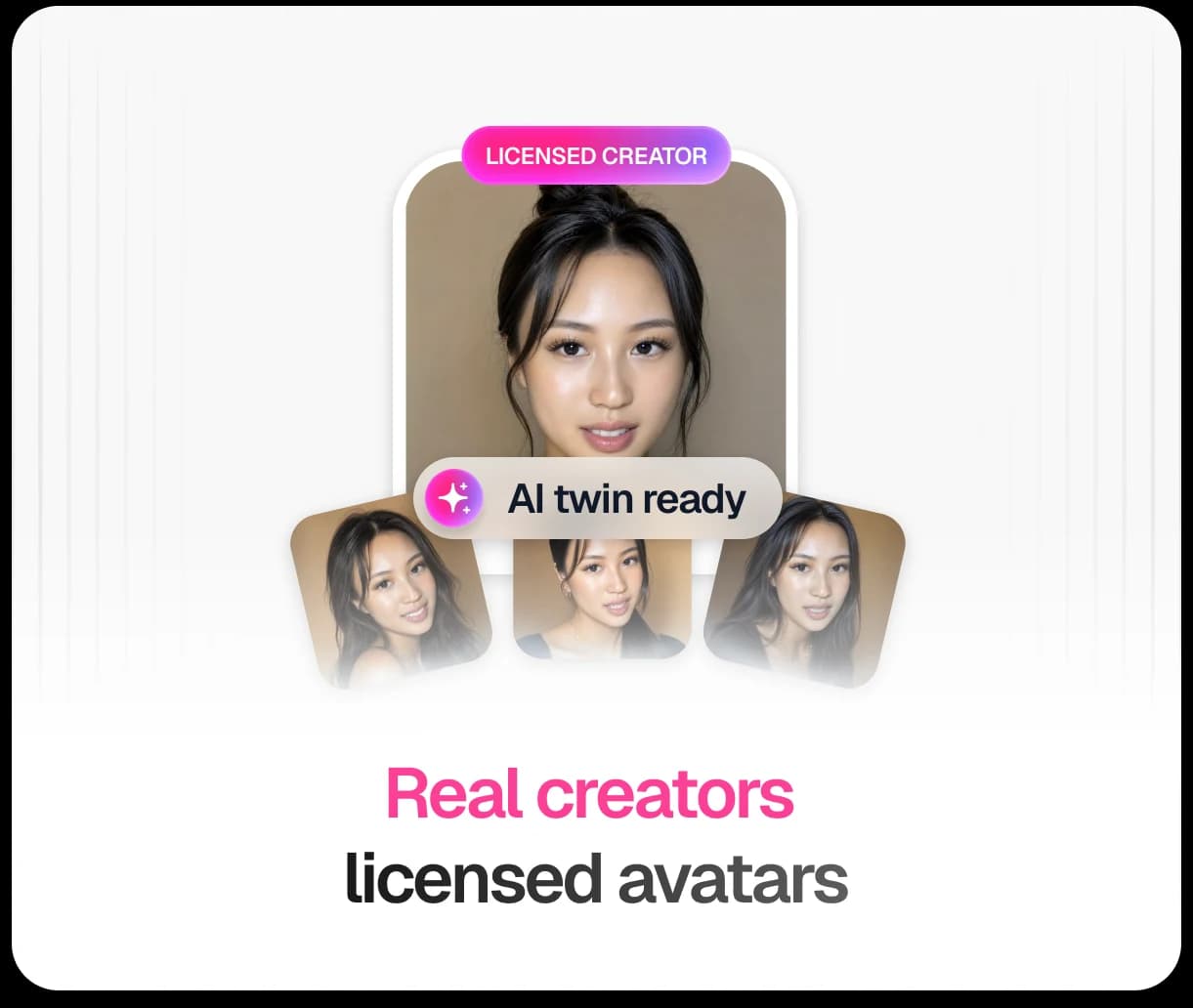
AI has also made it possible to produce user-generated content (UGC) and shoppable content on demand. Take TwinTone, for example. This tool allows brands to generate authentic UGC videos in minutes using AI hosts · digital replicas that mimic an influencer's tone, style, and personality. Brands can use these AI hosts to create product demos, promotional content, and shoppable posts across platforms like TikTok, Shopify, Amazon, YouTube, and Meta.
This approach not only scales content production but also maintains a sense of authenticity. A great example is Burger King's "Million Dollar Whopper" campaign in 2025. They combined an AI-powered burger creator website with human influencers like Mari and Candice (@mariandcandicee) to showcase the tool, blending AI and human influencers to drive contest participation to drive contest participation.
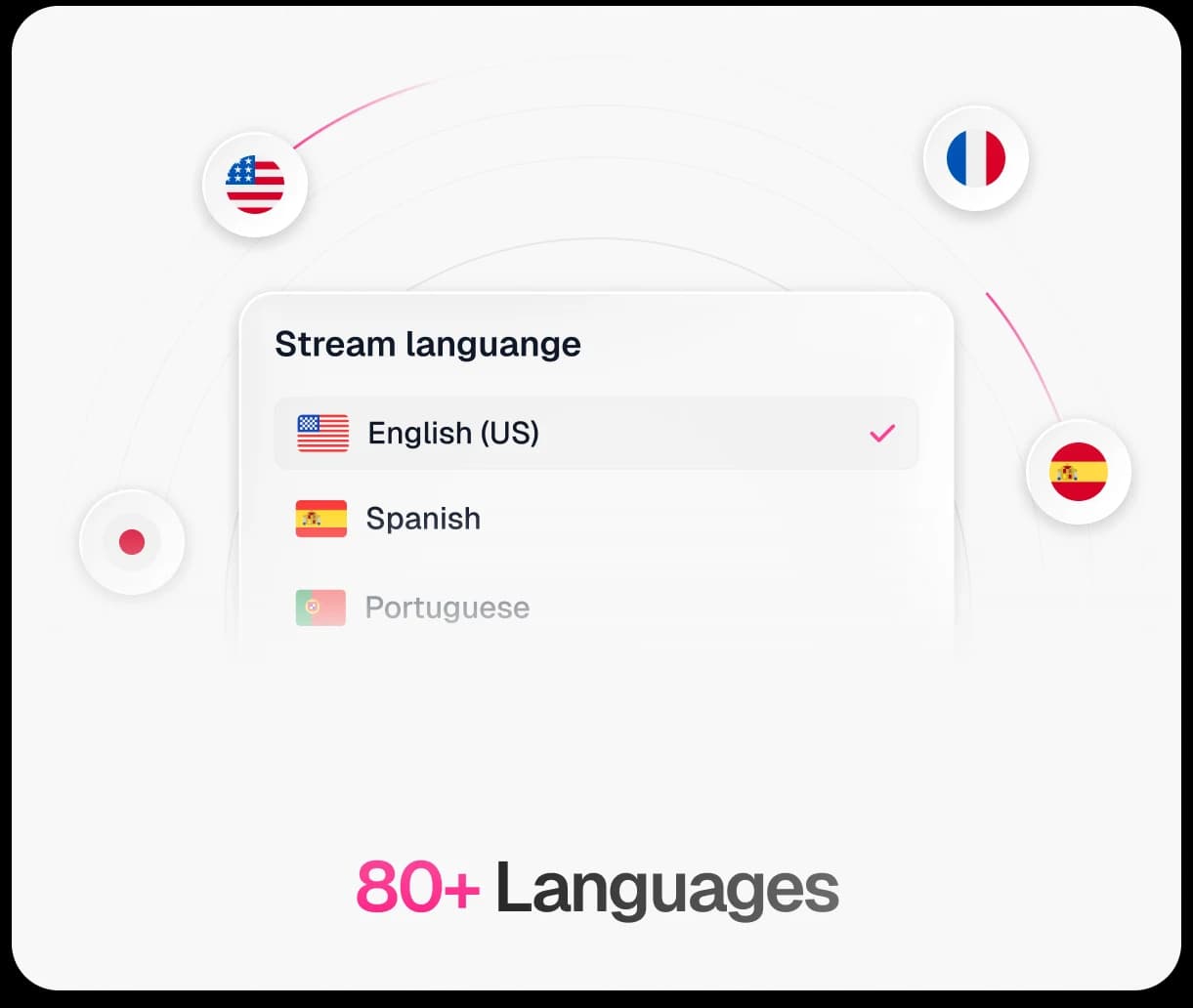
TwinTone also supports over 40 languages and offers API access, making it easier for brands to create content programmatically across different SKUs and campaigns. This allows for testing various creative versions to find the most effective hooks before committing to a full campaign budget. As one reviewer put it:
"As someone on a tight budget, having an entire digital influencer available 24/7 to create content is a game-changer".
In 2024, 55.6% of mega-influencers (those with over 1 million followers) were linked to fraudulent activities, leading brands to waste an estimated 15% of their budgets on fake metrics.
How AI Automates Influencer Discovery
AI-Generated Captions, Hashtags, and Scripts
With the global virtual influencer market projected to hit $37.8 billion by 2030, it's clear that AI is fueling a new era of content creation.
Traditional vs AI-Driven Influencer Marketing Campaign Management Comparison
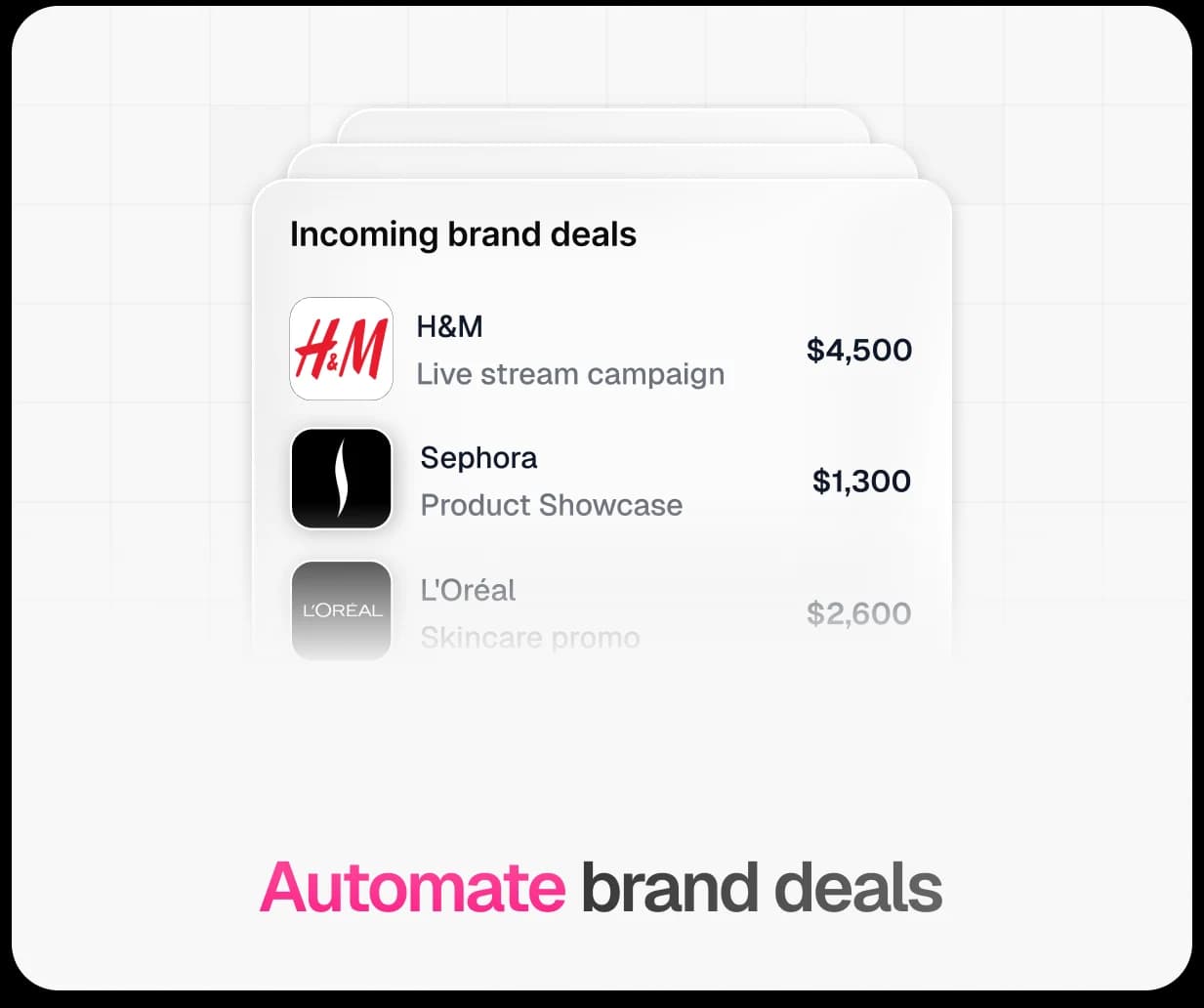
AI has moved beyond simplifying influencer discovery and content creation · it’s now reshaping campaign management and analytics. With the global influencer marketing industry projected to reach $32.55 billion by 2025, reflecting a 35% increase from 2024, manual campaign management simply can’t keep up. AI platforms are stepping in to automate tasks like contract generation and real-time performance tracking, giving teams more time to focus on strategy rather than administrative duties.
AI takes the hassle out of campaign workflows. Tasks like drafting briefs, tracking milestones, and managing approvals are no longer bottlenecks. AI platforms handle these processes automatically, routing influencer-submitted content through approval chains, flagging issues like missing usage rights, and even sending alerts when licenses are about to expire.
Contracts are also standardized, ensuring compliance while managing multi-currency payments and tax calculations. This automation is a game-changer · 75% of marketers say it allows them to focus on high-value tasks like strategy and creative planning.
On-Demand UGC and Shoppable Content Creation
Take About You, for instance. This fashion retailer introduced advanced analytics for creator partnerships in 2025, leading to a 49% drop in Cost Per Acquisition (CPA). By automating workflows and reallocating budgets in real time, brands like About You can pause underperforming campaigns within hours and redirect resources to strategies that deliver results.
Measuring ROI has traditionally been a fragmented process, requiring data from multiple platforms and relying on outdated models like last-click attribution. AI changes the game by consolidating data from social platforms, e-commerce systems, and CRMs into a unified view. With multi-touch attribution models · like linear, time-decay, and U-shaped · AI ensures every influencer interaction, from initial awareness to conversion, gets its due credit.
AI also goes beyond surface metrics. Using Natural Language Processing (NLP), it analyzes comment sentiment to separate genuine purchase intent from bot activity. This is crucial, as 28% of influencer followers in 2025 were fake or bot accounts, up from 23% in 2023. AI-driven fraud detection can identify 95.5% of fraudulent activity, safeguarding brands from the $1.3 billion lost annually to influencer fraud.
Predictive scorecards are another powerful AI tool, helping brands forecast performance before signing contracts. For example, in 2025, Therabody used these scorecards to select fitness influencers for paid amplification, boosting their ROAS from 2.2x to 4.5x in one quarter. Similarly, Lookfantastic used AI to predict ROAS and amplify high-performing creators’ content, achieving an 11x ROAS.
"This isn't experimentation anymore; this is a marketing transformation with AI at the core of brand interactions. We used to turn around campaigns in weeks, now we do it in hours." · Mark Lallemand, CMO of Western Europe, L'Oréal
In a 2025 survey, 37.4% of respondents reported that AI significantly improved their influencer marketing outcomes, while 41% of marketers listed better predictive analytics as their top priority for improving campaign performance.
AI Tools for Content Creation and Optimization
Automating Campaign Workflows
AI-driven tools deliver measurable advantages over traditional methods, as highlighted below:
- Traditional Campaign Management
- Weeks of manual outreach and vetting
- Days or hours via automated workflows
- High labor costs for admin tasks
AI-Powered ROI Measurement
- Up to 30% faster response times in optimization
- Based on follower count and intuition
- Predictive fit analysis with 34% average ROI improvement
- Manual audit of followers/comments
- Automated authenticity scoring (95.5% detection rate)
- Fragmented data, manual reporting
AI in Campaign Management and Analytics
Traditional vs. AI-Driven Campaign Metrics
- Real-time dashboards with multi-touch attribution
- Manage hundreds of creators simultaneously
Brands using AI report up to 30% faster response times when optimizing campaigns. Meanwhile, 48% of influencer marketing agencies say that clients now expect strategic guidance on AI and automation for 2025–2026.
"AI isn't a replacement for strategy or creativity. It's a multiplier."
Rather than replacing human expertise, AI eliminates repetitive tasks, enabling teams to focus on building relationships, refining creative efforts, and making smarter strategic decisions.
Key Features of TwinTone
TwinTone addresses the growing demand for automated, scalable influencer marketing by using AI to revolutionize content creation. The platform turns creators into AI hosts, capable of producing authentic user-generated content (UGC), live shopping streams, and shoppable videos on demand. Whether you're targeting TikTok, Shopify, Amazon, YouTube, or Meta, TwinTone delivers product demos and shoppable content instantly.
By eliminating the delays of traditional coordination, TwinTone allows brands to generate content programmatically. Need 10 videos? Or 500? The platform scales effortlessly without requiring extra staff or slowing down your timelines.
Here’s a closer look at what TwinTone brings to the table for AI-powered influencer marketing.
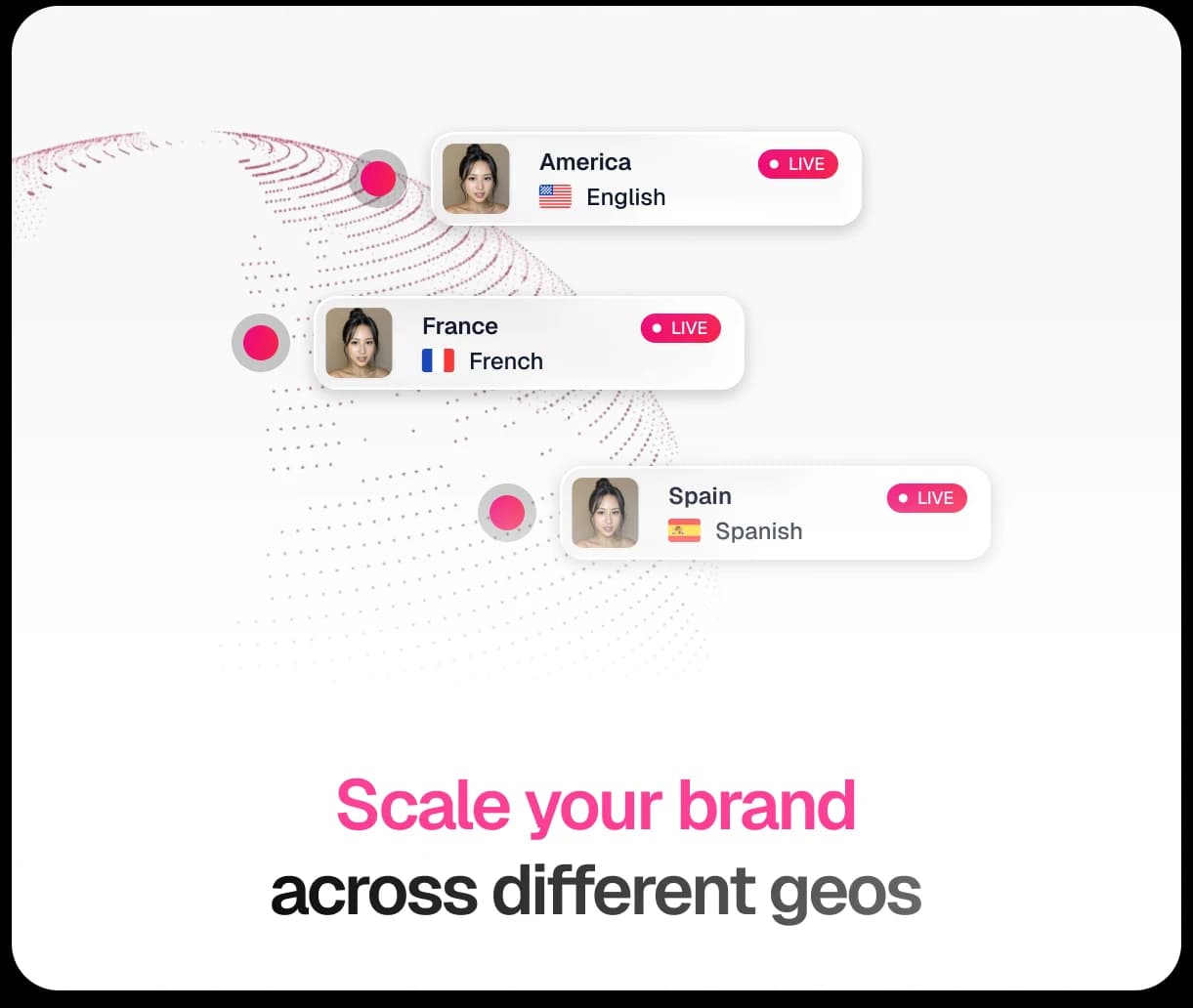
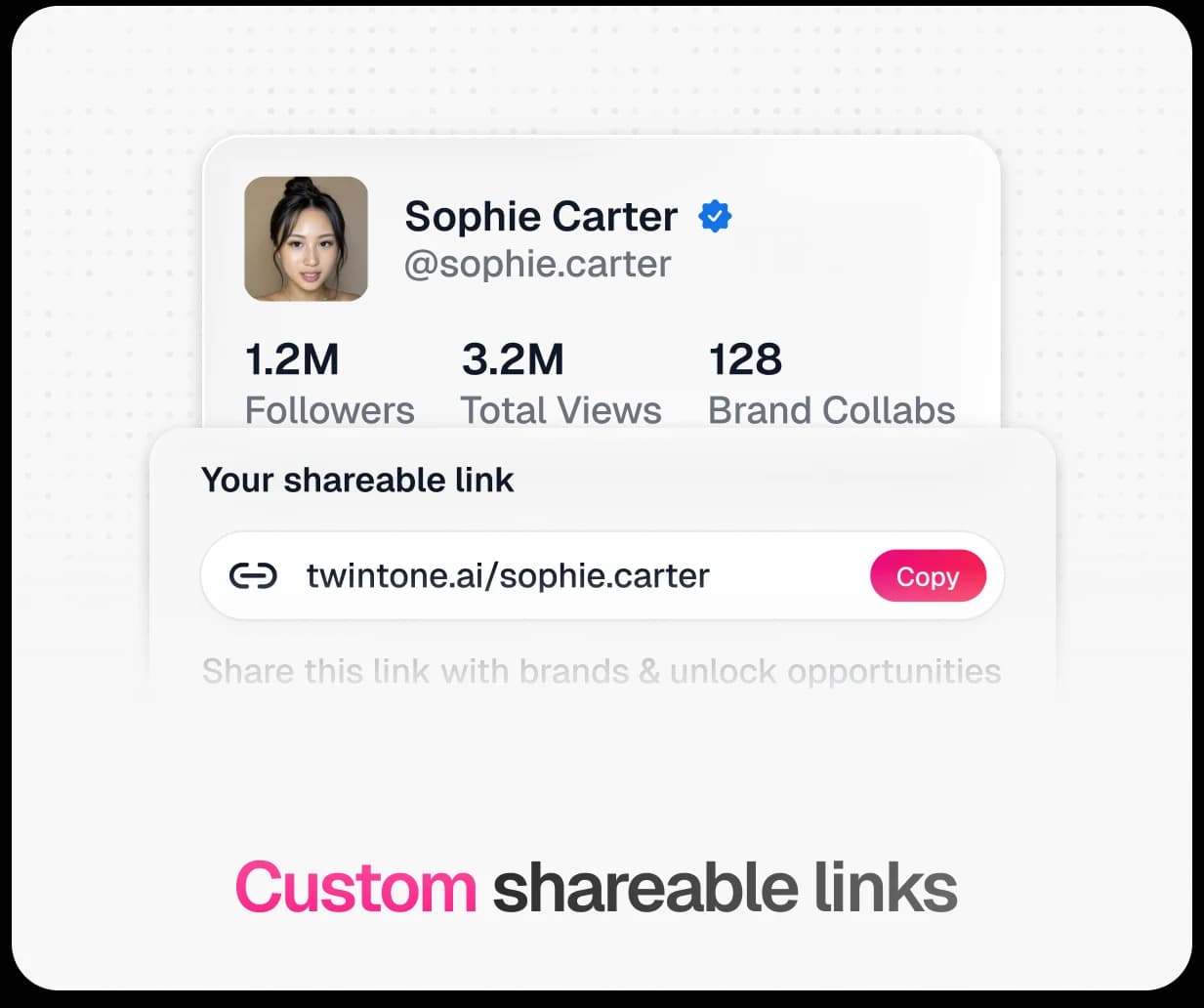
TwinTone’s AI Livestreams ensure creator content runs around the clock. These interactive streams engage audiences in real time, turning viewers into buyers. Plus, with multilingual content support in over 40 languages, brands can expand globally without needing to hire influencers for each region.
Another standout feature is on-demand UGC creation. Brands can generate creator videos instantly while preserving each creator’s tone, style, and personality. This keeps content feeling real and authentic while sidestepping the logistical challenges of traditional influencer partnerships. Shoppable videos add an extra layer by showcasing products with in-hand visuals, driving direct conversions from social platforms.
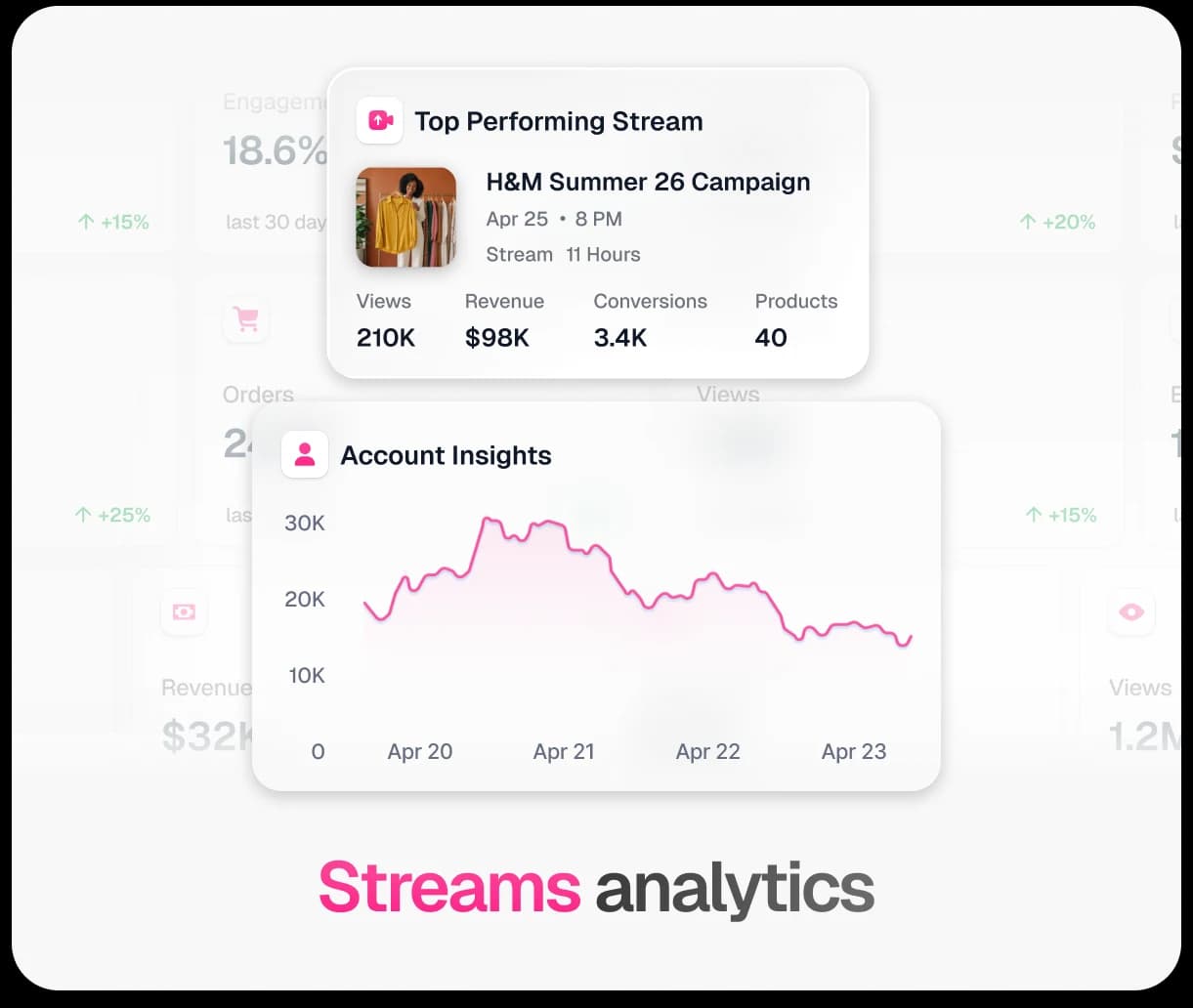
For brands managing large product catalogs or juggling multiple campaigns, API access integrates TwinTone seamlessly with existing tools. Real-time performance analytics track engagement, conversions, and ROI, offering the same data-driven insights brands rely on for traditional influencer marketing · but now applied to AI-generated content.
See an AI creator sell your products live
Connect your catalogue and go live in minutes · no studio, no crew.
TwinTone for Scalable AI Influencer Marketing
TwinTone Pricing Plans
TwinTone offers flexible pricing options to cater to brands at different stages · whether you're experimenting with AI-driven UGC or scaling up operations.
- Creator avatars, multilingual output, 60-second videos
- Expressive creator gestures, advanced voice styles, multilingual variations
- Premium creators, AI livestreaming access, priority support, brand-specific training
The Starter plan is ideal for brands testing the waters with AI-driven UGC or running smaller campaigns. The Pro plan doubles the video output and introduces advanced customization options. For high-volume operations, the Enterprise plan provides unlimited content generation, AI livestreaming, and dedicated support. All plans include performance analytics, so brands can measure ROI just as they would with traditional influencer campaigns.
How does AI help detect influencer fraud?
AI is reshaping the future of influencer marketing in ways that are impossible to ignore. From simplifying influencer discovery to streamlining campaign management and measurement, AI takes tasks that once consumed hours and completes them in minutes. With tools like automation, predictive analytics, and fraud detection, over 80% of influencer marketers now rely on AI daily, and nearly three-quarters anticipate full automation in the near future.
This transition from intuition-based strategies to data-driven precision allows brands to predict ROI before spending a dime, uncover genuine audiences amidst bot followers, and scale personalized content across thousands of products. AI-powered campaigns can deliver impressive results, increasing marketing ROI by 10% to 30% through smarter targeting and optimization.
Platforms like TwinTone are pushing these capabilities even further. By creating AI hosts of influencers, TwinTone enables brands to generate user-generated content, shoppable videos, and live shopping streams on demand. Whether you need a handful of videos or a large-scale production for a major campaign, TwinTone ensures efficient content creation while maintaining the distinct style and personality of each creator.
TwinTone's plans and pricing change over time · see twintone.ai for current details.
AI plays a key role in spotting influencer fraud by sifting through massive amounts of data to identify suspicious patterns and behaviors. It looks at metrics like engagement rates, follower authenticity, and content trends to flag issues such as fake followers or artificially boosted engagement.
On top of that, AI keeps an eye on influencer activity throughout campaigns, catching fraudulent actions as they happen. This real-time monitoring helps brands collaborate with authentic influencers, leading to better campaign outcomes and safeguarding their reputation. By automating these tasks, AI speeds up fraud detection, improves accuracy, and makes the process manageable for today's fast-paced influencer marketing landscape.
Conclusion
How does AI enhance content creation in influencer marketing?
AI is changing the game for content creation in influencer marketing by simplifying creative tasks and introducing fresh methods. It powers tools that can handle everything from brainstorming campaign ideas to writing compelling copy, designing visuals, and even producing entire campaigns. The result? High-quality, personalized content that aligns perfectly with the intended audience.
Another exciting development is the rise of virtual influencers. These are hyper-realistic, computer-generated personas that can endorse products and connect with audiences just like their human counterparts. For brands, virtual influencers offer a scalable and budget-friendly way to produce engaging and interactive content. This approach not only amplifies campaign effectiveness but also helps improve ROI.
AI tools are reshaping influencer marketing by making it more efficient and results-driven. These tools streamline the process of finding influencers by analyzing detailed data · like audience demographics, engagement rates, and past partnerships. This helps brands connect with influencers who truly align with their goals, cutting down on wasted time and resources.
Beyond that, AI boosts campaign performance by predicting outcomes and ensuring content reaches the right audience. With real-time analytics, brands can monitor how their campaigns are doing and tweak strategies on the fly, avoiding unnecessary spending on approaches that aren’t working. The result? Faster decision-making, stronger campaigns, and better returns on investment.
AI Transforms Influencer Engagement: 10 Strategies
How does AI improve ROI in influencer marketing campaigns?
- How to Use AI for Local Creator Discovery
- AI Tools for Geo-Specific Influencer Outreach
Influencer Marketing in 2026: What’s Changed?
See what an AI host does to a live stream. Get started with TwinTone or [book a walkthrough](mailto:james@twintone.ai).