How AI Simplifies Affiliate Campaign Management
How to build a futureproof relationship with AI
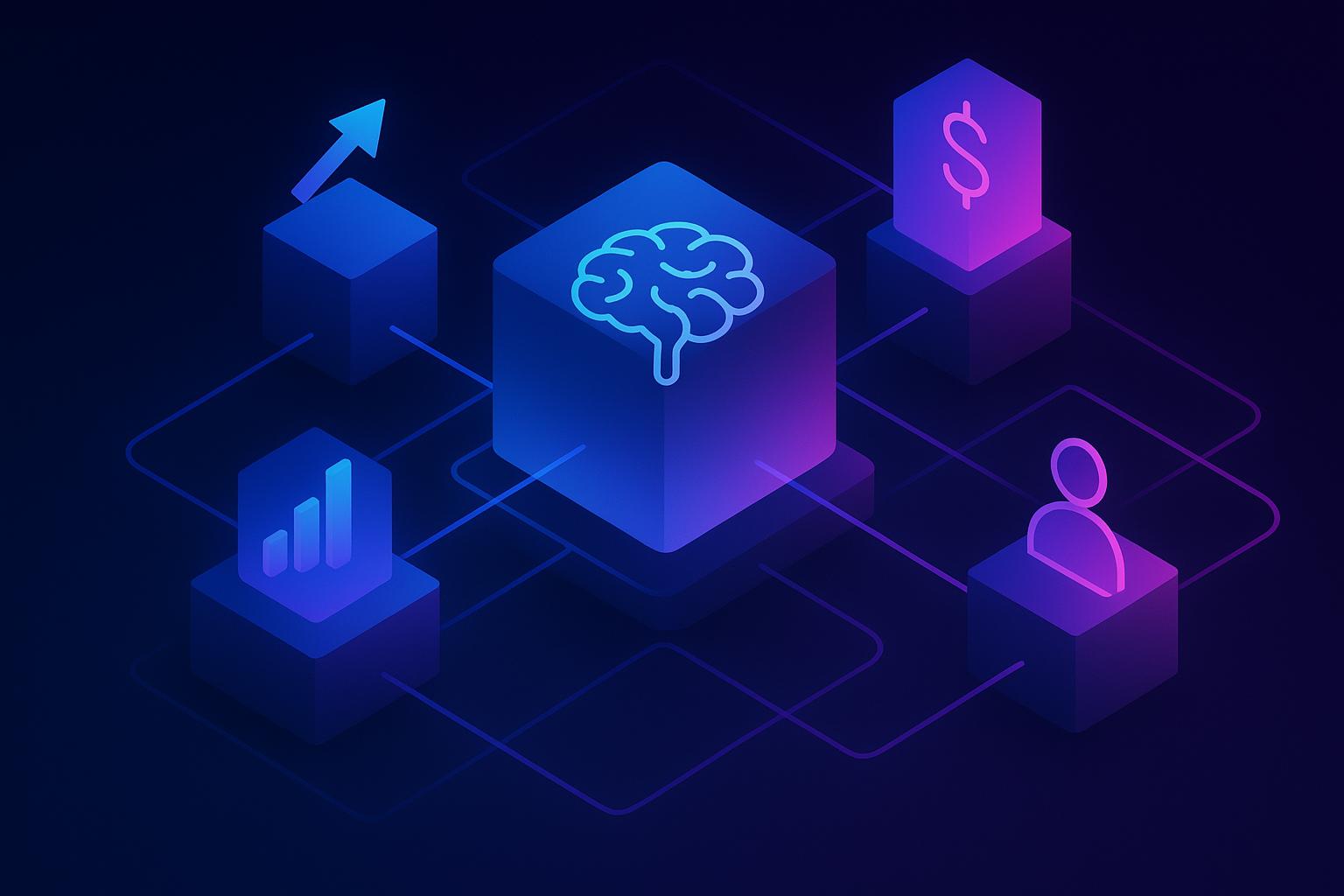
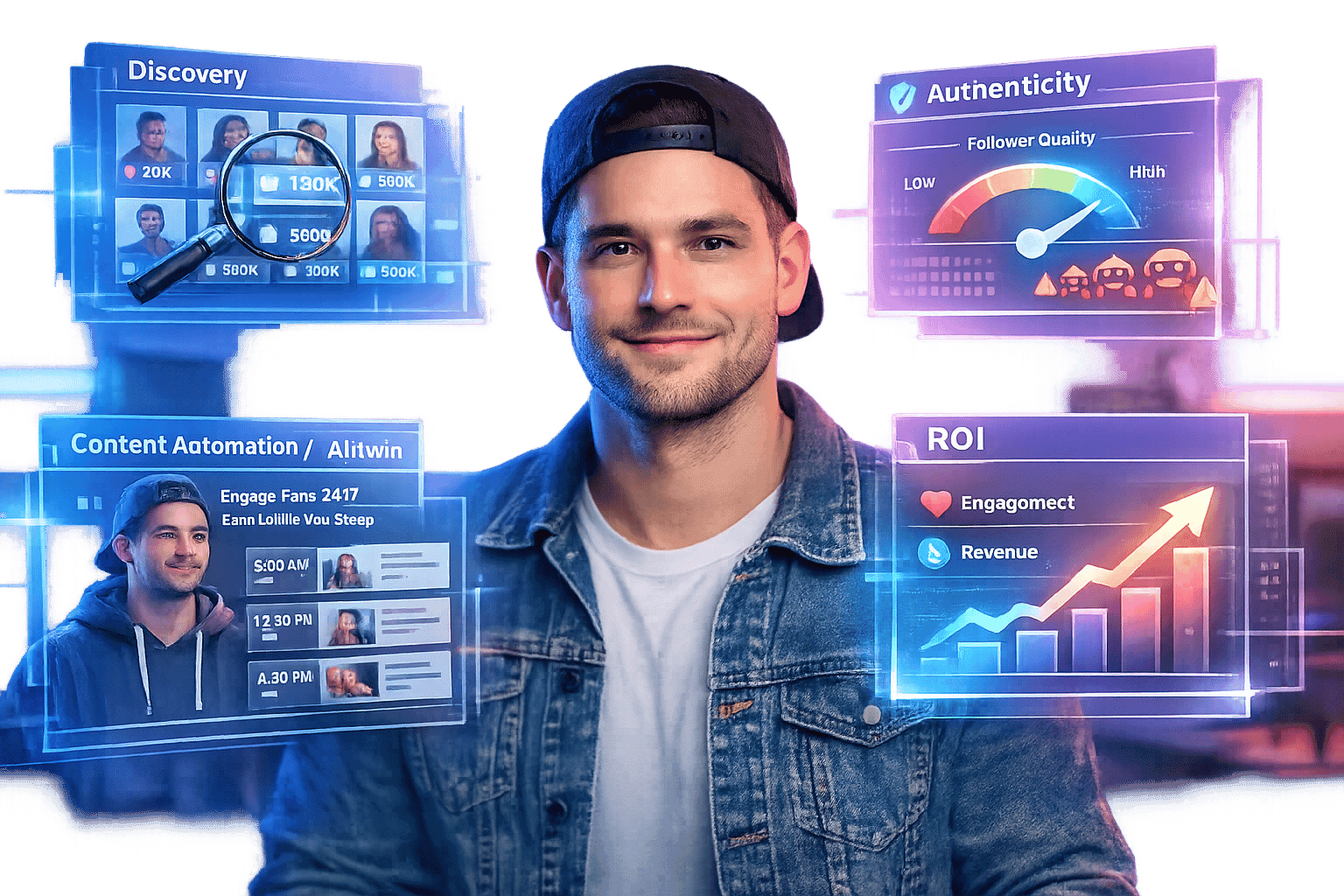
Affiliate marketing is complex, with multiple platforms, partners, and campaigns to manage. AI tools simplify this process by automating repetitive tasks, improving tracking accuracy, and enhancing content creation. Here’s what AI brings to the table:
Automation: Handles onboarding, communication, payouts, and fraud detection, saving time and reducing errors.
Tracking & Attribution: AI connects customer journeys across platforms, ensuring accurate credit for conversions.
Content Creation: Tools like ChatGPT and Canva speed up copywriting and design, while AI avatars enable 24/7 live product demos.
Insights: Real-time analytics optimize campaigns by identifying what works and adjusting strategies instantly.
Payouts & Reporting: AI automates financial processes and consolidates data into unified dashboards for easy analysis.
AI allows marketers to focus on strategy while scaling campaigns efficiently and maintaining accuracy. It’s transforming affiliate marketing into a streamlined, data-driven process.
How AI Agents Make Affiliate Marketing EASY in 2025!
How AI Automates Tracking and Attribution
In the past, gathering accurate data from affiliate campaigns was a labor-intensive process. Marketers had to manually connect data from various sources, which made it difficult to get a clear picture of customer behavior. AI has completely changed the game by automating data collection and untangling complex customer journeys. This automation enables precise, multi-channel tracking.
Improved Multi-Channel Tracking
Tracking users as they move across platforms like Instagram, email, and websites is no easy feat. Traditional methods often miss key interactions, leading to an incomplete understanding of what drives conversions. AI solves this problem by pulling data from multiple sources in real time. For example, when a user clicks on an Instagram ad, opens an email, and visits a website, AI connects these actions using tools like device fingerprinting and behavior analysis. This ensures the right affiliate gets credited for the conversion.
Smarter Attribution Models with AI
AI-based attribution models go far beyond the old-school "last-click" methods. These models analyze the entire customer journey, assigning credit to each touchpoint based on its influence. Using machine learning, they evaluate every interaction - not just the final click.
Two standout approaches include:
Data-Driven Attribution: This method uses historical data to determine how much each channel contributes to a conversion.
Markov Chain Modeling: This approach maps out user paths and calculates what happens if a specific channel is removed from the journey.
The results speak for themselves. In 2024, a major e-commerce brand leveraging Impact’s partnership management platform reported a 25% boost in conversion attribution accuracy after adopting an AI-driven model. Similarly, Affise found that its clients using AI-powered tracking and attribution features experienced a 30% drop in attribution disputes and a 20% increase in overall campaign ROI.
AI-driven attribution systems also help businesses stay compliant with privacy regulations like GDPR and CCPA. They incorporate privacy-by-design features such as data encryption, consent management tools, and transparent data usage policies.
In short, AI-powered tracking and attribution take the guesswork out of affiliate marketing. Marketers gain precise insights, affiliates are fairly credited for their efforts, and everyone can focus on strategies that deliver real results.
Making Content Creation Easier with AI
Creating affiliate content used to be a time-consuming process, requiring hours of writing, designing, and editing. But AI has completely shifted the game. With tools that automate content creation and deliver data-backed insights, marketers can now produce promotional materials more quickly and effectively. Affiliate marketers, in particular, are taking full advantage of AI to generate high-quality content with ease.
Automated Content Generation
AI tools like ChatGPT and Canva have made it incredibly simple to produce content that’s engaging and consistent. Whether it’s blog posts, ad copy, or eye-catching graphics, these tools ensure that content aligns seamlessly across multiple marketing platforms.
For blog optimization, SurferSEO uses AI to analyze keywords and competitors, helping marketers create search-engine-friendly content. Some AI tools even go beyond writing and design. For instance, specific solutions can build custom chatbots that answer visitor questions in real time, guiding them toward affiliate links and boosting user engagement.
Then there’s TwinTone, which takes video content creation to the next level. This tool allows brands to generate user-generated content (UGC)-style video ads featuring AI avatars - no photoshoots required. Instead of juggling multiple influencers, brands can create authentic-looking videos with AI-generated "Twins" that can speak in over 40 languages. With its "Dress Your Creator" feature, outfits can be changed instantly to match a brand’s aesthetic, keeping content fresh and perfectly aligned with branding.
AI doesn’t just stop at content creation - it also helps refine campaigns by offering real-time performance insights.
Improving Campaigns with AI Insights
AI isn’t just about making content; it’s also about making it better. Tools like Brandwatch analyze social conversations and trends to suggest content ideas and formats that resonate with specific audiences. This social listening capability allows affiliate marketers to stay ahead of trends and craft campaigns that feel timely and relevant.
AI-powered analytics platforms can process massive amounts of data - such as click-through rates, conversions, and engagement metrics - to uncover patterns and provide actionable recommendations. For example, marketers can tweak headlines, adjust calls to action, or update visuals based on these insights, all in real time.
One standout example of AI-driven optimization comes from a camera review blog that introduced a chatbot to answer visitor questions instantly. Not only did the chatbot provide personalized responses, but it also directed users to relevant content and affiliate links, capturing sales that might have otherwise been missed.
TwinTone also shines in this area, offering performance tracking tools that let brands measure the success of their AI-generated content. By analyzing how different AI Twin variations perform, marketers can fine-tune their strategies to maximize engagement and boost return on ad spend.
When you combine automated content creation with AI-powered insights, you create a feedback loop that continuously improves campaign performance. This approach reduces the guesswork traditionally involved in marketing, leading to more efficient campaigns and, ultimately, a better return on investment.
Making Payout and Reporting Processes Simpler
Handling affiliate payouts and financial reporting used to be a maze of manual calculations, spreadsheets, and endless coordination with payment processors. Thanks to AI, those days are behind us. Modern AI-driven systems now take care of everything - from verifying affiliate earnings and calculating commissions to scheduling payments - all while adhering to U.S. standards. This automation not only speeds up the process but also ensures accuracy, giving marketers more time to focus on strategy rather than tedious administrative work. It also connects payout workflows with real-time campaign data, making the entire process more dynamic and efficient.
Automated Payout Systems
AI-powered payout systems have completely changed how affiliate payments are managed. These systems handle tasks like verifying earnings, calculating commissions, and scheduling payouts automatically, which eliminates the errors and delays often seen in manual methods. Payments are not only accurate but also punctual, aligning with U.S. standards for financial transactions.
What’s more, these systems come equipped with fraud detection capabilities. They can identify and flag suspicious transactions before payments are processed, safeguarding both brands and legitimate affiliates from potential financial losses. This added layer of security helps maintain trust and credibility within affiliate networks.
Take platforms like TwinTone, for example. TwinTone specializes in generating on-demand user-generated content (UGC) and live product showcases using AI Twins. For them, automated payout systems are a game-changer. Their system tracks engagement metrics and sales performance in real time, ensuring that creators are paid based on actual results. There’s no need for manual intervention - the entire process, from content creation to payment, runs smoothly and efficiently.
Combined Performance Reporting
Affiliate marketing often requires pulling together data from multiple platforms, which can be time-consuming and prone to errors. AI simplifies this by aggregating data from various sources and standardizing key metrics - like clicks, conversions, and revenue - into a single, unified dashboard. This gives marketers a complete view of their affiliate performance without the hassle of juggling multiple reports.
AI reporting tools also integrate seamlessly with platforms like Google Drive and Dropbox, creating detailed analytics reports formatted to U.S. business standards. These reports are ready for use in financial planning and strategy discussions right out of the gate.
But the real magic of AI reporting is its ability to uncover trends and anomalies that might go unnoticed otherwise. It can quickly identify discrepancies, flag unusual spending patterns, and offer actionable insights to improve campaign performance. For instance, if specific affiliates consistently drive higher conversions during certain times, the system can highlight this and suggest reallocating budgets to maximize returns.
For brands leveraging TwinTone, combined reporting goes a step further. In addition to tracking standard affiliate metrics, the platform gathers unique engagement data from AI Twin performances. This allows TwinTone to not only automate creator payouts based on real-time performance but also generate in-depth reports showing how different AI Twin variations perform across campaigns.
What used to take days - calculating commissions, generating reports, and processing payments - now happens seamlessly in the background. Marketers can shift their focus to analyzing insights and fine-tuning strategies instead of getting bogged down in administrative tasks. This level of automation and integration lays the groundwork for using AI tools to enhance live engagement and UGC efforts.
Using AI Tools for Live Engagement and UGC
AI is changing the game for affiliate marketing by making it easier to keep audiences engaged with automated live streams and user-generated content (UGC). Traditionally, affiliate campaigns have struggled to produce enough content consistently, but AI tools now allow brands to maintain constant engagement without overwhelming their budgets or creators.
Today’s AI platforms can generate branded content and host live product showcases 24/7. This opens up new ways to drive revenue and connect with audiences. By delivering authentic, personalized content around the clock, brands can expand their reach and redefine how they engage with audiences in real-time.
AI-Powered Live Streams and UGC
One of the most exciting advancements in AI-driven affiliate marketing is the ability to create and manage live content automatically. Take TwinTone, for example. This platform lets creators license their likeness as AI Twins, which can then host live streams and generate branded content on their behalf.
Here’s how it works: an AI Twin can host live product demos, answer viewer questions, and engage with audiences just like a real creator would. For affiliate campaigns, this means brands can run live shopping experiences in over 40 languages, reaching audiences worldwide without worrying about time zones or scheduling conflicts.
The benefits are huge. Instead of relying on specific live stream times and hoping for an audience, brands can offer continuous product showcases that align with when their audience is most active. These AI Twins can demonstrate products, highlight affiliate deals, and interact with viewers in real time, creating a dynamic shopping experience that boosts conversions. This level of interactivity makes it easier to scale campaigns across multiple brands.
What’s especially appealing is the scalability. A single creator can license their AI Twin to multiple brands, earning passive income while brands get access to high-quality, authentic-looking content at a fraction of the cost of traditional influencer campaigns. TwinTone eliminates the delays and high costs typically involved in live streaming setups, allowing campaigns to launch in minutes instead of weeks.
Beyond live streams, AI tools also simplify UGC production. Brands can quickly create UGC-style video ads by uploading product images and choosing from a library of AI avatars. These videos retain the authentic vibe of creator content but are produced on-demand, giving campaigns the flexibility to test different styles and optimize performance.
For affiliate marketers, this technology solves several challenges at once. It removes the need for extensive creator outreach, lengthy negotiations, and production delays. AI-generated content ensures consistent messaging and allows brands to quickly test and refine different approaches. Whether it’s experimenting with creator styles, product presentations, or messaging, AI makes the process faster and more cost-effective.
AI-powered live engagement also integrates seamlessly with existing affiliate workflows. Performance analytics track engagement, conversions, and ROI in real time, syncing with payout systems to create a fully automated process. From content creation to audience interaction, performance tracking, and creator compensation, AI takes care of it all while keeping the content authentic and engaging.
This technology is particularly effective for products that need demonstrations or detailed explanations, like electronics, beauty items, and fitness gear. AI Twins can showcase these products, demonstrate how they work, and answer common questions around the clock, increasing the likelihood of turning viewers into customers through affiliate links.
Another major advantage is brand safety and compliance. AI models are trained to follow brand guidelines and avoid prohibited topics, reducing the risks associated with traditional influencer partnerships. This ensures consistent messaging across campaigns, making it easier for brands to maintain control while scaling their affiliate efforts.
Key Metrics for Measuring AI-Driven Campaign Success
Tracking the success of AI-powered affiliate campaigns means focusing on metrics that reveal real business outcomes. Unlike traditional campaigns, where manual data collection can slow down insights, AI platforms gather and analyze performance data across multiple channels in real time. This provides a clear picture of what’s working and what needs adjustment.
The key is to prioritize metrics tied to revenue and profitability rather than vanity numbers. These metrics complement AI's ability to automate tracking and content creation, creating a more streamlined approach to managing campaigns.
Important KPIs for Performance Tracking
Conversion Rate measures the percentage of visitors who complete a desired action, like making a purchase or signing up. AI-driven campaigns often achieve conversion rates between 1% and 5%, depending on the industry and channel. What sets AI apart is its ability to track conversions across devices and touchpoints. For instance, a customer might discover a product on their phone during a live stream, research it later on a laptop, and complete the purchase on a tablet. AI's attribution models connect these actions, ensuring each interaction gets proper credit.
Click-Through Rate (CTR) shows how well your content resonates with your audience. For affiliate links, CTR typically ranges from 0.5% to 2%, but AI-optimized campaigns often perform better due to precise targeting and personalization. AI tools can analyze which headlines, visuals, and calls-to-action work best, then adjust future content to improve engagement.
Customer Acquisition Cost (CAC) reveals how much it costs to gain a new customer through affiliate efforts. AI helps reduce CAC by identifying high-value prospects and focusing resources on those most likely to convert. Instead of casting a wide net, AI segments audiences and tailors messaging to increase efficiency.
Return on Ad Spend (ROAS) measures profitability by comparing revenue generated to money spent. AI-powered tools enhance ROAS by creating personalized content that appeals to specific audience segments.
Metrics like Average Order Value (AOV) and Customer Lifetime Value (LTV) provide deeper insights into campaign performance. AI can pinpoint which affiliate partners and content strategies attract customers who spend more and stay loyal over time. This helps allocate resources toward the most profitable channels and partnerships.
KPI | Typical Range | AI-Driven Benefit |
|---|---|---|
Conversion Rate | 1%–5% (varies by industry) | Better targeting improves rates |
Click-Through Rate | 0.5%–2% | Personalization boosts engagement |
Customer Acquisition Cost | Varies by channel | Optimized spending lowers costs |
Return on Ad Spend | Varies by campaign | Real-time adjustments increase returns |
AI-Powered Real-Time Adjustments
These metrics do more than just measure success - they enable AI systems to make instant adjustments for better performance. Unlike traditional campaigns, which might take days or weeks to address issues, AI can identify performance drops within hours and adapt strategies on the fly.
For example, if CTR or conversion rates start to decline, AI tools can automatically tweak bids, budgets, and creative assets to improve results. This kind of real-time optimization happens without the need for manual intervention.
One standout example is TwinTone's AI-powered platform, which tracks viewer engagement and conversion rates during live streams. If viewers ask specific questions about a product, the AI Twin can modify its presentation in real time, potentially boosting conversions.
AI also dynamically optimizes content. It can test different creator styles, product presentations, and messaging approaches, quickly determining what resonates most with your audience. Instead of waiting for lengthy A/B tests, these adjustments happen within hours, keeping campaigns relevant and effective.
Beyond basic metrics, AI dives deeper into engagement quality. It analyzes how long viewers stay engaged, which parts of a live stream capture the most interest, and which interactions lead to purchases. This detailed data not only fine-tunes current campaigns but also shapes future strategies.
AI’s integration with payout systems creates a seamless feedback loop. As top-performing content and creators are identified, compensation structures can be adjusted automatically to reward success. This keeps high-performing partners motivated while helping underperformers improve.
Finally, AI reporting tools consolidate data from multiple sources into visual dashboards, highlighting trends and anomalies in real time. This automation saves time on manual reporting and ensures decision-makers have the insights they need to act quickly and strategically.
Conclusion: The Future of Affiliate Campaign Management with AI
AI is reshaping how brands and creators handle affiliate campaigns, turning what used to be complex and time-intensive tasks into streamlined, automated workflows. But it’s not just about saving time - AI opens doors to new levels of scalability and engagement that were previously out of reach. This shift is enabling more dynamic and impactful content creation than ever before.
Take platforms like TwinTone, for example. They now offer around-the-clock, on-demand user-generated content (UGC) and live showcases. This not only scales operations but also reduces costs by directing resources toward the most valuable interactions. TwinTone's AI Twin technology highlights this transformation by allowing brands to generate UGC and run continuous live product showcases featuring AI-powered versions of real creators. The result? Bottlenecks are eliminated, and engagement remains authentic, even at scale.
AI also plays a pivotal role in cutting customer acquisition costs. It identifies high-value prospects and optimizes targeting in real time. By sidestepping costly agency fees and unpredictable influencer partnerships, brands can maintain more consistent budgets while achieving better outcomes. This creates a more transparent and profitable system for all parties involved.
Another game-changer is how AI connects customer journeys across devices, ensuring that every touchpoint is accurately credited. This holistic view helps brands allocate resources wisely and make smarter decisions when forming partnerships.
Looking ahead, the potential for AI in affiliate campaigns is immense. Future advancements could include AI-powered live streaming in multiple languages, real-time personalization, and predictive analytics - all designed to boost both effectiveness and efficiency. With tools like automated tracking, dynamic content, and streamlined payouts already revolutionizing campaigns, the next step lies in real-time, adaptive marketing strategies.
For brands and creators, the key is to embrace AI tools that automate repetitive tasks, ensure seamless integration, and focus on metrics that truly drive business outcomes. By adopting these AI-driven methods now, they can gain a competitive edge in scale, efficiency, and profitability as the technology continues to advance.
The future promises deeper engagement, personalized experiences, and a global reach that redefines how brands and creators connect.
FAQs
How does AI enhance tracking and attribution in affiliate marketing?
AI has transformed tracking and attribution in affiliate marketing, making it more precise and efficient. By processing massive amounts of data in real time, it pinpoints which campaigns, channels, or affiliates are driving conversions. This clarity helps brands allocate their resources where they’ll have the most impact.
It also simplifies mapping out complex customer journeys, ensuring credit is distributed more accurately across various touchpoints. This not only leads to fairer payouts for affiliates but also equips brands with better insights for decision-making, improving overall campaign performance and return on investment (ROI).
How does AI improve affiliate campaign management and content creation?
AI takes the hassle out of managing affiliate campaigns by automating key tasks such as performance tracking, payout management, and content creation. Tools like TwinTone go a step further, enabling creators to turn their likeness into AI Twins. These AI Twins can generate branded content and even host live streams automatically. This means brands can produce on-demand user-generated content (UGC) and showcase products around the clock through engaging, AI-powered creator experiences.
With AI, brands can save time, boost engagement, and scale campaigns more efficiently. At the same time, creators can monetize their digital likeness. It’s a setup where both brands and creators benefit.
How does AI simplify affiliate payouts and reporting?
AI-powered tools have made managing affiliate campaigns much simpler by automating tasks like performance tracking, payout calculations, and report generation. These systems rely on advanced algorithms to monitor affiliate activities in real time, ensuring accurate data collection while minimizing the chances of human error.
When it comes to payouts, AI can quickly transform performance metrics into clear and precise payment summaries. This speeds up the process, saves valuable time, and fosters trust and transparency between brands and their affiliates. Additionally, automated reporting offers actionable insights, enabling businesses to fine-tune their campaigns and achieve better results with less effort.