Impact of Platform Algorithms on Creator-Fan Interaction
Digital Marketing
Created on :
Dec 3, 2025
Dec 3, 2025
Algorithms control creators' visibility and income, pushing many to adopt direct-to-fan channels and AI tools to maintain engagement amid opaque platform rules.
Platform algorithms shape how creators produce content and how fans discover it. For creators, algorithms directly affect visibility and income, with 78% reporting they adjust their strategies based on algorithmic trends. Fans experience personalized feeds, but this often leads to inconsistent content exposure, even for followers of the same creator. This disconnect has pushed creators to seek alternative ways to engage, such as subscription services and direct-to-fan platforms.
Key points:
Creators: 56% rely on unpredictable algorithm trends, impacting revenue and strategy.
Fans: Algorithms personalize feeds but can create a sense of disconnection.
Challenges: Lack of transparency in algorithms leaves creators guessing, often leading to frustration or financial loss.
Solutions: Many creators are turning to direct-to-fan tools like Patreon and Discord to build stronger audience relationships and reduce platform dependency.
The shift away from relying solely on algorithms is reshaping the creator economy. By combining platform reach with direct engagement, creators can build more reliable and meaningful connections with their audiences.
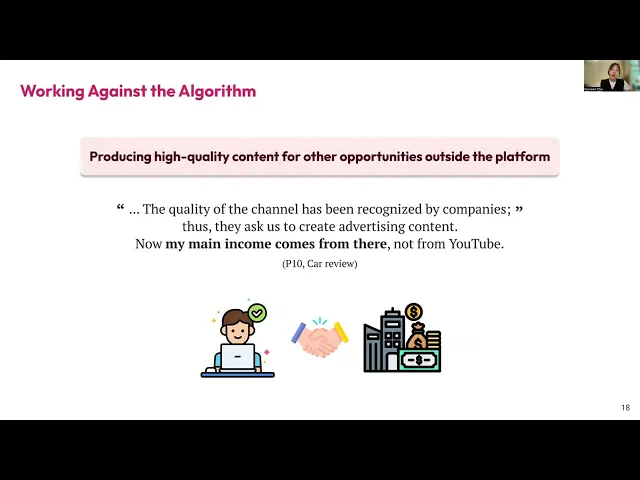
Creator-friendly Algorithms: Behaviors, Challenges, and Design Opportunities in Algorithmic Platf...
How Platform Algorithms Change Creator Behavior
Algorithms play a significant role in shaping how creators approach their work. For instance, a creator might notice that one video racks up 10,000 views while another barely hits 100. Or they may see a post published at 9:00 AM outperform one posted at 3:00 PM. These patterns aren’t just interesting - they guide decisions about what kind of content to make, when to post it, and even how it should look. Creators often tweak their topics, posting schedules, formats, and frequency based on these algorithmic signals.
One major factor driving these shifts is something often called algorithmic invisibility. When platforms limit the reach of content, creators lose what’s essentially the lifeblood of their online success - visibility. For many creators, especially those who depend on these platforms for their income, this loss can lead to immediate financial strain.
Algorithmic Feedback Loops
Engagement metrics are at the heart of content creation online. Platforms track user behavior - likes, shares, comments, impressions, and watch time - and turn it into data that creators can use. This data acts like a feedback loop, helping creators adjust things like video length, posting schedules, and content formats. While this approach can help boost visibility, it often nudges creators toward content that performs well statistically, sometimes at the expense of creating content that feels more genuine or original.
These feedback loops don’t just refine individual strategies - they also lead to broader changes in how creators operate.
Creator "Folk Theories" About Algorithms
Since platform algorithms are typically a black box, creators often rely on their own observations and experiences to figure out how they work. These informal understandings, often called folk theories, help creators make sense of what feels like an unpredictable system. Through trial and error, they develop ideas about the best times to post, the formats platforms seem to favor, or even whether certain keywords might hurt visibility. While these theories aren’t always accurate, they offer creators a sense of control in an otherwise opaque system.
To sharpen these theories, creators often collaborate in online communities, sharing screenshots, performance data, and personal insights. These networks allow them to test strategies collectively and spread ideas. However, they can also lead to the spread of misinformation about how algorithms actually function. This reliance on folk theories highlights a key reality of the creator economy: navigating platform algorithms is just as important as creative talent. These algorithm-driven behaviors don’t just shape creators’ strategies - they also influence how fans experience content.
How Algorithms Affect the Fan Experience
Algorithms don't just shape what creators produce - they also play a huge role in how fans experience content. Let’s dive into how these hidden systems influence fan interaction and connection.
Personalization vs. Connection
Algorithms tailor content to match fan interests, but this personalization comes with its own complexities. Research on TikTok shows that when fans encounter content that aligns with their preferences, they often feel a stronger sense of connection. This phenomenon, called perceived algorithm responsiveness (PAR), gives fans the impression that the algorithm "gets" them. On the flip side, when recommendations miss the mark, fans may experience perceived algorithm insensitivity (PAI), which can leave them feeling disconnected. This disconnect contributes to what some call the "lonely algorithm problem", where a fan’s sense of community is shaped by what the algorithm decides to show, rather than by direct engagement with creators. Interestingly, daily diary studies reveal that fans actively influence these recommendation patterns through their interactions, creating a sort of feedback loop between user behavior and algorithmic output.
Identity-Based Content Curation
Algorithms also have the power to reinforce a fan’s sense of identity by frequently surfacing content that feels affirming or relatable. While this can create a positive experience, it’s not without its downsides.
Platforms often amplify certain types of content while suppressing others, which can sideline marginalized voices in favor of more mainstream creators. This imbalance can weaken the authenticity of creator–fan relationships, as algorithmic priorities take precedence over genuine interactions. As a result, many creators are turning to direct-to-fan platforms to bypass these algorithms altogether. These platforms offer a way to build more meaningful connections, free from the constraints of algorithm-driven discovery.
Problems with Algorithmic Transparency for Creators
Platform algorithms often function as "black boxes", keeping their inner workings hidden from the creators who rely on them for their livelihoods. This lack of clarity presents major challenges for content distribution and creator strategies.
Studies reveal that 78% of creators believe algorithms heavily influence their content creation, yet most creators have little to no understanding of how these systems actually operate. This disconnect forces creators to constantly adjust their strategies based on educated guesses about what the algorithm might favor, without any concrete evidence to guide them.
When platforms fail to disclose how their algorithms rank, promote, or suppress content, creators are left in the dark. They can’t differentiate between organic performance shifts and algorithmic changes, making it difficult to plan for growth or predict their income. This uncertainty doesn’t just disrupt business planning - it also takes an emotional toll, leaving creators feeling powerless and frustrated as they try to navigate these systems.
The 'Lonely Algorithm Problem'
The "Lonely Algorithm Problem" highlights a troubling paradox: algorithms, designed to connect audiences with relevant content, often leave creators feeling isolated and disconnected. Many creators describe the experience as working in a vacuum, unsure whether their content will reach their audience or how the algorithm will respond to it. This lack of predictability can lead to significant mental health challenges. When creators don’t understand the rules that govern their visibility, they struggle to feel confident in their creative decisions.
A key issue is the complete lack of transparency in algorithmic decision-making. Creators often find out their content has been demonetized or suppressed only after it happens, with little to no explanation or opportunity to address the issue. Without clear feedback, creators are left guessing why some content succeeds while similar content fails, resulting in frustration and a loss of confidence.
This uncertainty fosters the development of "folk theories" - informal, often inaccurate beliefs about how algorithms work. Creators cobble these theories together through observation, trial-and-error, and discussions with peers. But when these theories fail, creators waste time and energy on strategies that don’t pay off, further compounding their frustration. These challenges are even more pronounced for creators from marginalized communities, who often face additional layers of difficulty.
Impacts on Marginalized Creators
The lack of algorithmic transparency disproportionately affects marginalized creators. Research shows that creators producing politicized or non-mainstream content often face punitive algorithmic actions, such as reduced visibility, demonetization, or outright suppression. Meanwhile, "mainstream" creators seem to avoid these penalties and benefit from increased visibility on the same platforms.
This creates a two-tiered system where marginalized creators must contend not only with algorithmic opacity but also with algorithmic bias. The absence of clear rules makes it nearly impossible for these creators to determine whether their reduced reach stems from algorithmic decisions, policy violations, or discriminatory practices. Without this understanding, they can’t effectively advocate for themselves or adapt their strategies to improve their visibility.
Studies suggest that algorithms, despite claims of neutrality, often reinforce existing power structures by sidelining voices that challenge the mainstream narrative. For example, platforms frequently demonetize content labeled as "controversial" or "low-quality", but these terms are vaguely defined and inconsistently enforced. This ambiguity leaves marginalized creators at a disadvantage, as they struggle to determine whether they’re being treated fairly or unfairly penalized.
For these creators, the stakes are particularly high. Algorithms directly control their visibility, and by extension, their income potential. This "threat of invisibility" can be devastating, especially when creators rely on these platforms for their livelihood. The broader picture is concerning: 56% of creators report that algorithms significantly impact their ability to earn, yet they lack the transparency needed to make informed decisions about their content strategies.
In response, many creators - especially those from marginalized communities - are turning to alternative platforms that minimize algorithmic gatekeeping. Direct-to-fan platforms, for instance, allow creators to bypass the opaque systems that dominate larger platforms and take greater control over their income streams.
Tools and Strategies for Creator-Fan Engagement
Creators today face challenges like unpredictable algorithms and the risk of becoming invisible on major platforms. To tackle this, many are adopting hybrid strategies that combine the reach of platforms like TikTok, Instagram, and YouTube with direct communication channels. This approach gives creators more control over their income and audience relationships while still benefiting from the visibility these platforms provide.
The goal isn't to choose between algorithm-driven platforms and direct engagement but to use both in a way that complements each other. Creators are learning to leverage the massive reach of mainstream platforms while building deeper, more personal connections through channels they own.
Direct-to-Fan Engagement Methods
For creators looking to reduce their reliance on algorithms, direct-to-fan engagement has become a game-changer. Platforms like Substack, Discord, Patreon, OnlyFans, Memberful, Gumroad, Kajabi, and Nebula allow creators to connect directly with their audience, free from the limitations of algorithmic visibility. These platforms support subscriptions, newsletters, real-time interactions, and exclusive monetization opportunities.
Direct communication removes the uncertainty of algorithms. For instance, even if a creator has 100,000 followers on Instagram, algorithm changes could mean only a small percentage of their audience sees their content. Direct-to-fan platforms eliminate that issue, as fans actively choose to interact with the creator’s work.
Many creators take a phased approach to transition their most engaged fans - those who regularly like, comment, and share - from algorithmic platforms to direct channels. They offer exclusive perks like early access, special pricing, or unique content that can't be found on mainstream platforms. The goal isn't to duplicate their Instagram or TikTok presence but to create a space where fans feel they're getting something extra.
SMS-based tools are also gaining traction, enabling creators to send personal updates directly to their most loyal supporters. These one-on-one interactions build trust and loyalty, leading to stronger engagement and higher conversion rates. Fans respond to this kind of authentic communication - not because an algorithm suggested it, but because they genuinely care about the creator.
Metrics for direct-to-fan platforms shift the focus from impressions and reach to indicators like subscription retention, conversion rates from free to paid tiers, and customer lifetime value. These numbers show whether fans are truly invested and willing to offer financial support. For creators from marginalized communities, who often face biases in algorithmic systems, these platforms provide an alternative to ensure their content reaches their audience.
While direct engagement fosters trust, scaling it can be a significant hurdle.
How AI Tools Like TwinTone Help
Scaling direct engagement is no easy feat. Creators can't be everywhere at once - they can't respond to every message, create endless content, or host live streams in multiple languages simultaneously. This is where AI tools step in to bridge the gap.
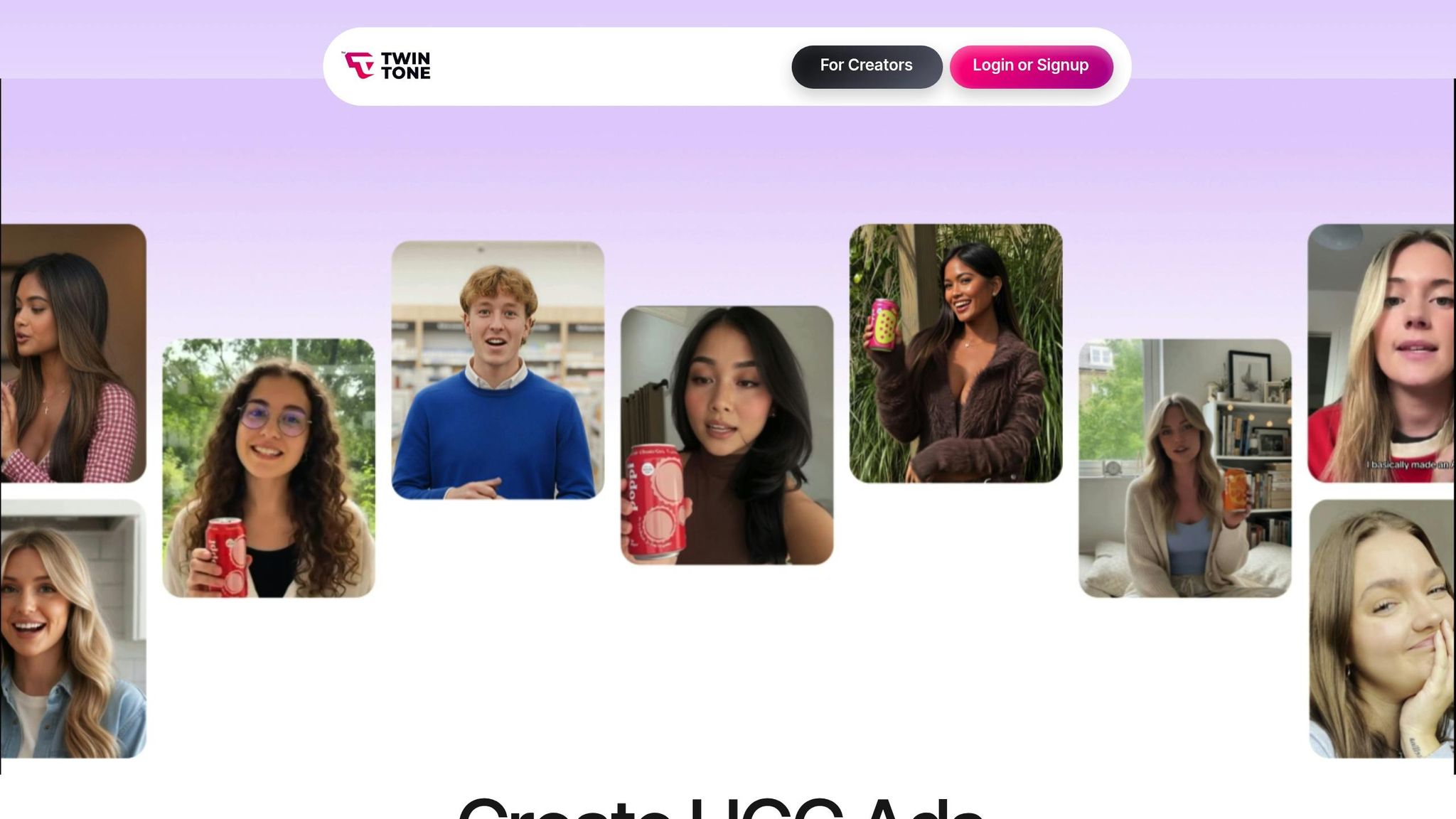
TwinTone is one such tool, offering creators the ability to scale their presence with the help of AI Twins - digital versions of themselves that can create branded content and host live streams automatically. This technology allows creators to maintain their authentic connection with fans while expanding their reach in ways that would be impossible alone.
Here’s how TwinTone works: brands can select creators from its network of over 20,000, upload product images and scripts, and instantly generate user-generated content (UGC) videos. For live shopping, AI Twins can run branded streams 24/7 in more than 40 languages. These AI Twins are modeled after the creators' likeness and voice, ensuring that the connection with fans feels genuine while operating at a scale no human could achieve.
TwinTone solves problems for both creators and brands. Creators gain a new revenue stream without having to produce every piece of content or host every live session themselves. Brands, on the other hand, get access to creator-driven, authentic content at scale - whether it's UGC videos or continuous live product showcases - without the logistical challenges of managing multiple creators.
The results speak for themselves: TwinTone creators have amassed over 1 billion views. The platform offers features like:
On-Demand UGC Creation: Tools like "Product In Hand" transform product images into UGC-style video ads in seconds, while "Dress Your Creator" allows instant style changes to keep content fresh.
AI Live Shopping: AI Twins promote products globally, answer questions in real time, and drive sales 24/7, ensuring continuous engagement across time zones.
Automated Multi-Platform Distribution: Content is seamlessly distributed across TikTok, Instagram, and YouTube, reaching audiences wherever they are.
What sets TwinTone apart is its ability to personalize content using AI, which consistently outperforms traditional ads. This means higher returns for brands and more reliable income for creators.
By incorporating tools like TwinTone, creators can maintain the authenticity of direct engagement while reducing their reliance on unpredictable algorithms. For those dealing with challenges like algorithmic bias or the “invisible algorithm” issue, AI-powered solutions provide a way to stay connected with fans across platforms. With AI Twins engaging audiences around the clock in multiple languages, creators are less vulnerable to the whims of any single platform’s algorithm.
When combined with a hybrid strategy - using mainstream platforms for discovery and direct channels for deeper relationships - these AI tools offer creators a sustainable way to grow and thrive well into the future.
Conclusion: The Future of Creator-Fan Interaction
The dynamics between creators, platforms, and fans are shifting in profound ways. With 78% of creators acknowledging that algorithms heavily shape their content decisions, the era of blind reliance on these systems is fading. Creators are increasingly stepping away from full platform dependency.
As explored in this article, algorithmic personalization can simulate a sense of connection, but it’s no substitute for genuine human interaction. Platforms often rely on algorithms to make users feel seen, but this illusion of responsiveness falls short of the real, two-way engagement fans are seeking. More and more, fans want meaningful interaction - not just content served up by an algorithm. This growing gap between algorithm-driven personalization and authentic connection is driving creators to explore new ways to engage.
Direct-to-fan engagement has evolved from being a nice-to-have to an absolute necessity. Creators are now using algorithmic platforms primarily for discovery, while channeling their efforts into building sustainable, independent revenue streams. Many are adopting a diversified approach: leveraging platforms for reach but focusing on direct channels they control to cultivate deeper connections and long-term support.
This shift is particularly important for marginalized creators, who often face challenges like algorithmic invisibility. By bypassing platform gatekeepers and engaging directly with their audiences, these creators can build communities driven by genuine interest rather than algorithmic bias.
With 56% of creators expressing concerns about over-reliance on algorithms, diversification has become critical. The future belongs to those who understand that while algorithms may help attract followers, building a loyal, engaged community requires more effort - and a more personal touch. Authentic communication is key to cutting through the noise, fostering relationships where fans engage because they care, not because an algorithm nudged them.
AI tools, such as TwinTone, are helping creators scale authentic engagement. For instance, TwinTone’s AI Twins can produce branded content and host live streams in over 40 languages, resulting in over 1 billion views. This shows that when used thoughtfully, AI can enhance both scale and authenticity, complementing a creator’s hybrid strategy.
Looking ahead, creators who combine the reach of algorithmic platforms with the depth of direct engagement will thrive. As platforms face increasing scrutiny to improve transparency and adopt creator-friendly policies, those who build and nurture their own communities will be best positioned for long-term success. The creator economy is maturing, and with it comes the realization that authentic relationships - not just algorithmic visibility - are the true foundation of sustainable growth.
FAQs
How do platform algorithms influence creators' visibility and earnings?
Platform algorithms have a huge influence on how often a creator's content shows up for their audience. These algorithms look at things like engagement, timing, and relevance to decide what gets prioritized. For creators, this can directly affect how visible they are - and ultimately, how much money they make.
TwinTone gives creators a fresh way to grow their audience and boost their earnings. By transforming their likeness into AI Twins, creators can automate branded content and live streams. This means they can connect with fans more frequently while earning income with less effort.
How are creators connecting with their fans beyond platform algorithms?
Creators are finding new ways to connect with their audiences beyond the constraints of traditional platform algorithms. By using tools powered by AI, they can ensure steady interaction and offer content tailored to their fans' preferences.
Take TwinTone, for instance. This tool lets creators turn their likeness into AI Twins capable of generating branded content and even hosting live streams automatically. With this, creators can keep their audience engaged 24/7 while dedicating more time to honing their craft. Fans appreciate the interactive experience, and creators enjoy expanded reach and new monetization possibilities.
Why is transparency in platform algorithms important for creators, and how does its absence affect marginalized creators?
Algorithmic transparency matters deeply for creators because it sheds light on how their content is distributed and what drives its visibility. When this information is unclear, creators often face challenges in tailoring their work to boost engagement, making it harder to connect with their audience in meaningful ways.
This issue becomes even more pressing for marginalized creators. Algorithms can unintentionally reflect or amplify biases, which might result in their content being less visible. This lack of visibility can hinder growth, limit monetization opportunities, and make it harder to foster strong connections with their audience. Transparent algorithms can help create a fairer environment, giving all creators an equal shot at success.