AI Feedback Loops for Social Commerce
Digital Marketing
Created on :
Nov 30, 2025
Nov 30, 2025
How AI-driven feedback loops analyze sentiment, personalize live shopping, and optimize social commerce in real time—benefits, risks, and integration tips.

AI feedback loops are transforming social commerce by enabling brands to analyze and act on customer interactions in real time. Unlike traditional analytics, which rely on delayed insights and manual data interpretation, AI feedback loops use tools like natural language processing and emotion detection to adjust live shopping experiences instantly. This approach improves customer engagement, personalizes interactions, and drives immediate decision-making during live events.
Key Takeaways:
Real-Time Responsiveness: AI feedback loops analyze customer sentiment and behavior as it happens, allowing for instant adjustments during live shopping events.
Enhanced Personalization: These systems tailor recommendations and responses to individual customers, even at scale.
Integration Across Platforms: AI feedback loops connect data from various social media platforms to create a unified customer view.
Challenges: High initial costs, potential data biases, and privacy concerns require careful management.
AI feedback loops offer a faster, more precise way to respond to customer needs, making them an essential tool for modern social commerce.
1. Traditional Social Commerce Analytics
Traditional analytics focus on tracking customer actions but often fail to uncover the deeper emotions and motivations behind those actions.
Real-Time Optimization
Traditional analytics platforms do a decent job of collecting real-time data, tracking metrics like conversion rates, product performance, and customer satisfaction. For instance, Amazon's dynamic pricing system adjusts prices within seconds to reflect market changes, helping retailers respond quickly to shifts in demand or inventory levels. This kind of agility is crucial in fast-paced environments.
But there's a catch - customer feedback often lags behind. Manual reviews can take 24–48 hours, which is far too slow for live shopping events where purchase decisions happen instantly. This delay means businesses miss opportunities to address issues or capitalize on real-time trends during these events.
Another challenge is data accuracy. Manual data entry and disconnected systems often lead to errors, such as duplicate customer profiles across platforms. This can inflate metrics like customer acquisition rates and distort lifetime value calculations. In fact, studies indicate that up to 30% of business data contains errors. Attribution is another headache - if a customer engages with a brand on Instagram, visits the website, receives an email, and finally makes a purchase, traditional systems often credit just one channel, failing to capture the full customer journey.
Emotional Intelligence
When it comes to understanding emotions, traditional analytics fall short. They rely on basic engagement metrics like likes, shares, and comments, which only scratch the surface. For example, a product might receive 500 comments, but traditional systems can’t tell whether those comments reflect enthusiasm, confusion, or frustration.
Sentiment analysis tools in these systems simplify feedback into categories like positive, negative, or neutral. While this approach might seem useful, it misses the nuances. For instance, a "delighted" customer is lumped into the same category as one who is merely "satisfied", even though their likelihood of making repeat purchases or recommending the brand could differ greatly.
Measuring brand affinity is equally limited. Tools like Net Promoter Score surveys or satisfaction ratings provide a snapshot of customer sentiment but fail to track how emotions evolve throughout the customer journey. They also don’t reveal which interactions build stronger connections or how one customer’s sentiment might influence others - key insights that are especially important during live shopping events.
Personalization and Scalability
Personalization in traditional social commerce relies heavily on recommendation engines. Shopify merchants, for example, use tools like Rebuy and LimeSpot to analyze browsing history, cart contents, and buying patterns. These tools help deliver tailored upsell and cross-sell recommendations. Amazon’s recommendation engine takes this a step further, suggesting complementary products based on a customer’s browsing and purchasing behavior.
ASOS has also embraced personalization with its "Style Match" feature, which uses image recognition AI to match uploaded photos with items from its massive catalog of over 85,000 products.
However, scaling personalization is a tough nut to crack. Traditional systems demand significant manual effort to segment audiences and create targeted campaigns. While platforms can suggest personalized products, they often fail to customize the entire customer experience - from the first interaction to post-purchase follow-ups. For example, a customer who left a negative review might still receive the same generic promotional email as a happy customer, missing a chance to address their concerns or rebuild trust.
For small and medium-sized businesses, scaling these efforts is even harder. Larger teams are often required to manage personalization at scale, making it impractical for many. Additionally, traditional systems lack the ability to adjust personalization strategies dynamically based on real-time feedback, leaving recommendations outdated in fast-changing environments.
Integration with Platforms
Traditional analytics tools integrate with platforms like Shopify, Amazon, and ASOS, giving merchants access to feedback from multiple touchpoints such as product pages, shopping carts, checkout processes, and post-purchase emails. For example, post-interaction surveys can capture customer satisfaction immediately after service interactions, while loyalty programs help brands link feedback to customer lifetime value. Research shows that 79% of consumers are more likely to recommend brands when loyalty programs make them feel recognized.
Despite these integrations, challenges remain. Data silos and inconsistent metrics often delay insights and obscure the bigger picture. Each platform generates its own set of reports and dashboards, forcing marketing teams to manually piece together a cohesive view of the customer journey. For instance, a customer’s interaction on Instagram might not connect to their browsing behavior on a website or their responses to email campaigns, leading to fragmented insights.
These gaps highlight the need for more advanced systems, like AI-driven feedback loops, to provide a clearer and more connected understanding of the customer experience in social commerce.
2. AI Feedback Loops (e.g., TwinTone)
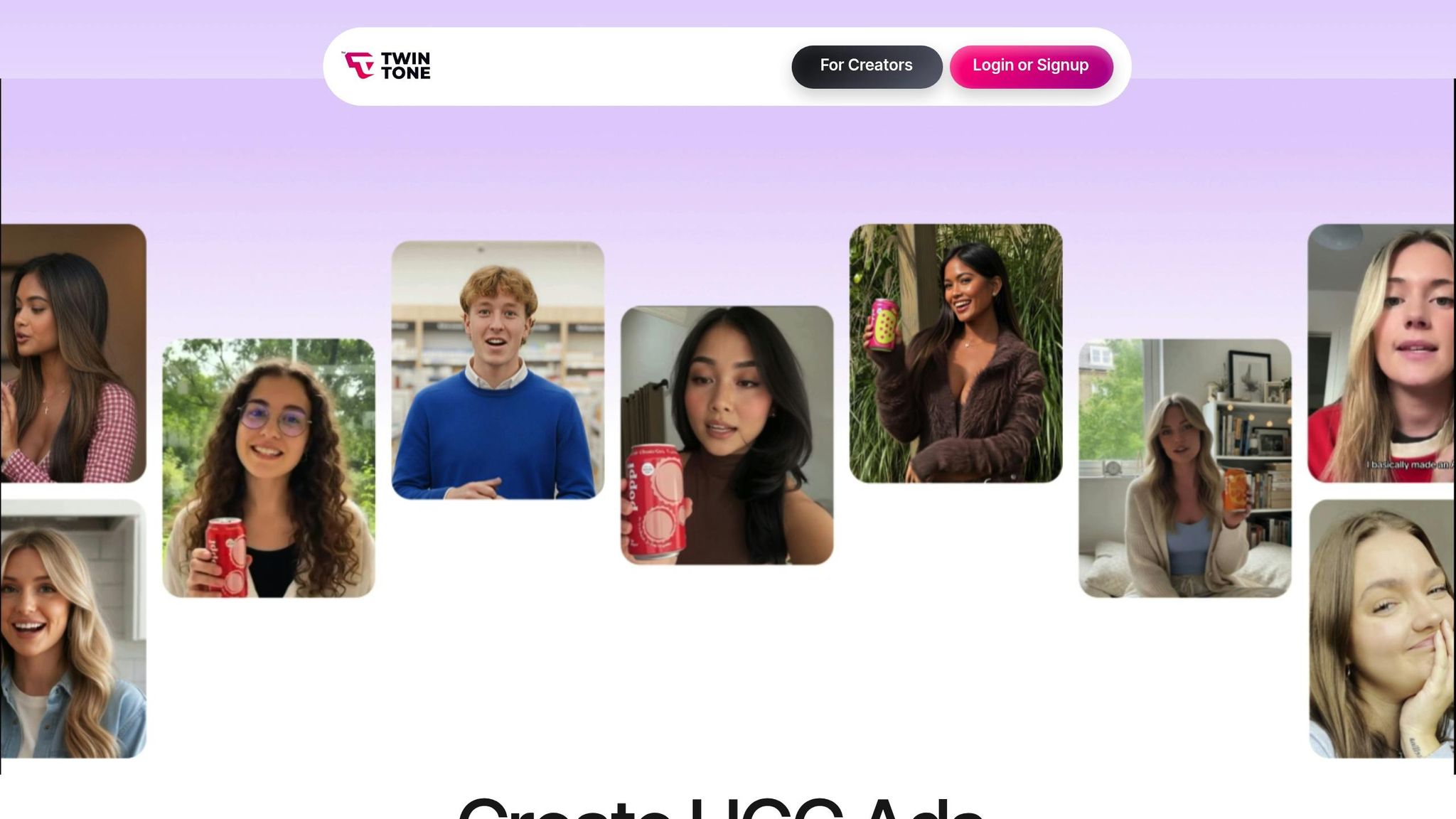
AI feedback loops are changing the game in social commerce by creating systems that constantly learn and improve from every customer interaction. Unlike traditional analytics that focus on past data, these systems adjust content, recommendations, and engagement strategies in real time based on immediate feedback.
Real-Time Optimization
AI feedback loops work through continuous cycles: they collect data from user interactions, identify patterns, and refine content delivery on the spot. Imagine a live shopping stream where the AI monitors metrics like watch time, click-through rates, and purchase conversions. Based on this data, it adjusts the presentation right then and there. Take Amazon’s recommendation system as an example. It suggests items like hiking socks, waterproof sprays, or GPS watches to someone browsing hiking boots, even bundling products with its "Frequently Bought Together" feature to align with individual preferences.
Platforms like TwinTone take this further with AI Twins - digital versions of real creators. These AI Twins host live streams that adapt dynamically. If they notice viewers respond better to certain product features or a conversational tone, the system learns to highlight those elements in future broadcasts. This approach slashes content production time from weeks to just minutes, enabling brands to create on-demand videos and run 24/7 live shopping streams. TwinTone’s rapid adjustments also pave the way for deeper emotional engagement.
Emotional Intelligence
Understanding customer emotions is just as important as tracking their actions. AI feedback loops use tools like natural language processing and emotion detection to interpret customer sentiment. During live shopping events, they analyze comments, reactions, and chats to gauge satisfaction and emotional responses. For example, if viewers express frustration about product availability or excitement over a featured item, the AI adapts by offering alternatives or diving deeper into popular features.
The system can also differentiate between a delighted customer and one who’s merely satisfied, tailoring follow-ups accordingly. If confusion arises, the AI Twin slows down to clarify complex features. If concerns are raised, it shifts into a more empathetic tone. Some platforms even use advanced image recognition to refine customer engagement strategies further.
Personalization and Scalability
AI feedback loops excel at delivering highly personalized experiences, even to massive audiences. By analyzing individual behaviors - like browsing history, purchase patterns, and engagement metrics - these systems craft tailored product recommendations. Traditional e-commerce platforms have long used AI to personalize shopping journeys, but AI Twins take it to the next level. They recognize returning viewers and adjust their approach based on past interactions, offering technical insights to one customer and lifestyle tips to another.
TwinTone’s AI Twins showcase scalability by operating 24/7 in over 40 languages. They engage viewers, answer questions, and customize their appearance for different campaigns - all without delays or added costs. This dynamic personalization not only boosts conversion rates but also strengthens customer loyalty and reduces cart abandonment by addressing individual needs in real time.
Integration with Platforms
AI feedback loops integrate effortlessly with social media platforms, drawing data from likes, comments, shares, reactions, and direct messages to build a comprehensive view of customer behavior. During live streams, they track engagement signals on platforms like Instagram, TikTok, and Facebook, adjusting content strategies to align with each platform’s algorithm. If a specific product segment generates high engagement, the AI prioritizes similar items in future broadcasts, while the platform’s algorithm amplifies the content.
This creates a cycle where better content drives higher engagement, which in turn boosts algorithmic visibility. For instance, Airbnb uses AI feedback loops for tasks like social media-based background checks and intelligent pricing strategies, optimizing both user safety and revenue performance. TwinTone enhances integration through API access, allowing brands to programmatically generate content for various campaigns and SKUs while providing analytics to track conversion, engagement, and ROI. A McKinsey survey predicts that by 2025, 78% of companies will use generative AI in at least one business function, underscoring how AI feedback loops have become essential tools in social commerce.
Advantages and Disadvantages
When deciding between traditional social commerce analytics and AI feedback loops, it’s essential to weigh the strengths and challenges of each. Both approaches aim to enhance customer engagement and boost sales, but they differ significantly in how they operate and the results they deliver. Here's a closer look at what each method brings to the table.
Speed and Responsiveness
Traditional analytics rely on batch processing, which means insights often take days or even weeks to surface. In contrast, AI feedback loops work in real time, analyzing customer sentiment, engagement patterns, and purchasing behaviors as they happen. This allows businesses to make immediate adjustments. For instance, Starbucks introduced its Deep Brew AI system in 2019, enabling it to manage over 100 million weekly customer interactions across 78 markets. This system not only delivered personalized recommendations but also allowed Starbucks to adapt operations on the spot. Similarly, AI systems can detect viewer confusion during live streams and adjust presentations instantly, while traditional methods require post-event analysis to identify issues.
Personalization at Scale
Traditional analytics typically group customers into broad segments, delivering one-size-fits-all messaging. AI feedback loops, however, dive deeper into individual behaviors, preferences, and emotions, offering highly tailored experiences. For example, during live shopping events, AI systems can handle massive volumes of customer interactions, something that would be resource-intensive with a traditional approach. TwinTone’s AI Twins, available in over 40 languages, recognize returning viewers and customize their interactions based on past engagements - something manual systems would struggle to achieve.
Cost Efficiency and Resource Needs
Traditional analytics often require extensive human effort - teams must manually sift through comments, categorize feedback, and generate reports. AI feedback loops automate much of this, reducing ongoing operational costs. However, setting up AI systems involves significant upfront investment in infrastructure, data integration, and training models, which can be a barrier for smaller brands. To address this, TwinTone offers a Starter plan for $110 per month, which includes 10 AI-generated UGC videos with multilingual support, making AI solutions more accessible.
Yet, cost efficiency also depends on the quality of data being used. Poor data can undermine the effectiveness of even the most advanced AI systems.
Data Quality and Accuracy
A key strength of traditional analytics is the human touch. Analysts can interpret nuanced feedback, detect sarcasm, and account for context. On the other hand, AI feedback loops rely entirely on the data they are trained on. If the data is biased or flawed, the insights generated can miss the mark. For instance, an AI system trained on feedback from a narrow demographic may struggle to engage a broader audience effectively. Companies like Atlassian use AI pipelines to guide product development, but achieving reliable results requires strong data integration and continuous quality checks.
Comparative Overview
Aspect | Traditional Analytics | AI Feedback Loops |
|---|---|---|
Processing Speed | Slower, batch-based insights | Real-time analysis |
Personalization | Broad audience segmentation | Individualized experiences at scale |
Resource Requirements | Labor-intensive | High initial cost, lower ongoing effort |
Scalability | Limited by team size | Handles millions of interactions effortlessly |
Data Analysis | Relies on manual interpretation | Automated sentiment and emotion detection |
Transparency | High due to human oversight | Requires ongoing bias monitoring |
Issue Prioritization | Analyst-driven | Automated based on impact |
Implementation Time | Quick to start, slower to optimize | Longer setup, faster optimization once live |
Privacy and Ethical Considerations
Traditional analytics generally collect less detailed data and involve more oversight, making privacy management simpler. AI feedback loops, however, gather data from multiple sources - comments, reactions, purchase history, and browsing behavior. While this provides a fuller picture of customer interactions, it raises privacy concerns and requires robust consent mechanisms. Additionally, AI systems can create "filter bubbles", where customers are repeatedly shown similar products, potentially limiting their ability to discover new items. Addressing these issues requires ongoing refinement of AI systems to ensure ethical and effective use.
Learning Curves and Adaptation
Traditional analytics are familiar to most marketing teams and require minimal technical expertise. AI feedback loops, on the other hand, introduce complexity. Teams need to learn how to train models, interpret AI insights, and make ongoing adjustments. To ease this transition, platforms like TwinTone offer user-friendly dashboards that track metrics like engagement, conversions, and ROI, reducing the need for deep technical knowledge.
Multi-Channel Integration
Traditional analytics often silo data by source, making it hard to get a complete picture of the customer journey. AI feedback loops excel at integrating data from multiple touchpoints - likes, comments, shares, and direct messages - into a single, cohesive profile. During live streams, these systems can monitor engagement across platforms like Instagram, TikTok, and Facebook simultaneously, enabling dynamic adjustments that improve performance across all channels.
The Reality Check
Despite these advancements, 63% of customers feel that companies still struggle to act on their feedback. This highlights a major gap: neither traditional analytics nor AI feedback loops have fully mastered the art of understanding customer sentiment. Often, the issue lies in poor strategy, low-quality data, or a lack of consistent optimization. These challenges reflect the ongoing balancing act between responsiveness and complexity in today’s social commerce landscape.
Conclusion
AI feedback loops are reshaping the way brands approach social commerce and live shopping. By analyzing customer sentiment, emotional cues, and behavioral patterns in real time, these systems enable a level of personalization that traditional analytics simply can't match. When customers feel genuinely heard and understood, engagement naturally increases - leading to higher conversions and stronger loyalty.
Consider this: 78% of companies have adopted generative AI, and 79% of consumers are more likely to recommend brands with effective loyalty programs. These numbers highlight the competitive edge that comes from delivering personalized, responsive experiences without requiring a proportional increase in resources or team size. Real-time adaptability during live events is becoming a cornerstone of this approach.
For brands looking to elevate their live shopping performance, the roadmap is straightforward. Start by consolidating all feedback sources - whether it’s website interactions, social media comments, live stream chats, or purchase data - into a unified system that keeps the context intact across all touchpoints. This integrated foundation is key to creating seamless and meaningful personalization.
Next, focus on real-time engagement during live events. AI systems that track viewer sentiment and questions as they happen allow hosts to fine-tune their presentations on the fly. Whether it’s clarifying a confusing point or doubling down on features that excite viewers, this approach turns live shopping into a two-way, interactive conversation.
Platforms like TwinTone are leading the charge in this space, showcasing how AI can amplify live engagement. TwinTone enables brands to deploy AI-powered "Twins" of creators who host live streams around the clock in over 40 languages. This capability not only ensures real-time, scalable personalization but also continuously refines the experience for future interactions.
AI feedback loops also tackle cart abandonment with precision. By addressing common hurdles - like pricing concerns, unclear product details, or the lack of personalized incentives - these systems can turn potential losses into conversions. The ability to act instantly can make all the difference.
However, success hinges on a few critical factors: setting clear KPIs, leveraging AI insights strategically, and ensuring the data driving these systems is high-quality. While AI enhances decision-making, it’s no substitute for the empathy and nuanced understanding that only humans can provide in complex situations.
Despite the progress, challenges remain in effectively acting on customer feedback. This underscores the importance of continuous optimization, data quality, and strategic implementation to fully unlock the potential of AI feedback loops. By enabling small and mid-sized businesses to deliver experiences comparable to enterprise-level services - and learning from every interaction - AI feedback loops create the foundation for authentic engagement and emotional connection in today’s competitive market.
FAQs
How do AI feedback loops enhance customer engagement during live shopping events?
AI feedback loops are transforming live shopping by making experiences more engaging and tailored to individual viewers. These loops analyze audience behavior in real time, helping brands fine-tune the timing of product showcases and adjust interactions to align with the emotional energy of the audience. The result? Shoppers feel more connected and appreciated throughout the event.
TwinTone pushes this concept even further by introducing AI-powered Twins of real creators to host live streams. These AI Twins can handle customer questions instantly, showcase products seamlessly, and even run live events around the clock. This approach not only keeps audiences engaged but also boosts sales by offering interactions that feel immediate, personal, and relevant.
What privacy concerns come with AI feedback loops in social commerce, and how can they be addressed?
AI feedback loops in social commerce bring up some serious privacy concerns. For instance, personal data might be collected or used without clear consent, and biased algorithms could mishandle sensitive information. If these issues aren't addressed properly, they can erode user trust and reduce engagement.
To address these challenges, brands and platforms need to focus on transparency. This means openly explaining how data is collected, stored, and used. Strong data protection measures are also crucial, along with compliance with privacy laws like GDPR and CCPA. On top of that, offering users control over their data - such as opt-in options for sharing - can build trust and promote ethical AI usage.
How can small businesses manage the high upfront costs of using AI feedback loops in social commerce?
Small businesses can keep upfront costs in check when adopting AI feedback loops by leveraging scalable tools such as TwinTone. This tool allows brands to generate AI-powered content and host live streams with AI Twins, cutting out the need for large in-house teams or costly tech setups.
By automating tasks like content creation and live product presentations, TwinTone simplifies operations. This means businesses can concentrate on increasing engagement and driving sales - all without stretching their budgets too thin.